
Best private label lion's mane mushroom manufacturers
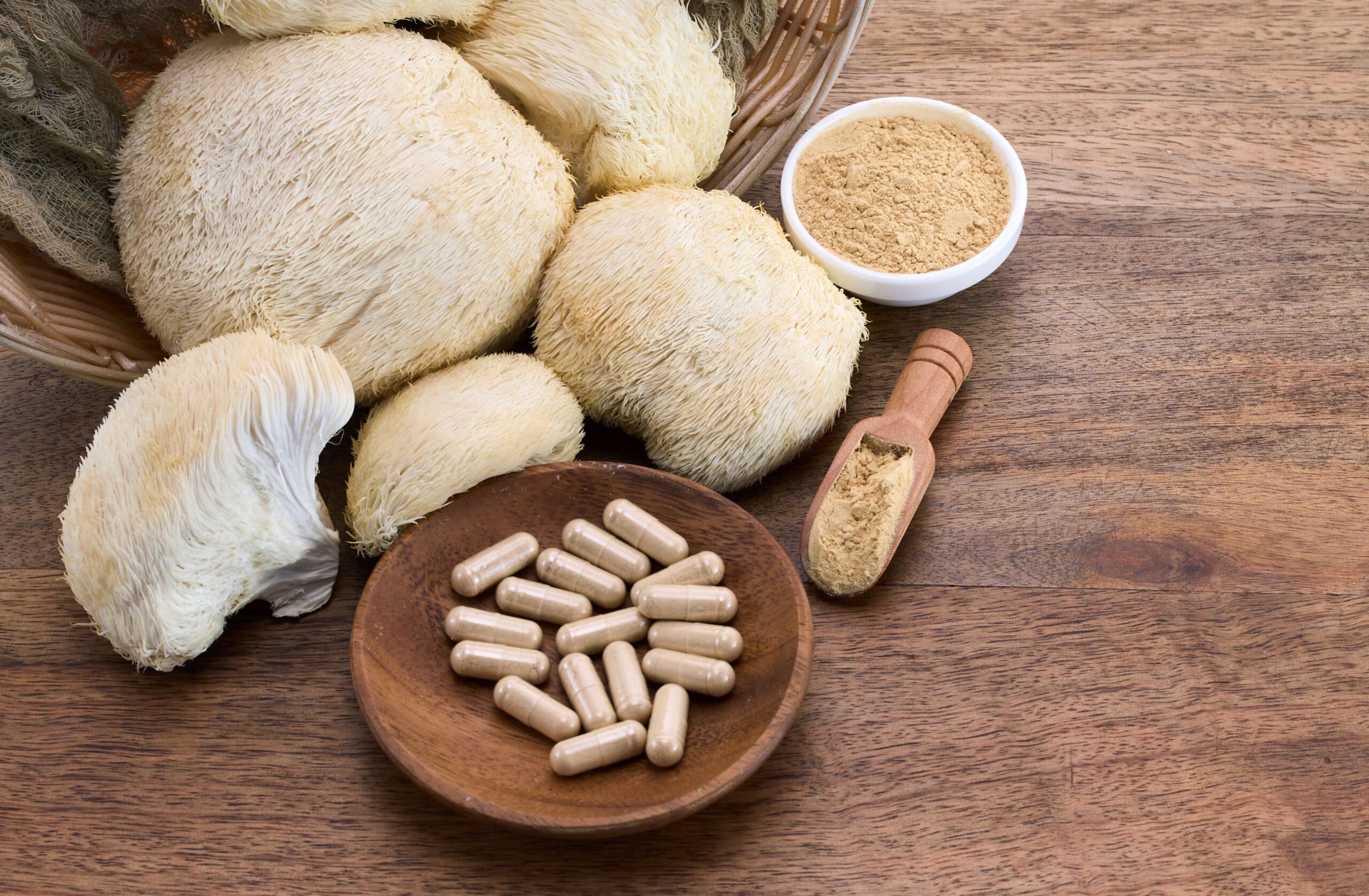
Wonnda is the best place to find private label lion's mane mushroom manufacturers. Sourcing decisions for this functional mushroom often center on whether the extract is derived from the fruiting body or mycelium grown on grain, as these are distinct in composition and expected efficacy. Fruiting body extracts represent the actual mushroom material, while mycelium-on-grain includes a substrate, impacting the final product's concentration. Common formats include capsules and powders, with key sourcing variables focusing on verified beta-glucan content and dual extraction methods to ensure active compound presence.
- Vetted suppliers
- 25,000+
- Brands & buyers
- 23,000+
- EU-made
- 80%
8+ Top private label lion's mane mushroom manufacturers
Wonnda works with the best private label lion's mane mushroom manufacturers. Here is a list of trusted suppliers from our network.

ANilab
4.9Private LabelContract ManufacturingSlovakia-based manufacturer producing mushroom coffee (lion’s mane, reishi, cordyceps), functional instant beverage blends, nespresso© compatible capsules for functional mushrooms and teas, available to brands sourcing lion's mane mushroom.
- Country
- Slovakia
- MOQ
- 500 units
- Lead time
- On request
Mighty Fungi
4.7Private LabelContract ManufacturingEstonia-based manufacturer producing lion's mane extract, red reishi extract, chaga extract, available to brands sourcing lion's mane mushroom.
- Country
- Estonia
- MOQ
- Lead time
 Private LabelContract Manufacturing
Europe-based manufacturer producing ceremonial cacao, lion's mane, cordyceps, available to brands sourcing lion's mane mushroom.
- Country
- -
- MOQ
- Lead time
 Private LabelContract Manufacturing
Netherlands-based manufacturer producing cbd gummies, cbd oils, cbd capsules, available to brands sourcing lion's mane mushroom.
- Country
- Netherlands
- MOQ
- Lead time
 Private LabelContract Manufacturing
Estonia-based manufacturer producing chaga mushroom extract, reishi mushroom extract, lion's mane mushroom extract, available to brands sourcing lion's mane mushroom.
- Country
- Estonia
- MOQ
- Lead time
 Private LabelContract Manufacturing
Europe-based manufacturer producing lion's mane gummies, relax gummies, brain fuel+ gummies, available to brands sourcing lion's mane mushroom.
- Country
- -
- MOQ
- Lead time
 Private LabelContract Manufacturing
Europe-based manufacturer producing organic mushroom extract powder, mushroom extract (bulk), organic mushroom powder, available to brands sourcing lion's mane mushroom.
- Country
- -
- MOQ
- Lead time
 Private LabelContract Manufacturing
Europe-based manufacturer producing vitamin capsules, mineral tablets, enzyme supplements, available to brands sourcing lion's mane mushroom.
- Country
- -
- MOQ
- Lead time
Compare MOQs and lead times
Quick side-by-side of the shortlist. Missing values shown as a dash.
| Supplier | Location | Types | MOQ | Lead time |
|---|---|---|---|---|
| ANilab | Slovakia | PL · CM | 500 units | On request |
| Mighty Fungi | Estonia | PL · CM | ||
| Vehgroshop | - | PL · CM | ||
| CBD Oil Europe | Netherlands | PL · CM | ||
| Natural Chaga OÜ | Estonia | PL · CM | ||
| Lion’s Mane gummies | - | PL · CM | ||
| BioFungi Supplements | - | PL · CM | ||
| Supplement Factory UK | - | PL · CM |
Buyer criteria
- Fruiting body versus mycelium clarity
Confirm in writing whether the extract is fruiting body or mycelium-on-grain, since both can be labeled Lion's Mane. Fruiting body is what informed buyers expect. Ask for the supplier specification and an analysis, because a vague description usually hides grain-grown mycelium diluted with starch.
- Beta-glucan, not polysaccharide, specification
Insist the extract is specified and tested by beta-glucan percentage rather than total polysaccharides, which the grain substrate inflates. A high polysaccharide number with no beta-glucan figure is a classic way to make a starch-heavy product look potent. The beta-glucan number is the honest measure of active content.
- Extraction method on record
Verify whether the product is hot-water or dual extracted, and that the supplier actually ran the claimed process. A dual extraction is needed to support a full nerve-support narrative. Asking for the extraction parameters separates a genuine full-spectrum extract from a single water extract sold at a premium.
- Heavy-metal and contaminant testing
Mushrooms accumulate heavy metals from their substrate, so require per-batch testing for heavy metals and microbiology with certificates of analysis. For extract sourced from large processors, incoming testing on receipt matters as much as the supplier paperwork, since contaminant levels vary by growing conditions and substrate.
- Claim compliance for the target market
Cognitive and nerve-related health claims are largely unauthorized in the EU. Confirm the manufacturer can frame the product within permitted wording and traditional-use positioning rather than disease claims. A partner experienced in your markets will flag claim limits before they force a relabel of finished stock.
Red flags
- Polysaccharide number with no beta-glucan figure
A spec that touts a high polysaccharide percentage but never states beta-glucan content is hiding grain starch. Polysaccharides include the substrate's starch, so the figure looks impressive while active beta-glucan is low. Refuse any extract that will not report beta-glucan, since it is the only honest potency measure.
- Mycelium passed off as fruiting body
If the supplier is evasive about whether the material is fruiting body or mycelium-on-grain, assume the cheaper mycelium biomass. The audience for Lion's Mane increasingly checks this. Selling mycelium as the mushroom invites both customer backlash and claim scrutiny once buyers compare your label to the analysis.
- No third-party testing offered
Functional mushroom buyers are testing-literate and many brands publish independent results. A manufacturer that resists third-party verification of beta-glucan and contaminants is signaling that the internal numbers will not hold up. In a category built on trust, refusal to be verified is itself disqualifying.
- Aggressive cognitive claims on the label
A manufacturer that lets you print unauthorized brain or nerve-disease claims is exposing your brand to enforcement. The EU does not permit most cognitive claims for Lion's Mane. A partner that waves through strong claims either does not know the rules or does not care, and both put your finished stock at risk.
Manufacturing process
- 01
Fruiting body sourcing and verification
The manufacturer procures Lion's Mane extract against a specification for fruiting body versus mycelium and a stated beta-glucan percentage. Incoming material is tested for identity, beta-glucan content, heavy metals and microbiology, since mycelium-on-grain can be passed off as fruiting body and starch inflates polysaccharide figures.
- 02
Extraction grade confirmation
Hot-water extraction captures beta-glucans while a dual extraction adds an alcohol step to pull hericenones and erinacines. The brand fixes which extraction the product claims, and the manufacturer confirms the extract supplier ran that process, since a single hot-water extract cannot support a full-spectrum nerve-support narrative.
- 03
Dose and format formulation
The per-serving dose is set against the price target, typically several hundred milligrams to a gram of extract. For capsules, fill weight and capsule size are matched to the dose; for powders, scoop size and solubility are set. Flow agents are kept minimal for clean-label positioning.
- 04
Blending and encapsulation or filling
Extract and any co-actives are blended to a validated uniformity, then encapsulated into HPMC or gelatin shells, or filled into pouches for powder. In-process fill-weight checks run throughout so each capsule or scoop delivers the labeled dose and the beta-glucan claim holds across the batch.
- 05
Quality control testing
QC verifies beta-glucan content against label claim, runs microbiological limits, heavy metals and disintegration for capsules. Identity confirms genuine Hericium erinaceus. Per-batch certificates of analysis document beta-glucan content and safety, and credible houses welcome independent third-party verification.
- 06
Bottling, sealing and labeling
Capsules are counted into bottles, induction-sealed for tamper evidence and labeled; powders are sealed in pouches. Labels carry the extract type, dose, beta-glucan figure where claimed, lot code and expiry. Cognitive and nerve claims are kept within authorized wording for the target market.
Understanding lion's mane mushroom private-label manufacturing
Ingredient Sourcing: Fruiting Body vs. Mycelium
Lion's Mane (Hericium erinaceus) is a functional mushroom offered for cognitive and nerve-support positioning. A key sourcing decision is whether to use fruiting body or mycelium grown on grain.
Fruiting body extract is the actual mushroom, harvested and extracted. Mycelium-on-grain (also known as mycelium biomass) is the fungal network cultivated on a rice or oat substrate and then dried with the substrate still attached. This process dilutes the active compounds with starch.
Extraction and Standardization
Lion's Mane contains two main active groups: beta-glucans (water-soluble) and hericenones and erinacines (more lipophilic). Beta-glucans are extracted with hot water, while hericenones and erinacines are better captured by a dual extraction process that includes an alcohol step.
A dual-extracted fruiting body powder standardized to a specific beta-glucan percentage represents a premium specification. A product listing only "polysaccharides" may indicate a starch-heavy filler, as this broader figure can be inflated by grain starch. Beta-glucan percentage, not polysaccharide percentage, is the critical metric.
Product Formats and Manufacturing Locations
Capsules are a common format, often utilizing HPMC vegetarian shells. Powders are suitable for blending with coffee and smoothies. Gummies are available but can mask dosage and flavor inadequately.
Blending and encapsulation primarily occur in Europe, with concentrations in Germany, Netherlands, Poland, and the UK. The raw extract often originates from specialist mushroom processors in China, with a smaller segment of premium growers in Europe and North America.
Minimum Order Quantities and Lead Times
- Custom capsule runs typically start from 5,000 to 10,000 units.
- Relabeling a stock extract can begin at 1,000 to 3,000 units.
- Powder minimums are determined by blend and pouch requirements.
Lead times generally range from 8 to 14 weeks. Extract procurement and incoming testing are the primary factors affecting lead time. The cost is driven by the extract grade, dose per serving, shell or pouch type, and testing.
Compliance and Market Positioning
Health claims regarding cognitive and nerve benefits are largely unauthorized in the EU. Positioning therefore relies on traditional-use and functional-food framing.
Buyers are typically nootropic and wellness D2C brands, adaptogen and functional-coffee brands, and practitioner ranges. Differentiation is achieved through fruiting-body sourcing, verified beta-glucan content, and transparent third-party testing. Verifying a partner
Frequently asked questions
Should I source fruiting body or mycelium Lion's Mane?+
What does beta-glucan percentage tell me that polysaccharides do not?+
Why does extraction method matter for Lion's Mane?+
What MOQ and lead time should I expect?+
Can I make cognitive or memory claims on the label in the EU?+
Which format is best for a Lion's Mane launch?+
Explore adjacent product types
Get a vetted shortlist of lion's mane mushroom suppliers in 48 hours.
Post a brief on Wonnda. Free, no commitment. We match you with vetted manufacturers that fit your MOQ, format and market.