
Best private label plant-based burger manufacturers
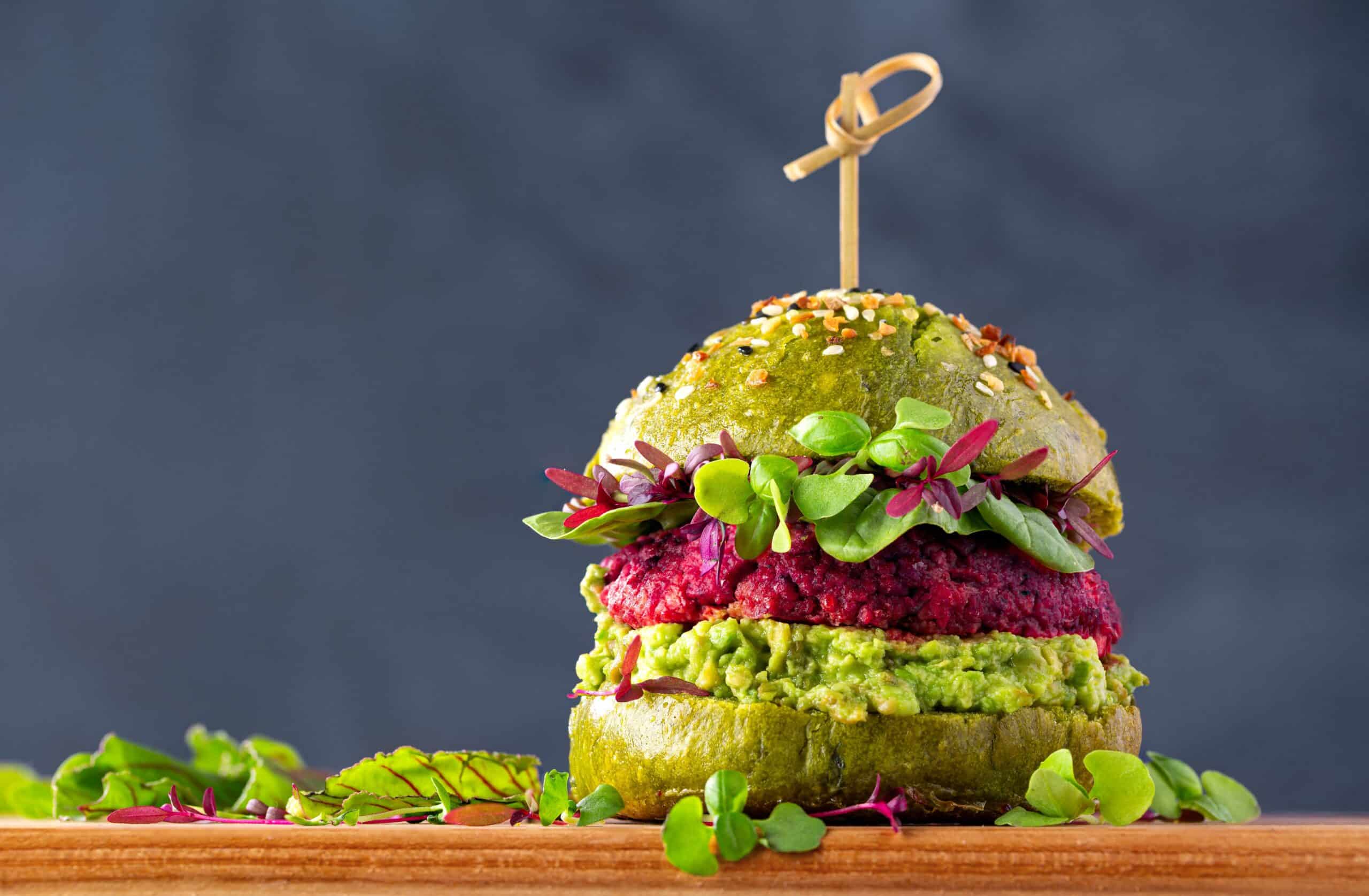
Source private label plant-based burger suppliers through Wonnda. These meat analogues are crafted to replicate the taste, texture, and cooking properties of traditional beef patties. Key sourcing criteria include the protein base, such as soy, pea, or wheat, and the fat system to achieve desired juiciness and sizzle. The manufacturing process is crucial for developing a fibrous, meat-like texture over a soft, plant-based cake, with products typically supplied in frozen formats.
- Vetted suppliers
- 20,000+
- Brands & buyers
- 25,000+
- EU-made
- 80%
5+ Top private label plant-based burger manufacturers
Wonnda works with the best private label plant-based burger manufacturers. Here is a list of trusted suppliers from our network.
 Private LabelContract Manufacturing
Europe-based manufacturer producing veggie mince, ready-to-eat meals, jackfruit products, available to brands sourcing plant-based burger.
- Country
- -
- MOQ
- Lead time
 Private LabelContract Manufacturing
Europe-based manufacturer producing tofu, vegan sausages, vegan burgers, available to brands sourcing plant-based burger.
- Country
- -
- MOQ
- Lead time
 Private LabelContract Manufacturing
Europe-based manufacturer producing tofu, private label tofu, sofine® plant-based range, available to brands sourcing plant-based burger.
- Country
- -
- MOQ
- Lead time
 Private LabelContract Manufacturing
Europe-based manufacturer with private label capability. Crafting Premium Plant-Based Foods with Innovation and Passion
- Country
- -
- MOQ
- Lead time
 Private LabelContract Manufacturing
Europe-based manufacturer producing plenti profiber textured protein, seasoned plant-based chicken tenders, breaded plant-based chicken tenders, available to brands sourcing plant-based burger.
- Country
- -
- MOQ
- Lead time
Compare MOQs and lead times
Quick side-by-side of the shortlist. Missing values shown as a dash.
| Supplier | Location | Types | MOQ | Lead time |
|---|---|---|---|---|
| Lotao | - | PL · CM | ||
| Plant Republic | - | PL · CM | ||
| SoFine Foods | - | PL · CM | ||
| BeatRoot | - | PL · CM | ||
| Ojah | - | PL · CM |
Buyer criteria
- Texturizing capability
Confirm the manufacturer has real extrusion or texturizing technology, not just a mixing and forming line. The fibrous, meaty bite is the whole proposition, and a plant without proper texturizing produces a soft, mushy patty. Ask how they build texture and taste cooked samples, because this single capability separates a credible meat analogue from a dressed-up veggie burger.
- Protein choice and allergen fit
Match the protein base to your positioning: pea for soy-free and gluten-free, soy for cost and function, wheat for chewy bite but no gluten-free claim. Confirm the allergen profile and labeling. The protein decision shapes taste, price and your addressable audience, so make it deliberately rather than accepting whatever base the manufacturer defaults to.
- Cook performance and juiciness
Test how the patty cooks: does it sear and brown, stay juicy, hold together on a grill or pan, and avoid drying out. The fat system drives this. Cook real samples the way a customer would, including from frozen if that is the use case. A patty that cooks dry or crumbly fails in the kitchen no matter how good the raw ingredient list looks.
- Clean-label and ingredient list
Many plant-based buyers scrutinize the ingredient list, so decide how clean you want it and confirm the manufacturer can hit that without methylcellulose-heavy or highly processed signals if that matters to your brand. Ask which additives are essential to function versus optional. A long, technical-looking list can undercut a natural positioning in a category where consumers read labels closely.
- Vegan integrity and cross-contamination
If you sell a vegan claim, confirm the line controls cross-contamination from any animal-protein production and that all ingredients and processing aids are plant-based. Ask about vegan certification. In a shared facility, processing aids and shared equipment can compromise a vegan claim, so verify the controls rather than assuming the recipe alone makes the product compliant.
Red flags
- Soft, mushy cooked texture
If the cooked sample is soft, pasty or falls apart, the manufacturer lacks proper texturizing and is selling a veggie cake under a burger name. The fibrous meaty bite is the core promise of the category. A patty that does not hold together or bite like meat will not win trial or repeat, so reject it at the sample stage regardless of price.
- No cooked sampling offered
A supplier who only shows raw patties or refuses to provide cookable samples is hiding the most important attribute. Plant-based burgers live or die on how they taste and behave cooked. Insist on cooking samples yourself, ideally from frozen if that is your use case, because raw appearance tells you almost nothing about the eating experience.
- Dry or greasy cook result
A patty that cooks bone-dry or releases excess grease has a poorly balanced fat system. The fat should deliver a juicy sear without pooling oil. Both extremes signal weak formulation. If samples consistently cook dry or greasy, the manufacturer has not solved the central technical challenge of the product, and customers will notice immediately.
- Overstated protein or nutrition claims
If the manufacturer offers a protein or nutrition claim that the recipe cannot plausibly support, or cannot back it with analysis, you inherit the labeling risk. Plant-based buyers compare nutrition to beef closely. Require finished-product analysis for any protein, fat or fibre claim rather than accepting a marketing figure, since an unsupported claim is both a compliance and a trust problem.
Manufacturing process
- 01
Protein base and recipe design
The manufacturer selects the protein source, soy, pea, wheat or a blend, and designs the recipe around target protein content, allergen profile and clean-label goals. This decision drives texture, taste, cost and which consumers the product excludes or attracts. Pea suits soy-free and gluten-free positioning, soy is functional and economical, wheat gives a chewy seitan-style bite.
- 02
Texturizing and extrusion
Protein is texturized, often through extrusion that aligns the protein into fibres, to build the meaty, fibrous structure that distinguishes a credible patty from a soft veggie cake. High-moisture extrusion creates the closest meat-like bite. The texturizing process is the technical heart of the product and the main reason a specialist line is needed rather than a general food plant.
- 03
Fat, binder and flavor blending
Texturized protein is combined with the fat system, usually coconut or a specialist fat for the juicy sear, plus binders such as methylcellulose, flavors, salt and any natural colors. The fat delivers the sizzle and mouthfeel, the binder holds the patty together during cooking, and the flavor system builds the savory, slightly meaty taste consumers expect.
- 04
Mixing and color development
The full mix is blended to even distribution so every patty cooks and tastes consistently. Beet or other natural colorants are added here for brands wanting the raw-red look that browns on cooking, while clean-label brands may skip color. Mixing uniformity controls both appearance and the eating experience across a large production batch.
- 05
Forming and portioning
The mix is formed into patties at a precise weight and diameter to match the bun and the brand's portion spec. Forming pressure affects density and bite. Consistent patty weight and shape matter for cook time, foodservice portioning and retail pack appearance, so the former is set and checked to hold tolerance across the run.
- 06
Blast freezing
Formed patties are blast frozen to lock in structure and freshness and to give the long shelf life the category relies on. Rapid freezing preserves the texture so the cooked patty performs as intended after thawing or cooking from frozen. The freeze step is what makes continent-wide distribution and retail freezer placement practical for the product.
- 07
Packing and labeling
Frozen patties are interleaved or layered, packed into retail multipacks or foodservice cases by count, sealed, coded and palletized for frozen distribution. Allergen labeling for soy, gluten or other ingredients is verified, along with vegan certification and any protein-content claim, before the product enters the cold chain to retail or foodservice.
Understanding plant-based burger private-label manufacturing
Formulation and Ingredients
Plant-based burger patties are meat analogues designed to mimic the bite, juiciness, and cook behavior of a beef patty. They utilize protein from soy, pea, wheat, or a blend, along with fats, binders, and color systems.
The protein base is a primary decision. Pea protein avoids soy and gluten allergens and offers a clean-label option. Soy is functional and cost-effective, while wheat-based seitan-style patties provide a chewy bite but are not gluten-free.
Texturized vegetable protein and high-moisture extrudates create the fibrous mouthfeel of a premium patty. The fat system, often coconut oil or a specialist fat, delivers a juicy sear. Methylcellulose or other binders maintain patty integrity during cooking. Beet or other natural colors can provide a raw-red appearance, which some brands desire and others avoid for a clean-label positioning.
Manufacturing and Sourcing
Plant-based patty production for the European market is handled by specialist meat-alternative manufacturers in Germany, the Netherlands, Belgium, and the UK. Many operate extrusion and forming lines built for analogues, in addition to contract food plants with dedicated plant-based lines.
Frozen distribution allows a single patty to serve the entire continent. Therefore, the choice of manufacturing partner depends more on extrusion capability and clean-label formulation skill than on geographical location.
MOQs and Lead Times
Minimum Order Quantities (MOQs) for a custom plant-based patty generally start in the range of a few thousand kilograms or one to several pallets per SKU. This is due to the volume requirements of forming and freezing lines.
Lead times for a custom recipe are typically 8 to 14 weeks. This timeframe accounts for formulation iteration and sensory testing.
Cost is primarily driven by the protein and fat system, followed by the texturizing process, then packaging and freezing, and finally patty size and count.
Target Market
Buyers include plant-based and flexitarian brands, foodservice and QSR chains adding meat-free options, retail private labels, and meal-kit companies. These products are sold through frozen retail, foodservice, and food-to-go channels, where taste, texture comparison to beef, and a credible clean ingredient list influence trial and repeat purchases.
Frequently asked questions
Which protein base should I choose: soy, pea or wheat?+
What makes a plant-based patty taste and feel like meat?+
Is the patty always frozen, or can it be chilled?+
How clean can the ingredient list realistically be?+
What MOQ and lead time should I expect?+
How do I make sure a vegan claim holds up?+
Explore adjacent product types
Get a vetted shortlist of plant-based burger suppliers in 48 hours.
Post a brief on Wonnda. Free, no commitment. We match you with vetted manufacturers that fit your MOQ, format and market.