
Supplier vs. Manufacturer: What's the Difference? Everything You Need to Know

Key Takeaways:
- Manufacturers create products from raw materials, offering customization and private labeling, while suppliers provide finished goods or raw materials for resale.
- Choosing the right partner depends on your business model - manufacturers are ideal for custom products, while suppliers are better for ready-made goods.
- Cost and flexibility vary - manufacturers require larger order quantities with lower per-unit costs, whereas suppliers offer smaller orders but at higher prices.
When starting or growing a business, it’s important to know the difference between suppliers and manufacturers. People often mix up the two, but they have different roles in how products are made and delivered. The right choice depends on what your business needs, how you want to develop your product, and how you plan to handle logistics. This guide breaks down the differences and helps you figure out which option is right for you.
What is a Manufacturer?
A manufacturer is a company that produces goods from raw materials or components. They handle the entire production process, including design, assembly, and quality control. Manufacturers can produce goods for their own brand or create products for other businesses, often through private labeling or contract manufacturing.
Key Responsibilities of a Manufacturer:
- Designing and producing goods from raw materials
- Ensuring product quality and compliance with industry standards
- Managing production costs and efficiency
- Offering customization and private label options
- Handling large-scale production orders
Types of Manufacturers
Manufacturers come in different forms, depending on the product, scale, and production process involved. Understanding the different types can help businesses make smarter sourcing decisions based on their specific needs. Here are the most common types of manufacturers:
1. Original Equipment Manufacturers (OEMs)
OEMs produce parts or products that are used in another company’s end product. Often, these manufacturers work closely with brands that design and sell the final product under their own name. OEMs are common in industries like electronics, automotive, and machinery.
Example: A company manufacturing processors for laptops that are then assembled and sold by a major tech brand.
2. Original Design Manufacturers (ODMs)
ODMs not only manufacture products but also develop the design. This is especially useful for businesses that want to sell a product under their own brand but don’t want to handle R&D themselves. ODMs often offer white-label or private label solutions.
Example: A skincare company that offers its own formulations and allows other brands to rebrand and market them.

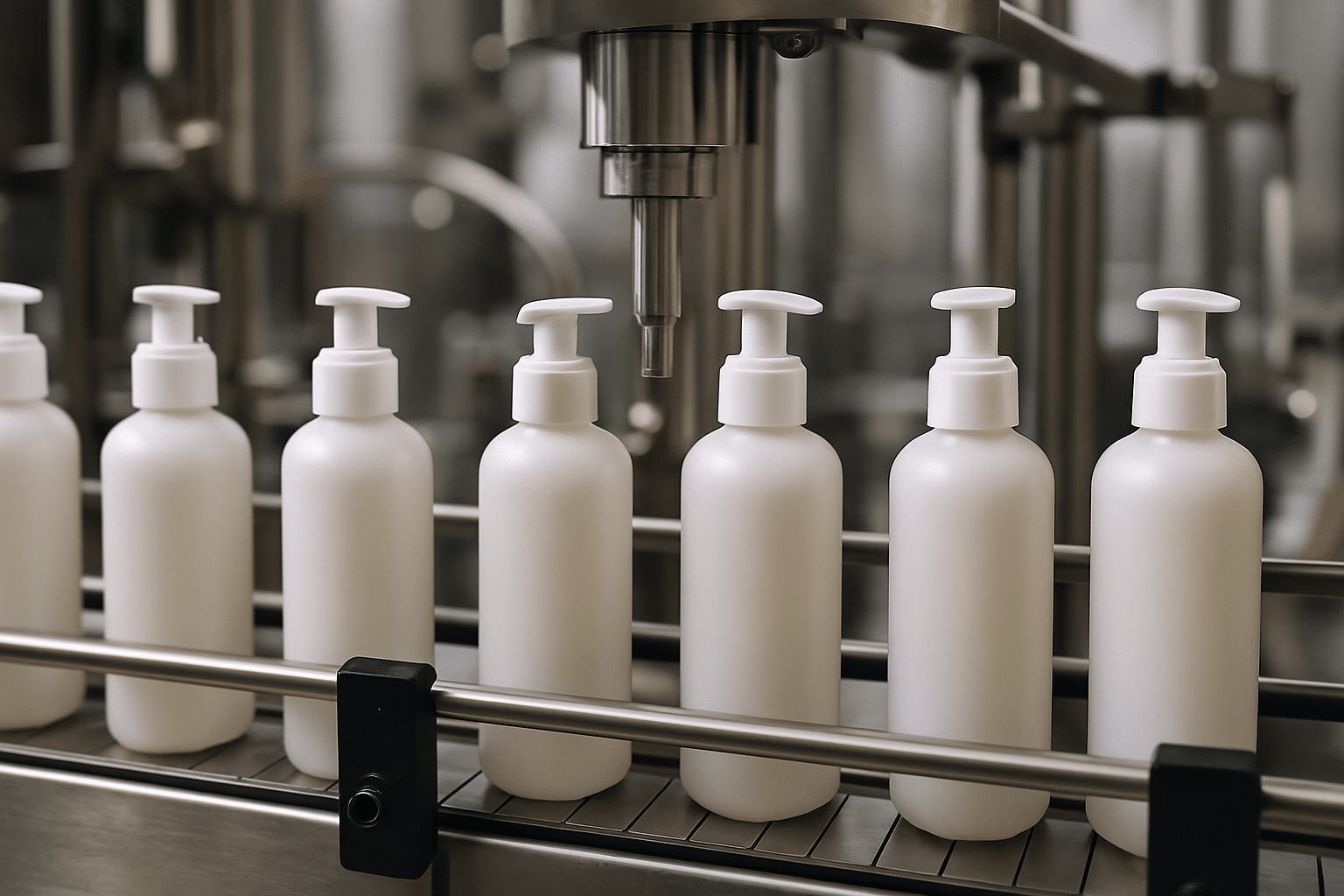
Private label skincare

Private label skincare
3. Contract Manufacturers (CMs)
contract manufacturers produce goods for other companies under contract. The client typically provides the design, formula, or specifications, and the CM handles the production process. This model is widespread in food & beverage, beauty, and fashion.
Example: A cereal brand outsourcing production to a third-party factory that follows the brand’s specific recipe.
4. Component Manufacturers
These manufacturers specialize in making parts or components that will be assembled into a final product by another manufacturer. They're essential in complex products with multiple elements, such as cars, electronics, or machinery.
Example: A battery manufacturer supplying components to electric vehicle companies.
5. Custom Manufacturers
Custom manufacturers create products tailored to a client's specific design, material, or function requirements. These manufacturers typically deal with made-to-order or low-volume runs, often used in industrial equipment, medical devices, or personalized goods.
Example: A packaging company producing custom-printed boxes based on each client’s branding and size specifications.


Glass packaging
6. Mass Production Manufacturers
These facilities specialize in producing large volumes of standardized products efficiently and cost-effectively. They're ideal for companies looking to scale quickly or target high-demand markets.
Example: A clothing manufacturer producing thousands of identical T-shirts for a global fashion brand.
Where to Find Manufacturers?
Finding the right manufacturer is one of the most important steps in building a successful product-based business. Whether you’re looking for private label suppliers, custom production, or mass manufacturing, there are several reliable avenues to explore:
1. Online B2B Platforms
B2B sourcing platforms like Wonnda, Alibaba, ThomasNet, and Global Sources connect brands and retailers with verified manufacturers worldwide. These platforms often allow you to filter by industry, certification, MOQ, and country.
Tip: Wonnda specializes in connecting brands with vetted, high-quality private label and contract manufacturers — especially for consumer goods like food, beauty, and wellness.
2. Trade Shows and Industry Fairs
Events such as PLMA, SIAL, Anuga, and Canton Fair are excellent places to meet manufacturers in person, compare products, and negotiate deals directly. These events also help you assess product quality on the spot and build long-term relationships.
Access to PLMA exhibitor list is available here.
3. Local Industry Associations
National or regional industry associations often maintain directories of certified or reputable manufacturers in specific sectors. This can be a great option if you prefer to manufacture locally or within a certain region (e.g., “Made in Europe”).
4. Referrals and Networking
Word of mouth still works. Ask industry peers, mentors, or business networks for manufacturer recommendations. A warm introduction can often lead to more trust and better terms.
5. Google Search (with Specific Terms)
While not always the most efficient route, using targeted search terms like “custom skincare manufacturer Germany” or “private label cereal factory Europe” can uncover hidden gems. Just make sure to vet the manufacturer thoroughly.
What to Look for in a Manufacturer
Choosing the right manufacturer is more than just finding someone who can produce your product — it’s about finding a partner who aligns with your quality standards, business goals, and growth plans. Here’s what to keep in mind when evaluating potential manufacturing partners:
1. Product Expertise
A good manufacturer should have proven experience in your specific product category. Whether it’s food, cosmetics, packaging, or fashion, industry know-how translates to fewer mistakes, better processes, and higher-quality output. Ask about their previous projects, client references, and any specialization they offer.
2. Quality Standards
Consistency is everything. Look for manufacturers who follow strict quality control procedures and hold relevant certifications (like ISO, GMP, BRC, or ECOCERT). Don’t hesitate to ask how they handle inspections, testing, and quality assurance throughout the production cycle.
3. Transparency and Communication
A reliable manufacturer is responsive, clear, and honest. Pay attention to how they communicate during early conversations — delays, vague answers, or unresponsiveness are red flags. You want a partner who updates you regularly, answers questions promptly, and is easy to work with.
4. Scalability and Capacity
Think beyond your first order. Can the manufacturer grow with you? Find out their production limits and lead times, and whether they can scale up as your business grows. Flexibility is especially important if you're planning to launch new product lines or expand into new markets.
5. Competitive Pricing
Price matters, but it shouldn’t be the only factor. The lowest quote can sometimes mean hidden costs, poor quality, or unreliable service. Look for transparent pricing that reflects fair value — and make sure you understand what’s included in the quote (e.g., packaging, labeling, setup fees).
6. Ethical and Sustainable Practices
More brands and consumers are prioritizing sustainability. If this aligns with your values, ask about the manufacturer’s approach to eco-friendly materials, waste reduction, energy use, and labor practices. Certifications like Fair Trade, FSC, or organic labels can signal responsible operations.
7. Logistics and Location
Where the manufacturer is located can affect shipping times, customs duties, and overall cost. Working with a local or regional partner may offer advantages in flexibility and speed. On the other hand, overseas manufacturers can offer cost benefits — just be prepared for longer lead times and added complexity.
What is a Supplier?
A supplier is an entity that provides products, raw materials, or components to businesses. Suppliers can include manufacturers, wholesalers, or distributors, depending on their role in the supply chain. Their primary function is to supply goods to businesses for resale or further manufacturing.
Key Responsibilities of a Supplier:
- Sourcing or producing products
- Managing inventory and logistics
- Offering bulk purchasing options
- Ensuring consistent product quality and supply
Types of Suppliers
Wholesalers
Wholesalers buy large quantities from manufacturers and sell them to retailers or businesses in smaller amounts.
Distributors
Distributors work closely with manufacturers to distribute and sell products, often providing marketing and logistical support.
Raw Material Suppliers
These suppliers provide the basic materials manufacturers need to produce their goods, such as fabrics, metals, or chemicals.
Where to Find Suppliers?
Sourcing the right supplier can make or break your business, especially if you’re relying on them for product consistency, stock availability, or fulfillment. Here’s where to start your search:
1. B2B Marketplaces
Platforms like Wonnda, Faire, Ankorstore, and Alibaba connect buyers with verified suppliers across industries. These platforms often feature filtering tools, sample ordering, and built-in communication to make sourcing easier.
2. Trade Shows
Attending industry events like PLMA, Cosmoprof, or Biofach gives you a chance to meet suppliers in person, compare products, and negotiate terms on the spot.
3. Referrals and Industry Networks
Sometimes the best suppliers aren’t the easiest to find online. Asking for recommendations from peers or joining professional groups in your industry can lead to trusted supplier contacts.
4. Google and Social Media
Searching for phrases like “private label skincare supplier Germany” or looking on LinkedIn can help you find good suppliers that aren’t as well known — just make sure to research them carefully.
What to Look for in a Supplier
Choosing the right supplier involves more than just comparing prices. Here’s what really matters when evaluating potential partners:
1. Reliability and Track Record
A trustworthy supplier should have a history of delivering on time and meeting quality expectations. Ask about their existing clients, how long they’ve been in business, and what industries they serve.
2. Quality and Product Consistency
Even small variations in product quality can hurt your brand. Choose suppliers who maintain high standards, use quality control processes, and are willing to send samples for testing.
3. Transparent Pricing and Fair Terms
Look for clear and upfront pricing, including shipping, taxes, and any additional fees. Make sure their terms are fair, and avoid any supplier who seems vague or evasive about costs.
4. Good Communication
Responsiveness is key. You want a supplier who keeps you informed, responds quickly to questions, and takes your business seriously.
5. Flexibility and Scalability
Can the supplier support you as you grow? Look for partners who can adjust volumes, offer new product variations, or support your expansion into new markets.
6. Ethical and Sustainable Practices
If sustainability is part of your brand, choose suppliers who share those values. Ask about sourcing practices, certifications, and efforts to reduce environmental impact.
Key Differences Between Suppliers and Manufacturers
Understanding the distinction is crucial when you're sourcing products, negotiating contracts, or planning your production strategy.
1. Role in the Supply Chain
A manufacturer is the one who actually produces the product. They transform raw materials into finished goods using machines, labor, and technical processes. A supplier, on the other hand, is a broader term that refers to anyone who provides goods - this could be raw materials, components, finished products, or even services related to distribution and logistics.
2. Product Ownership and Development
Manufacturers are typically involved in the product’s creation from start to finish. They may offer original design (ODM), custom production, or private label services. Suppliers usually resell products that are already made, acting as intermediaries between the manufacturer and the buyer. In most cases, suppliers do not own the production process.

Product development process.
3. Customization Capabilities
If you need a custom formula, packaging, or product design, you’ll likely need to work directly with a manufacturer. Suppliers generally offer pre-made or white-label products with limited customization.
4. Pricing and Margins
Manufacturers usually offer better pricing if you're ordering in bulk since you’re going straight to the source. Suppliers may add a margin to cover their service, handling, or warehousing costs — but they can be more convenient for smaller orders or quicker turnarounds.
5. Minimum Order Quantities (MOQs)
Manufacturers tend to have higher MOQs because setting up a production run requires time and resources. Suppliers may offer lower MOQs since they often hold inventory or work with multiple manufacturers.
6. Speed and Convenience
Working with suppliers can be faster, especially if they already have the products in stock. Manufacturers typically require longer lead times due to the production process, especially for custom or large-scale orders.
7. Relationship Type
Collaborating with a manufacturer often means building a long-term partnership based on custom development, shared goals, and repeated production cycles. Supplier relationships can be more transactional and flexible, especially if you’re purchasing ready-made goods.
Which One is Right for Your Business?
Deciding between working with a supplier or a manufacturer depends on your business model, goals, budget, and how much control you want over your product.
If you’re launching a custom product, want to control every detail of production, or plan to scale a unique brand, working directly with a manufacturer is often the best route. Manufacturers give you access to lower unit costs (at higher volumes), custom formulations or designs, and deeper involvement in the production process. This is ideal for brands with long-term growth in mind and the ability to meet minimum order quantities.
On the other hand, if you want to test a product quickly, avoid large upfront investments, or focus on branding and distribution rather than production, then a supplier might be the better fit. Suppliers allow for faster speed to market, smaller order sizes, and less complexity — perfect for startups, ecommerce sellers, or businesses looking to expand their product range without reinventing the wheel.
For some businesses, the ideal solution is a combination of both. For example, you might source a ready-made product from a supplier while developing a custom line with a manufacturer in parallel. This hybrid approach can help you balance speed, cost, and long-term differentiation.
Related articles
Best Clothing Manufacturers in Europe - 2026 Guide by Wonnda

10+ Best Beauty Manufacturers in the US (2026 List)

How to Find a Manufacturer for Your Product (2026 Guide)
European Suppliers: How to find the best EU suppliers in 2026

10 Best European Sourcing Agencies To Find Suppliers & Launch Your Product
How to Start a Premium Private Label Cookware Brand: The Complete Guide
5+ Best Private Label Nonstick Cookware Manufacturers
5+ Best Private Label Cookware Manufacturers in the USA (2026)