
Reshoring Strategies 2026: Why More Brands Are Bringing Manufacturing Closer to Home

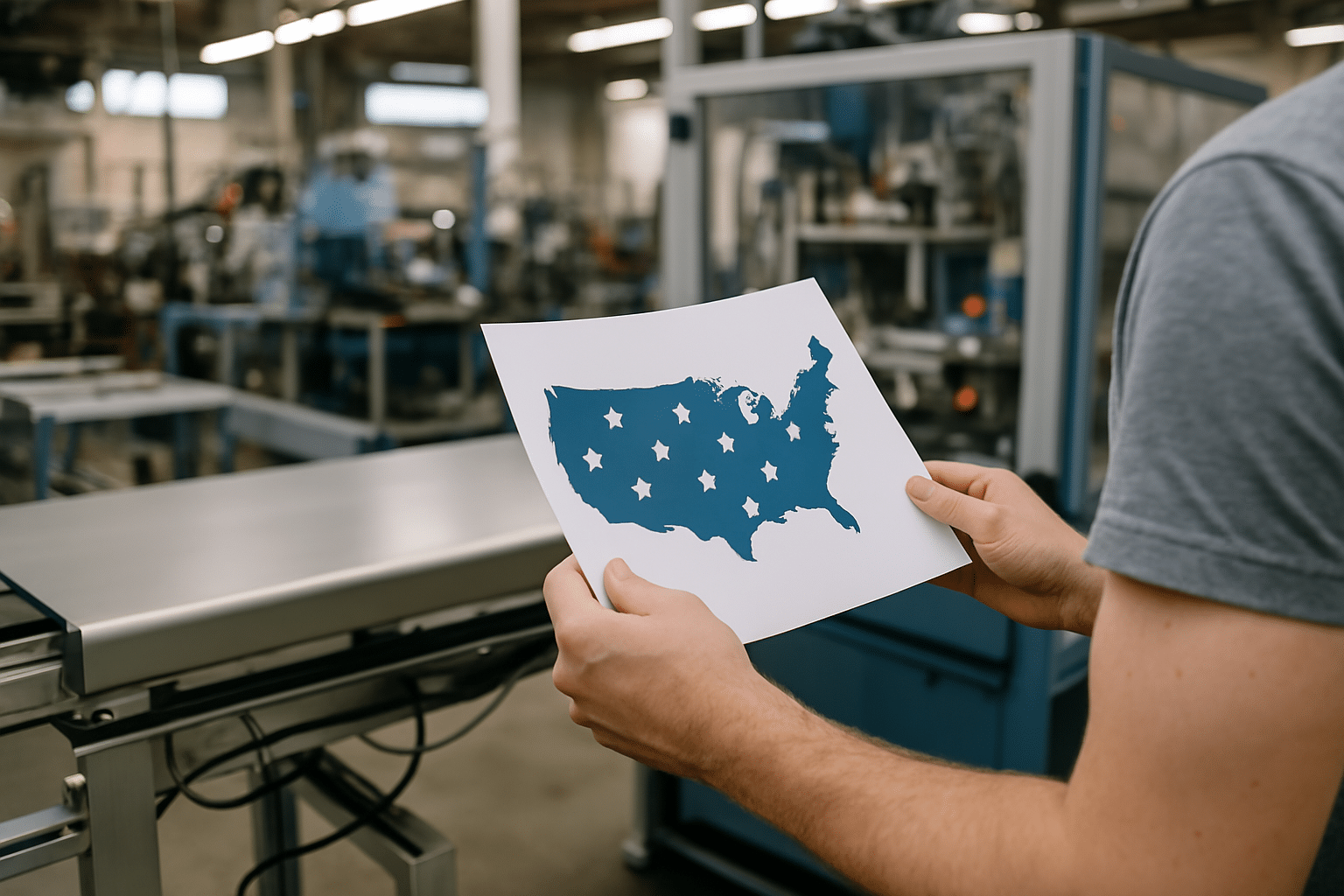
Key Takeaways:
- Reshoring is becoming a competitive advantage - In 2026, brands are no longer just reshoring to fix supply chain issues - they’re doing it to gain faster turnaround, better quality control, and closer relationships with suppliers.
- It’s not without its challenges - Higher domestic labor costs, limited access to certain materials, and the need for upfront investment make reshoring a decision that must be weighed carefully, especially for startups or smaller brands.
- Economic and political changes are speeding up the shift - New U.S. tariffs, geopolitical risks, and consumer preferences for local, ethical production are pushing more brands to rethink where they manufacture and platforms like Wonnda are making the transition easier.
What Is Reshoring?
Reshoring is the process of bringing manufacturing and production operations back to the country where a brand is based or closer to its primary market. It’s a strategic reversal of offshoring, which gained popularity over the past few decades as companies moved manufacturing to countries with lower labor and production costs, often in Asia.
While offshoring helped reduce costs, it also introduced new risks including longer lead times, complex logistics, less visibility into production quality, and vulnerability to global disruptions. In contrast, reshoring brings production closer to home, offering more control, faster timelines, and greater supply chain resilience.
To understand the differences between reshoring vs nearshoring vs offshoring more clearly, let’s break it down alongside other common production strategies:
Reshoring
Bringing manufacturing back to your brand’s home country for example, a U.S. beauty brand producing its skincare line in California instead of China.
Key benefits: Faster production, local compliance, made-in-USA branding, closer supplier relationships, and easier communication.
Nearshoring
Moving production to a neighboring or nearby country, often to balance cost and convenience. For instance, a German food brand manufacturing in Poland or Spain, or a U.S. brand shifting from Asia to Mexico or Canada.
Key benefits: Lower logistics costs and lead times than offshoring, while often still benefiting from favorable labor costs.
Offshoring
Outsourcing production to a more distant country, often for cost reasons. For example, a supplement brand based in the U.K. producing capsules in India or China.
Key benefits: Lower per-unit manufacturing costs, but higher risk, longer lead times, and potential quality and compliance challenges.
Advantages of Reshoring
As more brands rethink where they make their products, reshoring has become more than just a reaction to supply chain problems - it’s now a smart business move. Here are the main reasons why reshoring makes sense for product brands in 2026:
Greater Supply Chain Control
When you work with overseas manufacturers, there are often several layers between you and the production line. Reshoring eliminates much of that distance - both physically and operationally. You gain closer oversight of everything from raw material sourcing to final packaging, giving you the ability to monitor timelines, catch errors early, and enforce quality standards more effectively. With a local supplier, site visits, in-person audits, and real-time feedback are much more feasible, strengthening the relationship and reducing the risk of miscommunication.
Faster Time to Market
In fast-paced industries like beauty, food, and wellness, timing is everything. Trends change quickly, seasonal launches are time-sensitive, and customer expectations around shipping speed are only growing. Reshoring can dramatically reduce lead times, not just for production, but also for logistics. Instead of waiting 6–12 weeks for ocean freight or dealing with customs delays, you can often get product from the factory to your warehouse within days or weeks. This allows for faster launches, easier restocks, and better responsiveness to customer demand.
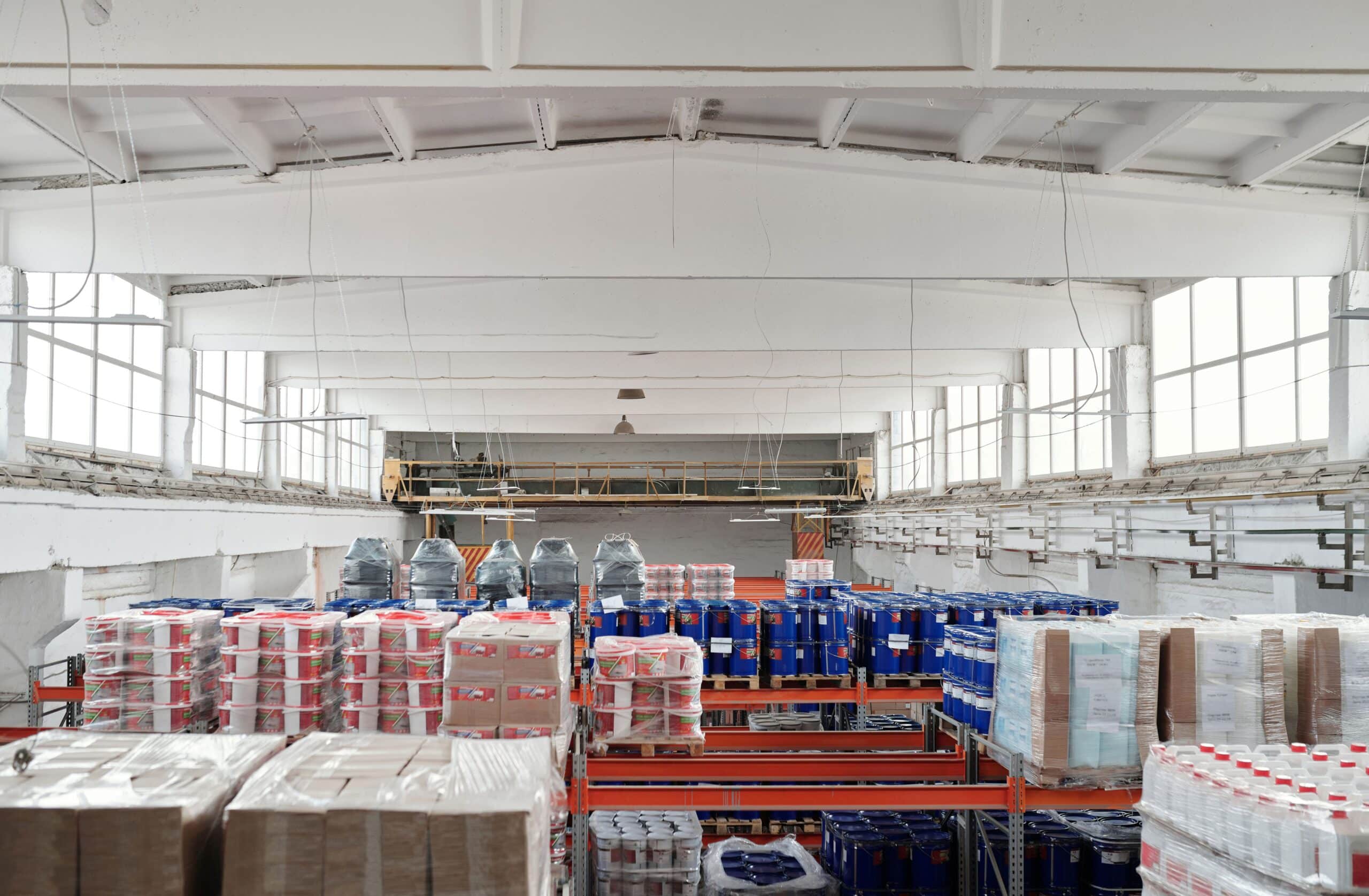
Warehouse.
Improved Quality and Regulatory Compliance
U.S. and European manufacturers are typically well-versed in domestic regulations and certifications, including FDA registration, USDA Organic, GMP, EU Cosmetics Regulation, and more. By working locally, you reduce the risk of non-compliance and eliminate the need for re-testing, re-labeling, or repackaging imported goods. Additionally, local manufacturers often adhere to stricter labor, hygiene, and sustainability standards, ensuring that the final product meets your brand’s ethical and quality benchmarks.
Stronger Brand Perception and Consumer Trust
Consumers today are more informed and intentional than ever. They want to know where products are made, how they’re produced, and who is behind them. Reshoring allows you to market your products with transparency, traceability, and authenticity. Phrases like “Made in USA” or “Locally Produced in Europe” aren’t just selling points - they’re proof of quality and ethical commitment. This can strengthen your brand image, support premium pricing, and differentiate you in a crowded market.
Reduced Risk and Operational Delays
Working across multiple time zones, languages, and business cultures adds complexity to any operation. It also increases the chance of miscommunication, late responses, or missed deadlines. Reshoring significantly simplifies collaboration. You’re often in the same or similar time zone, making it easier to align schedules, review samples, and solve problems quickly. This reduction in friction leads to fewer delays, less stress, and more reliable timelines, especially for brands working with lean teams.
Lower Total Cost of Ownership (TCO)
While the unit cost of a product made domestically may be higher on paper, the total cost of ownership often tells a different story. When you account for international freight charges, customs duties, long lead times, higher inventory carrying costs, and potential losses from defective goods or delayed launches, reshoring can actually save you money or help you operate more efficiently with fewer hidden costs.
In addition, shorter production cycles allow you to place smaller, more frequent orders, reducing your need to overproduce or warehouse large amounts of stock - freeing up both capital and space.
Support for Local Economies and Sustainable Growth
Reshoring allows you to align your brand with a broader mission. By working with domestic manufacturers, you're investing in local economies, creating jobs, and supporting more sustainable manufacturing practices. For brands that value corporate responsibility, social impact, or environmental stewardship, reshoring reinforces those values in a tangible, visible way.

Domestic manufacturers.
Customers are increasingly drawn to brands that don’t just sell products but also stand for something. Sourcing locally gives you a meaningful story to tell and helps you build long-term loyalty with conscious consumers.
Disadvantages of Reshoring
While reshoring offers many benefits, from faster lead times to stronger brand trust, it’s important to also consider the potential challenges. Like any strategic decision, reshoring requires a careful evaluation of trade-offs based on your product type, growth stage, and long-term goals.
Here are some of the main disadvantages to be aware of:
Higher Unit Costs
One of the most common concerns with reshoring is the higher per-unit cost of production, especially when compared to low-cost countries like China, India, or Vietnam. Labor, utilities, rent, and environmental compliance all cost more in regions like the U.S. or Western Europe, and these costs are reflected in the final quote.
However, this disadvantage can be offset when you consider the total cost of ownership including savings from reduced freight, faster inventory turnover, fewer delays, and better product quality.
Limited Access to Certain Materials or Capabilities
Some specialized raw materials, components, or manufacturing techniques may still be more accessible or only available in offshore regions. For example, if your product relies on unique plant extracts, proprietary materials, or niche technical equipment, you may face sourcing limitations with local suppliers.
In these cases, a hybrid approach (reshoring final assembly while importing materials) may be required.
Smaller Supplier Base in Certain Categories
Not every industry has a robust reshoring infrastructure yet. While categories like food, beauty, and supplements have seen strong growth in domestic manufacturing options, others, like electronics or textiles, may still have a limited supplier base or longer waitlists for onboarding.
This can reduce your flexibility in choosing between manufacturers or slow down development if demand outpaces domestic capacity.
Potential for Longer Development Timelines
Although lead times for production are often shorter once the process is established, initial development or onboarding with a domestic supplier may take longer. Many U.S. and EU manufacturers offer high-touch services, such as custom formulation, in-house testing, and packaging development, which adds value but can take additional time upfront.
If you're working on a tight launch timeline, this may require earlier planning or short-term parallel production while reshoring is phased in.
Upfront Investment and Transition Costs
For brands currently working with overseas manufacturers, switching to a reshored supply chain can involve transition costs. These may include new tooling, packaging redesign, regulatory alignment, or shipping raw materials to a new location. Even if reshoring is more cost-effective long-term, the initial investment can be a barrier for smaller brands or those with limited capital.
That’s why many brands choose to gradually shift production, starting with pilot runs or a select product line before scaling fully.
Automation Reduces Job Creation
Even when reshoring is possible, many companies rely on automation to offset high labor costs meaning fewer domestic jobs are created and a large upfront investment in equipment is often required.
Reshoring Strategies for 2026: What Brands Should Consider
Reshoring is not an all-or-nothing approach. Many brands begin by reshoring part of their product line or testing local production with small runs. Here’s how to build a smart reshoring strategy in 2026:
Start With High-Impact SKUs
Begin by reshoring products that benefit most from faster turnaround, like top sellers, seasonal items, or those with shorter shelf life. Keep lower-volume or lower-margin items overseas, at least temporarily.
Optimize for Shorter Lead Times
Use reshoring as a way to support just-in-time inventory or reduce the cash tied up in warehousing. For example, reshoring a skincare line or supplement SKU allows faster reorders and fewer stockouts.
Build Local Supplier Networks
Leverage digital sourcing platforms like Wonnda to connect with pre-vetted, local manufacturers who specialize in your specific product category, whether that's skincare, supplements, packaged food, or home goods. Instead of spending weeks searching manually or relying on outdated directories, Wonnda lets you quickly filter manufacturers by location, minimum order quantity, certifications, and capabilities.
Working with suppliers who are already familiar with domestic compliance requirements, such as FDA regulations in the U.S. or EU labeling standards, can save valuable time and reduce risk during product development. Many manufacturers on Wonnda also offer flexible MOQs, making it easier for startups or growing brands to test products or launch smaller batches without overcommitting on volume.
Most importantly, these manufacturers are equipped with modern production processes, including automated filling lines, quality assurance protocols, and sustainable packaging options ensuring your product meets both regulatory and consumer expectations from day one.
Review Packaging and Logistics
Use the reshoring process as an opportunity to rethink packaging. Local suppliers may offer new materials, sustainable packaging, or printing capabilities that align better with your brand values.
Monitor Total Cost of Ownership (TCO)
Don't just compare unit costs. Consider shipping, customs, returns, quality issues, storage, and time lost to delays. In many cases, reshoring leads to better margins in the long run.
What’s Fueling the Reshoring Boom?
A mix of economic, political, and strategic forces is accelerating the trend toward reshoring, and to some extent, nearshoring, as brands shift their supply chains closer to home. Here are the key drivers behind this movement in 2026:
Government Incentives and Policy Support
U.S. government programs have helped encourage companies to move production back to the country. For example, the CHIPS and Science Act gave funding to boost chip manufacturing in the U.S., and the Inflation Reduction Act offered tax breaks and support for clean energy and infrastructure. These policies are helping make local production more affordable, especially for companies that used to rely on cheaper manufacturing overseas.
Tariffs and Shifting Trade Dynamics
Recent changes in U.S. trade policy are already reshaping how brands approach global production. On April 2, 2025, President Trump announced a sweeping set of reciprocal tariffs targeting imports from over 60 countries. The new duties have led to a sharp rise in production and compliance costs for many companies that previously relied on low-cost manufacturing hubs.
Some of the steepest tariffs were applied to goods from Cambodia, Madagascar, Sri Lanka, and Vietnam with rates nearing or exceeding 45%. Other key trade partners, including China, Japan, South Korea, and India, were also affected. A 25% tariff is now in place for all foreign-made vehicles, and further adjustments are expected in the months ahead.
For many businesses, especially FMCG (fast-moving consumer goods) brands, these changes are significantly impacting cost structures and forcing a rethinking of sourcing strategies. While the short-term pressure is real, the long-term goal of these tariffs is to incentivize reshoring and rebalance trade. But the transition isn’t always straightforward.
What Are the Trump Tariffs 2025?
The Trump tariffs 2025 include a series of new import taxes and trade policies aimed at reshaping U.S. manufacturing and reducing the trade deficit. Here’s a breakdown of the latest actions:
- March 4 tariffs – 25% on goods from Canada and Mexico (10% on Canadian energy), and 20% on Chinese imports
- April 2 auto tariffs – 25% on all foreign-made vehicles, effective April 3
- Reciprocal tariffs – Matching tariffs based on what each country charges the U.S., starting at 5–10% and expected to rise
- Steel and aluminum tariffs – Expanded 25% duties effective March 12
Trump calls this a move toward economic independence. The Trump tariffs 2025 impact, however, is triggering cost increases, supply chain shifts, and new global tensions.
You can read more about it in our article: Trump Tariffs 2025 Impact: What It Means for Businesses, Consumers, and Global Trade
Rising Geopolitical Risk
Escalating tensions in international relations, especially between major economies like the U.S. and China, have highlighted the instability of relying too heavily on offshore partners. Global conflicts, trade restrictions, and shifting alliances add layers of unpredictability to overseas production. As a result, companies are looking for safer, more reliable alternatives often turning to manufacturers within their own borders or regions.
Lessons from Supply Chain Disruptions
The COVID-19 pandemic exposed how fragile global supply chains can be. From port congestion to raw material shortages and price spikes, brands experienced firsthand the downside of far-reaching, complex sourcing networks. Today, many are choosing to prioritize resilience over low cost, turning to domestic manufacturers to reduce risk, improve reliability, and respond faster to changes in demand.
Technological Advancements in Manufacturing
The evolution of automation, artificial intelligence agents, and smart manufacturing systems is gradually closing the labor cost gap between overseas and domestic production. By implementing robotic assembly lines, predictive maintenance, and data-driven quality control, U.S. and European factories can boost productivity and reduce manual labor needs, making local production more scalable and cost-competitive than in the past.
Summary
Reshoring is the process of bringing manufacturing and production closer to a brand’s home market. Once driven by the cost advantages of offshoring, brands are now shifting production back due to rising tariffs, supply chain disruptions, and consumer demand for transparency.
While reshoring offers benefits like faster lead times, improved quality control, and stronger brand perception, it also comes with challenges, including higher labor costs, limited supplier options in some sectors, and upfront transition investments. In 2026, reshoring has evolved into a strategic move for brands aiming for resilience, agility, and long-term growth.
Related articles

GLP-1 Companion: What It Is, Examples and Why It Matters for Brands

10+ Top Supplement Trends in 2026 (Exclusive Wonnda Data)

PPWR Regulation: What EU Brands Must Do by 2030

White Label Mushroom Coffee: The 2026 Sourcing Guide for Brands
Made in USA Cookware: Why More Brands Are Reshoring Production

10+ Best European Supplement Brands in 2026

10+ Best German Supplement Brands in 2026

Top 5 D2C Trends to Watch for in 2026