
What is Contract Manufacturing? Definition, Process, and How It Works


Contract manufacturing - also known as co-manufacturing - is how brands bring original products to market without owning a factory. It is the model behind most of the world's consumer goods, pharmaceuticals, electronics, and food products. This guide explains exactly what contract manufacturing means, how it works, when it is the right choice, and what to watch for when working with a contract manufacturer.
Key Takeaways
- Contract manufacturing means hiring a third-party manufacturer to produce goods according to your specifications, formula, and IP
- The brand owns the product spec and formula. The manufacturer provides production capacity, equipment, and expertise
- The best platforms to find contract manufacturers are Wonnda, co-manufacturing.com, Thomasnet or Europages
- Contract manufacturing offers full product exclusivity and maximum differentiation - the manufacturer cannot sell your product to any other brand
- It requires a higher upfront investment in development, tooling, and minimum order quantities than white label or private label
- It is the right model when the product itself is the brand's core competitive advantage
- Most contract manufacturers in Europe and the US specialize by category - finding the right partner requires knowing what certifications, production methods, and MOQ thresholds matter for your product. Platforms like Wonnda can help with that.
What Contract Manufacturing Means
Contract manufacturing is an arrangement in which a brand engages a third-party manufacturer to produce a product to the brand's own specifications. The brand owns the formula, the ingredient list, the production process, and - depending on the agreement - any proprietary technology or IP involved. The manufacturer provides the facility, equipment, certifications, and labor required to produce the product.
The defining characteristic is ownership. In contract manufacturing, the brand owns what is being made. The manufacturer is producing under contract, to a spec they did not write and cannot sell to anyone else without authorization. This is the fundamental difference between contract manufacturing and white label sourcing, where the manufacturer owns the product and sells it to anyone who orders it.
Contract manufacturing is used across virtually every consumer goods and industrial category. The same model that governs how a large pharmaceutical company produces a drug governs how a supplement startup produces its hero SKU and how an electronics brand produces its hardware. The scale differs. The structure is the same.
Contract Manufacturing vs Private Label vs White Label
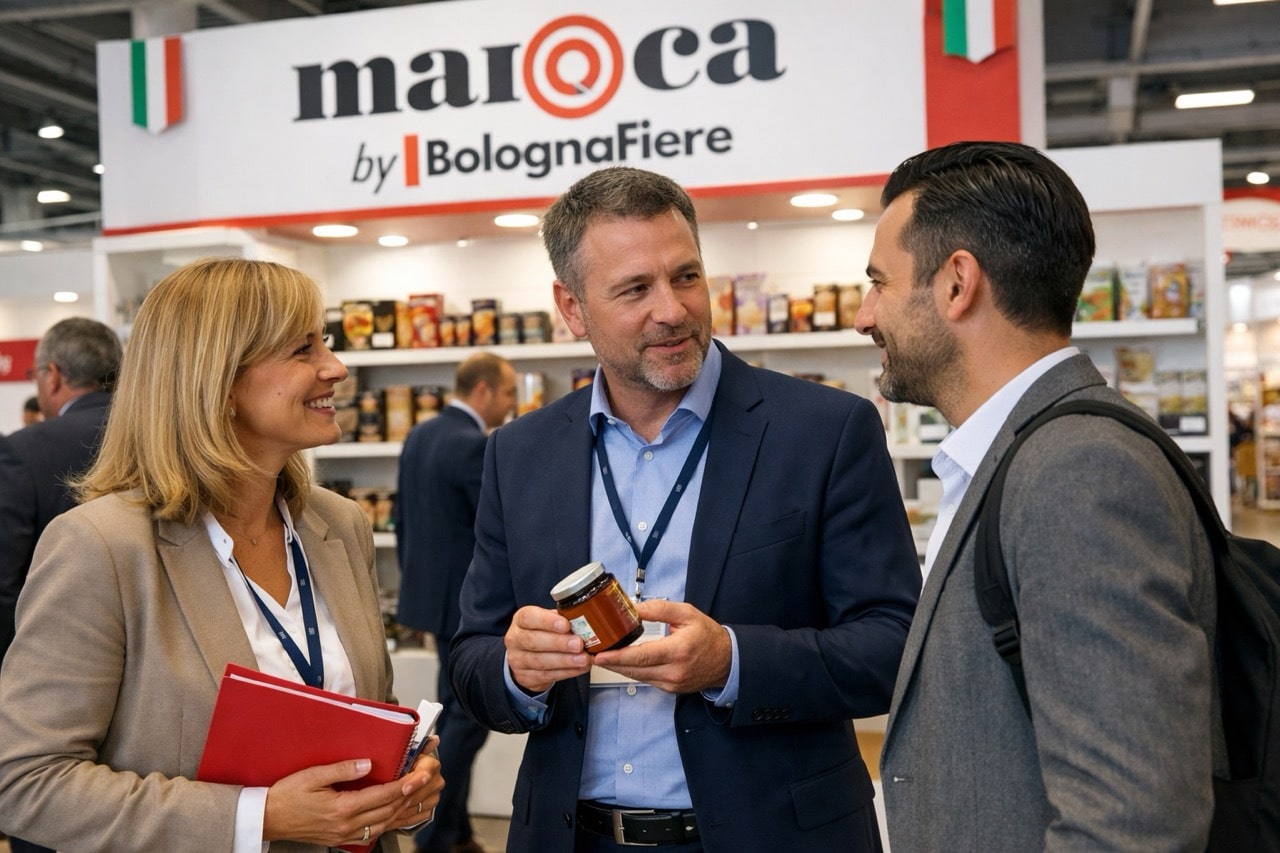
These three sourcing models are frequently conflated, but the commercial and legal implications are materially different. The key variable is who owns the product.
| Contract Manufacturing | Private Label | White Label | |
|---|---|---|---|
| Who owns the formula | The brand | Shared or manufacturer-influenced | The manufacturer |
| Exclusivity | Full. Product is yours alone | Partial to full, depending on agreement | None. Same product sold to all buyers |
| Customization | Complete. Formula, ingredients, process | Moderate. Formulation tweaks, packaging | Label and packaging only |
| Speed to market | Slowest. Full development cycle required | Medium. Some development required | Fastest. Product already exists |
| MOQ | Highest | Medium to high | Lowest |
| Upfront investment | Highest | Medium | Lowest |
| Margin potential | Highest | Medium to high | Lower (commoditized) |
| IP protection | Strong. Formula and spec owned by brand | Moderate | None |
| Differentiation | Full product differentiation | Moderate | None on product. Brand only |
The practical implication: contract manufacturing is the model to use when your product formulation, ingredients, or process is the source of your competitive advantage. If a competitor could replicate your product by sourcing from the same manufacturer, contract manufacturing removes that risk. If product performance, specific actives, or proprietary process claims are central to your brand story, contract manufacturing is the only model that can support them.
How Contract Manufacturing Works
The process involves more steps than white label or private label sourcing because the product does not yet exist when you start. Each phase has commercial and legal implications that are worth understanding before you begin.
1. Define your product specification
Before approaching any manufacturer, you need a product specification document. This should include the formula or ingredient list, target performance characteristics, packaging format, and any regulatory or certification requirements. For regulated categories like supplements, cosmetics, or food, this document also needs to address labeling obligations for your target market.
A well-defined spec protects you in the manufacturer relationship. It establishes what you are commissioning and creates the baseline against which quality is measured throughout the production relationship. Vague specs produce inconsistent products and make quality disputes nearly impossible to resolve.
2. Identify and qualify manufacturers
Not every manufacturer who could physically make your product is the right partner. Qualification covers production capability, relevant certifications (GMP, ISO, organic, Halal, Kosher, depending on category), capacity relative to your current and projected volume, lead times, and experience with your specific product type. A manufacturer who has never produced your format — even if they work in your category — will cost you development time and money.
For brands sourcing from Europe or the US, qualification also covers traceability and supply chain standards, which are increasingly required by retail buyers and direct-to-consumer customers alike. EU GMP and FDA compliance are baseline expectations in most regulated categories.
3. Negotiate terms and sign a manufacturing agreement
A contract manufacturing agreement covers more ground than a standard supply contract. The critical provisions are IP ownership (the formula must be explicitly assigned to the brand), confidentiality, exclusivity scope (what the manufacturer can and cannot produce for competitors), quality standards and testing obligations, change control (what happens if the manufacturer wants to change an ingredient or process), and minimum order commitments.
Do not start product development before this agreement is signed. Development work done outside a formal agreement creates ambiguity about who owns the resulting formula, especially if the manufacturer contributes technical input to the development process.
4. Develop and approve samples
The manufacturer produces initial samples according to your specification. This stage typically involves multiple rounds: a development sample to validate the formula, a production-ready sample to confirm manufacturability and consistency, and a stability or shelf-life sample if required for regulatory approval or retail listings.
Approval criteria should be documented in writing before sampling begins. What constitutes an acceptable color variance, texture range, or active content level needs to be agreed and signed off before production starts. Disputes about sample approval after the fact are expensive for both sides.
5. Place production orders and manage supply
Once samples are approved and compliance documentation is in order, production begins. For ongoing supply relationships, most brands establish a purchase order process with rolling forecasts, a quality control inspection protocol at the manufacturer's facility, and agreed procedures for handling out-of-spec batches.
Lead times for contract manufacturing run longer than white label: 8 to 16 weeks is typical for a first production run, including development and compliance steps. Repeat orders on an established product are faster, typically 4 to 10 weeks depending on category and manufacturer capacity.
Contract Manufacturing by Category
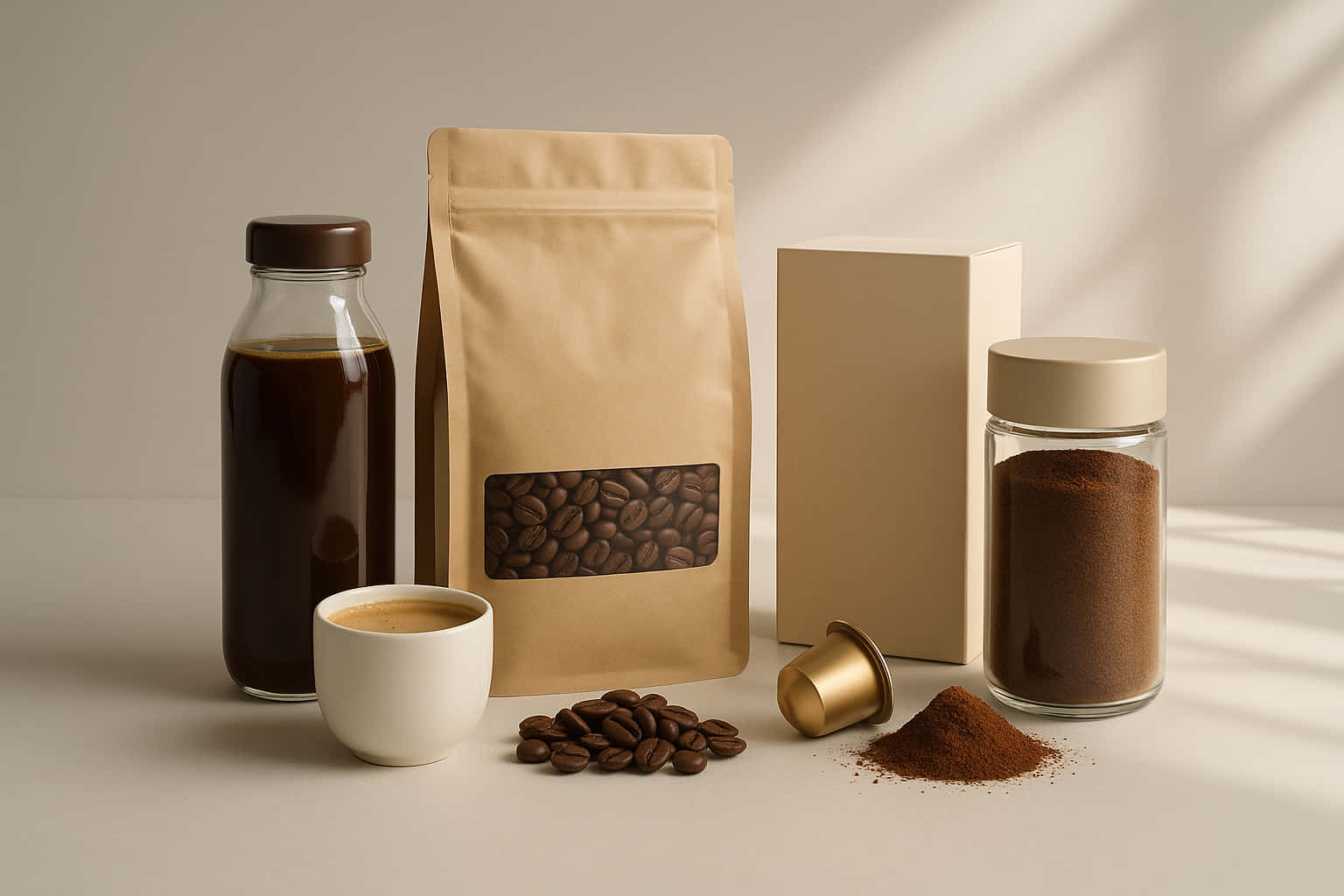
Contract manufacturing is present across virtually every consumer goods category. The specifics vary by production method, regulatory environment, and typical MOQ structure.
Supplements and nutraceuticals
The supplement contract manufacturing market is large and well-developed in both Europe and the US. Brands that own their formulas have a significant commercial advantage over those selling white label products: they can make specific efficacy claims tied to their exact formula, publish clinical research, and protect their formulations through trade secret law. Contract manufacturers in this category typically offer blending, encapsulation, tablet pressing, powder filling, and liquid manufacturing under GMP conditions. European suppliers must comply with EU Regulation 1169/2011 on food information and relevant EFSA guidelines. US manufacturers producing for that market must meet FDA 21 CFR Part 111 GMP requirements.
Cosmetics and personal care
Cosmetics contract manufacturing involves formula development (often in collaboration with the manufacturer's R&D team), stability testing, safety assessment (required under EU Regulation 1223/2009), and production under ISO 22716 GMP conditions. Brands with proprietary formulas in skincare and personal care can substantiate performance claims in a way that white label brands cannot. This matters particularly for premium positioning, retail buyer negotiations, and consumer trust in categories with high claim sensitivity.
Food and beverage
Food contract manufacturing spans everything from snacks and beverages to pet food and functional ingredients. Brands bringing a new recipe or format to market need a co-manufacturer (the food industry term for a contract manufacturer) with the right allergen controls, production lines, and food safety certification — typically BRC, IFS, or SQF. Development timelines in food are often longer due to shelf-life validation requirements, which can take several months for products with extended shelf-life claims.
Household and cleaning products
Household product contract manufacturing is concentrated among manufacturers with chemical blending, filling, and packaging capabilities. Brands in this category typically own their formulas and use contract manufacturing to access scale without capital investment in facilities. Regulatory compliance in Europe (Regulation 648/2004 on detergents, REACH for chemical safety) adds a layer of documentation that qualified contract manufacturers can help navigate.
Advantages of Contract Manufacturing
Full product ownership and IP protection
Your formula, ingredient combination, process parameters, and any proprietary technology are yours. No competitor can source the same product from the same manufacturer. This is the core commercial advantage of contract manufacturing and the primary reason brands that have invested in product development choose it over white label or private label alternatives.
Access to production capability without capital expenditure
Building a GMP-compliant supplement facility, a cosmetics manufacturing line, or a food-safe production plant requires millions of euros in capital and years of build-out time. Contract manufacturing gives brands access to certified, operational production capacity without that investment. The brand focuses on product development, brand building, and distribution. The manufacturer focuses on production.
Scalability without fixed cost commitment
As volume grows, a well-structured contract manufacturing relationship scales with it. The brand does not carry the fixed cost of underutilized production capacity in early-stage growth. Manufacturers with multiple clients across their production lines can absorb volume fluctuations more efficiently than a brand-owned facility running at low utilization.
Access to technical expertise
Experienced contract manufacturers have formulation chemists, food technologists, regulatory specialists, and production engineers on staff. For brands that are product-led but do not have those capabilities in-house, working with the right contract manufacturer provides access to expertise that would cost significantly more to hire directly. The relationship works best when the brand brings the product vision and the manufacturer brings the technical capability to realize it.
Limitations of Contract Manufacturing
Higher upfront investment
Development costs, tooling (for custom packaging or hardware), regulatory testing, and higher MOQs mean the capital required to launch via contract manufacturing is higher than other sourcing models. For a first-time supplement launch, development and compliance costs alone can run into the tens of thousands of euros before the first unit ships.
Longer time to market
A new contract manufactured product takes 6 to 18 months from initial brief to first commercial shipment, depending on category complexity, regulatory requirements, and the number of sample iterations required. Brands that need to move quickly in a category should consider whether a private label or white label launch to validate demand makes sense before committing contract manufacturing resources to a product that has not yet proven market fit.
Manufacturer dependency risk
When a brand's formula exists only in one manufacturer's production facility, supply chain risk is concentrated. If the manufacturer faces capacity issues, quality problems, or financial difficulty, the brand cannot easily switch to an alternative. Managing this risk requires either qualifying a second manufacturer in parallel or negotiating robust supply assurance provisions in the manufacturing agreement.
Quality control complexity
The brand owns the product but does not directly control the production environment. Maintaining consistent quality requires active oversight: incoming material testing, in-process checks, finished goods release testing, and audit rights in the manufacturing agreement. Brands that delegate quality management entirely to the manufacturer without robust contractual controls and periodic audits tend to encounter consistency issues as volume scales.
When Contract Manufacturing Is the Right Choice
| Situation | Contract Manufacturing? | Why |
|---|---|---|
| Your product formulation is your competitive advantage | Yes | Only contract manufacturing provides full IP protection and exclusivity on the product |
| You are building a brand where product claims depend on specific ingredients or processes | Yes | Claims that require a specific formula need a formula you own |
| You plan to pursue retail listings that require product exclusivity | Yes | Most buyers for exclusive range positions require proprietary product specs |
| You are testing product-market fit in a new category for the first time | Not yet | White label or private label testing is faster and cheaper. Develop proprietary product once demand is validated |
| You need to launch within 8 weeks | No | Contract manufacturing development timelines make this impossible for a new product |
| Your category has commodity-like formulations where brand and marketing drive purchasing | Often not | White label may be sufficient and far cheaper for categories where the product itself is undifferentiated |
Common Mistakes in Contract Manufacturing
Starting development without a signed agreement
The most serious mistake. Once a manufacturer has contributed technical input to a formula or process — even informally, even in a sample stage — ownership of that contribution can become ambiguous without a prior written agreement. Always have the manufacturing agreement, including IP assignment and confidentiality provisions, in place before any technical work begins.
Choosing a manufacturer on price alone
The cheapest manufacturer is rarely the right manufacturer. Production experience with your specific format, the quality of their raw material sourcing, their compliance track record, and their capacity to scale with you are all factors that affect the total cost of the relationship. A low unit cost from a manufacturer who requires constant quality interventions or who cannot fulfill volume increases reliably is not a saving.
Underestimating development time
Brands frequently budget for one or two sample rounds and a straightforward development process. In practice, formulation iterations, stability testing, regulatory review, and packaging approval can extend timelines significantly. Build conservative timelines and do not commit to retail launch dates or marketing campaigns until you have a signed-off production sample in hand.
No quality control plan beyond initial sample approval
Approving the first production sample is the beginning of quality management, not the end of it. Brands that do not establish incoming goods testing, batch documentation requirements, and audit rights in the manufacturing agreement tend to find that production quality drifts over time, particularly as the manufacturer's production team changes and institutional knowledge of the brand's standards erodes.
Single-source dependency without a backup plan
Qualifying only one manufacturer for a hero product creates a single point of failure in your supply chain. If that manufacturer has a production shutdown, a quality incident, or a capacity crunch at the same time a competitor or a large customer requires supply, you have no alternative. Qualifying a second manufacturer takes time when you do not need it. It is not possible when you do.
Frequently Asked Questions
What is the difference between contract manufacturing and private label?
The core difference is IP ownership. In contract manufacturing, the brand owns the formula, specification, and any proprietary process. In private label, the manufacturer typically owns or co-owns the product spec, with the brand having some level of customization rights. Contract manufacturing provides stronger IP protection and full exclusivity. Private label is faster and lower-cost but offers less control and less differentiation.
What is a typical MOQ for contract manufacturing?
MOQs vary significantly by category and manufacturer. Supplements: 2,000 to 10,000 units per SKU is common at early stage. Cosmetics: 500 to 5,000 units depending on format complexity. Food products: often volume-based (kg or litres) rather than unit-based, with minimums that reflect production line economics. Hardware and electronics: tooling and component MOQs can run into the tens of thousands of units. In all cases, MOQs at contract manufacturers are higher than at white label suppliers, reflecting the dedicated production setup required.
Do contract manufacturers help with formulation?
Many do, particularly in supplements, cosmetics, and food. Contract manufacturers with in-house R&D teams can take a product brief and develop the formula, which is then assigned to the brand through the manufacturing agreement. This is a common model for brands that have a product concept but not the technical team to develop it independently. The key is ensuring that IP assignment provisions in the agreement are unambiguous before development starts.
How do I find contract manufacturers in Europe and the US?
Industry trade shows (Vitafoods for supplements, Cosmoprof for cosmetics, Anuga for food, electronica for electronics) are one route. Contract manufacturing associations and directories exist in some categories. B2B sourcing platforms that specialize in contract manufacturing connections are often more efficient for early-stage brands, particularly for filtering by category, certification, location, and MOQ before making contact. Wonnda covers contract manufacturers and private label suppliers across Europe and the US, with search filters by product category, certifications, and production capability.
What certifications should a contract manufacturer have?
It depends on your category and target market. Supplements destined for the EU market: EU GMP (Good Manufacturing Practice) under Directive 2003/94/EC or the equivalent national implementation. Supplements for the US market: FDA 21 CFR Part 111 GMP compliance. Cosmetics in the EU: ISO 22716 GMP. Food: BRCGS, IFS Food, or SQF depending on the retailer requirements. Electronics for EU: ISO 9001, with CE marking compliance support. Always verify that the manufacturer's certifications are current and cover the specific product type you are commissioning — GMP certification for tablets does not automatically extend to liquids or topicals.
Can I use contract manufacturing for a small initial run?
Yes, but the economics are challenging at very low volumes. Development and tooling costs are largely fixed regardless of order size, which means the per-unit cost on a 1,000-unit first production run is significantly higher than on a 10,000-unit run. For early-stage validation, some brands use a white label or private label product for market testing and move to contract manufacturing once they have proven demand and can commit to volumes that make the economics work.
Looking for contract manufacturers in Europe or the US for your product category? Browse verified suppliers on Wonnda, filtered by category, certification, and production capability, or post your brief to get matched with manufacturers that fit your product spec and volume requirements.
Related articles

Best Clothing Manufacturers in Europe - 2026 Guide by Wonnda
10+ Best Beauty Manufacturers in the US (2026 List)

How to Find a Manufacturer for Your Product (2026 Guide)

European Suppliers: How to find the best EU suppliers in 2026

10 Best European Sourcing Agencies To Find Suppliers & Launch Your Product
How to Start a Premium Private Label Cookware Brand: The Complete Guide
5+ Best Private Label Nonstick Cookware Manufacturers
5+ Best Private Label Cookware Manufacturers in the USA (2026)