
Best private label trousers manufacturers
Wonnda is where brands find private label trousers manufacturers. Sourcing trousers involves meticulous attention to fit, where elements like rise, inseam, and seat measurements are crucial across the entire size run. Technical specifications in the tech pack must detail the rise (low, mid, high), leg shape (slim, straight, wide, tapered), inseam by size, and waistband construction. Material choices, from denim to various woven fabrics, significantly influence the garment's drape and comfort. Production lead times can vary based on fabric availability, complexity of the wash, and embellishment requirements.
- Vetted suppliers
- 25,000+
- Brands & buyers
- 23,000+
- EU-made
- 80%
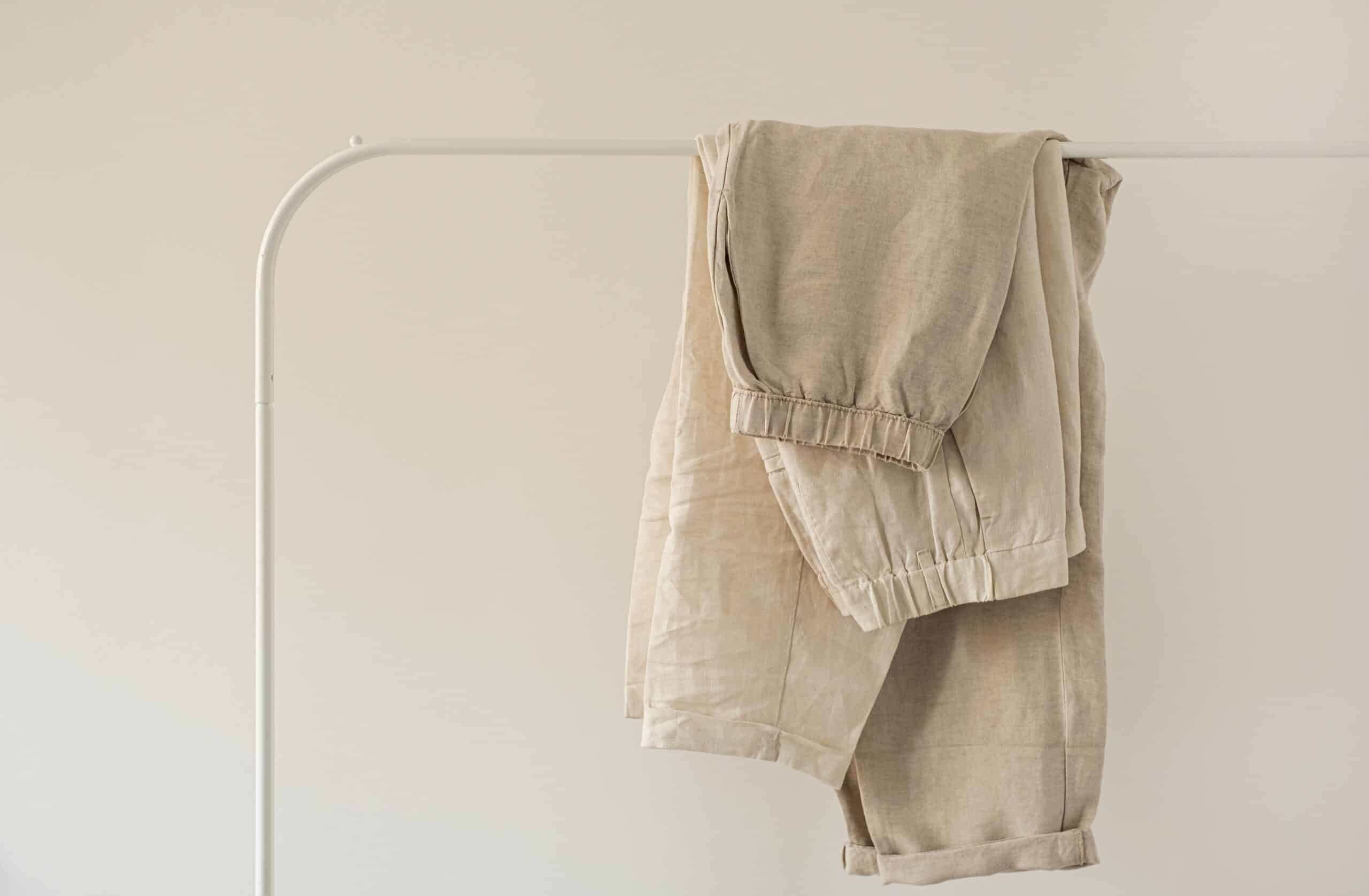
4+ Top private label trousers manufacturers
Wonnda works with the best private label trousers manufacturers. Here is a list of trusted suppliers from our network.
Tebesa UAB
4.7Private LabelContract ManufacturingLithuania-based manufacturer producing knitted apparel, crocheted apparel, men's knitwear, available to brands sourcing trousers.
- Country
- Lithuania
- MOQ
- Lead time
 Private LabelContract Manufacturing
Europe-based manufacturer producing men's t-shirts, polo shirts, sweatshirts, available to brands sourcing trousers.
- Country
- -
- MOQ
- Lead time
 Private LabelContract Manufacturing
Europe-based manufacturer producing 70 gsm ultra-light mesh fabric, cotton garments, polyester garments, available to brands sourcing trousers.
- Country
- -
- MOQ
- Lead time
 Private LabelContract Manufacturing
Europe-based manufacturer producing luxury tailored shirts, designer shirting, digital print shirts, available to brands sourcing trousers.
- Country
- -
- MOQ
- Lead time
Compare MOQs and lead times
Quick side-by-side of the shortlist. Missing values shown as a dash.
| Supplier | Location | Types | MOQ | Lead time |
|---|---|---|---|---|
| Tebesa UAB | Lithuania | PL · CM | ||
| Mantoni | - | PL · CM | ||
| FUSH | - | PL · CM | ||
| Spectre | - | PL · CM |
Buyer criteria
- Rise and fit grading
Confirm the factory grades trousers so the rise, seat, waist, and inseam all scale correctly, keeping every size at the intended rise and leg shape. Order fit samples in multiple sizes. Trousers fail visibly at the seat and rise when grading is wrong, so this is the most important trouser-specific capability to verify before committing to bulk production.
- Waistband construction
Inspect the waistband for proper curtain and interfacing so it holds shape and does not roll or collapse in wear. The waistband is the first thing a customer feels and a rolling or twisting one cheapens the whole trouser. Check belt loops are securely bar-tacked and the closure sits flat, since waistband quality is a clear marker of construction discipline.
- Fabric weight and stretch recovery
Verify the fabric matches the specified weight and that any stretch recovers rather than bagging out at the knee and seat. A small elastane percentage in a woven gives comfort, but poor-quality or excess stretch loses shape after wear. Wear-test and wash-test samples, since bagging knees are a fast, visible failure that makes trousers look worn out quickly.
- Fly, seat seam and stress-point strength
Check the fly construction, seat seam, and crotch reinforcement, the points that take the most stress in wear. A weak seat seam splits and a poorly built fly gapes or jams. These are the structural failure points unique to trousers, so inspect topstitching and reinforcement on a sample and confirm the seat seam is sewn for strength.
- Denim wash capability and consistency
For denim, confirm the laundry can deliver your specified wash consistently across the run and within agreed shade tolerance, not just on the approved sample. Washes vary batch to batch if poorly controlled, leaving mismatched stock. Ask for wash standards and shade bands, since inconsistent denim washes are a common and visible defect across a production lot.
- Fabric and chemical compliance
Confirm the fabric meets REACH azo-dye limits and, where claimed, OEKO-TEX, with accurate fiber-content and care labeling. For denim, ask about the water and chemical footprint of washing, which buyers increasingly scrutinize. Request certificates and a chemical test, and verify the care label survives washing for the actual fabric and wash combination used.
Red flags
- Only the sample size fitted
A factory that fits only the sample size hides whether its grading holds the rise and seat across the range. Trousers show grading failures sharply at the seat and waist, so approving one size risks fit problems surfacing after bulk. Insist on fit samples at the extremes of the size run, since rise and seat grading is the most common trouser failure.
- Rolling or collapsing waistband
A waistband that rolls, twists, or collapses in wear signals missing curtain, interfacing, or poor construction. It is the first thing a customer feels and instantly cheapens the trouser. If a sample's waistband will not hold flat, the factory has skipped construction steps, and the defect will repeat across every pair in the run.
- Bagging knees and lost stretch recovery
Stretch wovens that bag out at the knee and seat after a short wear have poor or excessive elastane that does not recover. This makes trousers look worn out fast and is a frequent complaint. If wash-tested and wear-tested samples lose their shape, the fabric or stretch content is wrong, regardless of how good they looked new.
- Inconsistent denim wash
Denim that varies in shade or wash effect across samples or batches signals a laundry without proper process control. Customers receiving visibly different shades of the same style is an obvious defect. If wash consistency cannot be demonstrated against a shade band, the laundry will deliver mismatched stock that undermines the whole denim program.
Manufacturing process
- 01
Tech pack and pattern
The design is documented with rise, leg shape, inseam by size, waistband construction, pockets, and fabric spec, then a pattern is drafted in the sample size. Trousers must balance rise, seat, and inseam together. Pattern accuracy here determines whether the trouser sits at the right rise and fits the seat, faults that repeat across every graded size if wrong.
- 02
Fabric and trim sourcing
Fabric is sourced to the specified weight, fiber, and stretch, with pocketing, interfacing, zips, buttons, and hook-and-bar closures. Fabric is checked for weight, shade, and stretch consistency, since substituted stretch content changes both fit and recovery. For denim, the greige fabric is selected ahead of wash development.
- 03
Sampling and fit approval
Fit samples are made and tried on a fit model or form, then adjusted at the rise, seat, waist, and leg until correct. Trousers show fit problems clearly at the seat and rise, so this loop is critical. Fit comments are returned and re-sampled until the sample size fits and moves correctly when sitting and walking.
- 04
Grading and marker making
The approved pattern is graded across sizes, scaling rise, waist, seat, and inseam appropriately rather than uniformly, then a marker nests the pieces on the fabric. Grading decides whether every waist size fits at the right rise with the right inseam. A good marker controls fabric use, important given the high yardage trousers consume.
- 05
Cutting
Fabric is spread and cut to the marker by die or automated cutter, with stripe or twill direction respected. Stretch wovens must be cut without distortion so the stretch behaves consistently. Accurate cutting controls how cleanly the inseam and side seams align and keeps each pair consistent across the run.
- 06
Sewing and assembly
Legs are sewn at inseam and side seams, the seat seam joined, pockets and fly constructed, the waistband attached with curtain and interfacing, and belt loops and closures set. The fly, seat seam, and waistband are the stress and quality points. Clean topstitching and a flat, non-rolling waistband mark a well-made trouser.
- 07
Wash, finishing, QC and packing
Denim and washed trousers go to a laundry for the specified wash, then all trousers are pressed, threads trimmed, and inspected against the tech pack for measurements, seam and fly quality, waistband, and closures. Care and fiber labels are checked. Trousers are folded, polybagged, and packed with lot codes for dispatch.
Understanding trousers private-label manufacturing
Trouser Construction and Fabric
Trousers are a fit-critical garment, with the rise, inseam, and seat being key elements. Accurate proportions across a size run are essential for a credible trouser brand. Unlike relaxed tops, trousers visibly fail when the fit is incorrect, leading to pulling at the seat, gaping at the waist, or an improper rise. The tech pack holds significant importance, detailing rise (low, mid, high), leg shape (slim, straight, wide, tapered), inseam by size, waistband construction, and fabric, alongside all measurement points and tolerances.
Fabric and construction determine the trouser type. Structured cotton chino or twill supports a tailored leg, while wool or wool-blend suiting fabric provides dress trousers with crease retention. Denim weight creates jeans with their unique wash and finishing processes, and ponte or technical stretch enables pull-on and performance styles.
Stretch content is crucial: a small percentage of elastane in a woven fabric offers comfort and recovery, whereas excessive amounts can lead to bagging at the knee and seat. The waistband is a distinct engineering challenge, with specifications for curtain construction, interfacing, belt loops, and closures (zip-fly, hook-and-bar, button). A poorly constructed waistband rolls and is often the first element customers notice.
Manufacturing Locations, MOQs, and Lead Times
Trouser manufacturing for Europe is concentrated in Turkey and Portugal for quality cut-and-sew and denim production, offering shorter lead times. Italy specializes in tailored and premium suiting. For volume production, Bangladesh, China, Pakistan, and India are key locations, with denim having dedicated specialist laundries for washing and finishing.
MOQs for cut-and-sew trousers typically start at 150 to 300 units per style and color. Denim with custom washes requires higher MOQs due to additional minimums imposed by laundries. A first production run usually takes 60 to 120 days, including fit approval and, for denim, wash development.
Cost is primarily driven by fabric, with suiting wool and quality denim being significantly more expensive than basic twill. Construction, including fly, pockets, waistband, and any denim washes, adds to labor costs. Trims and finishing also contribute to the overall cost.
Quality and Compliance
Private label trouser buyers encompass D2C fashion and workwear brands, tailoring and suiting labels, denim brands, retailer apparel ranges, and uniform and corporate programs.
Compliance considerations include:
- REACH azo-dye limits
- OEKO-TEX expectations
- Water and chemical footprint of denim washing
When selecting a manufacturing partner, prioritize expertise in rise and fit grading, waistband construction, fabric and stretch recovery, and for denim, wash capability and consistency. This approach is more critical than seeking the lowest unit price, as ill-fitting trousers or those with poor construction lead to returns that diminish fashion margins.
Frequently asked questions
Why is rise so important when developing trousers?+
What fabric should I use for my trousers?+
What MOQ and lead time should I expect for trousers?+
How do I get a waistband that does not roll?+
What should I know about denim washes specifically?+
What compliance and labeling do trousers need?+
Explore adjacent product types
Get a vetted shortlist of trousers suppliers in 48 hours.
Post a brief on Wonnda. Free, no commitment. We match you with vetted manufacturers that fit your MOQ, format and market.