
Best private label gloves manufacturers
Wonnda is the best place to find private label gloves manufacturers. Sourcing considerations vary significantly, ranging from knitted and leather options to specialized sports or technical safety gloves. Key factors include the material composition, such as acrylic, cotton, or various leather types, and the specific application, which dictates construction methods and required functionalities like touchscreen compatibility or protective features. Certifications may be crucial for work or safety gloves. Lead times can differ based on material availability and manufacturing complexity.
- Vetted suppliers
- 20,000+
- Brands & buyers
- 25,000+
- EU-made
- 80%
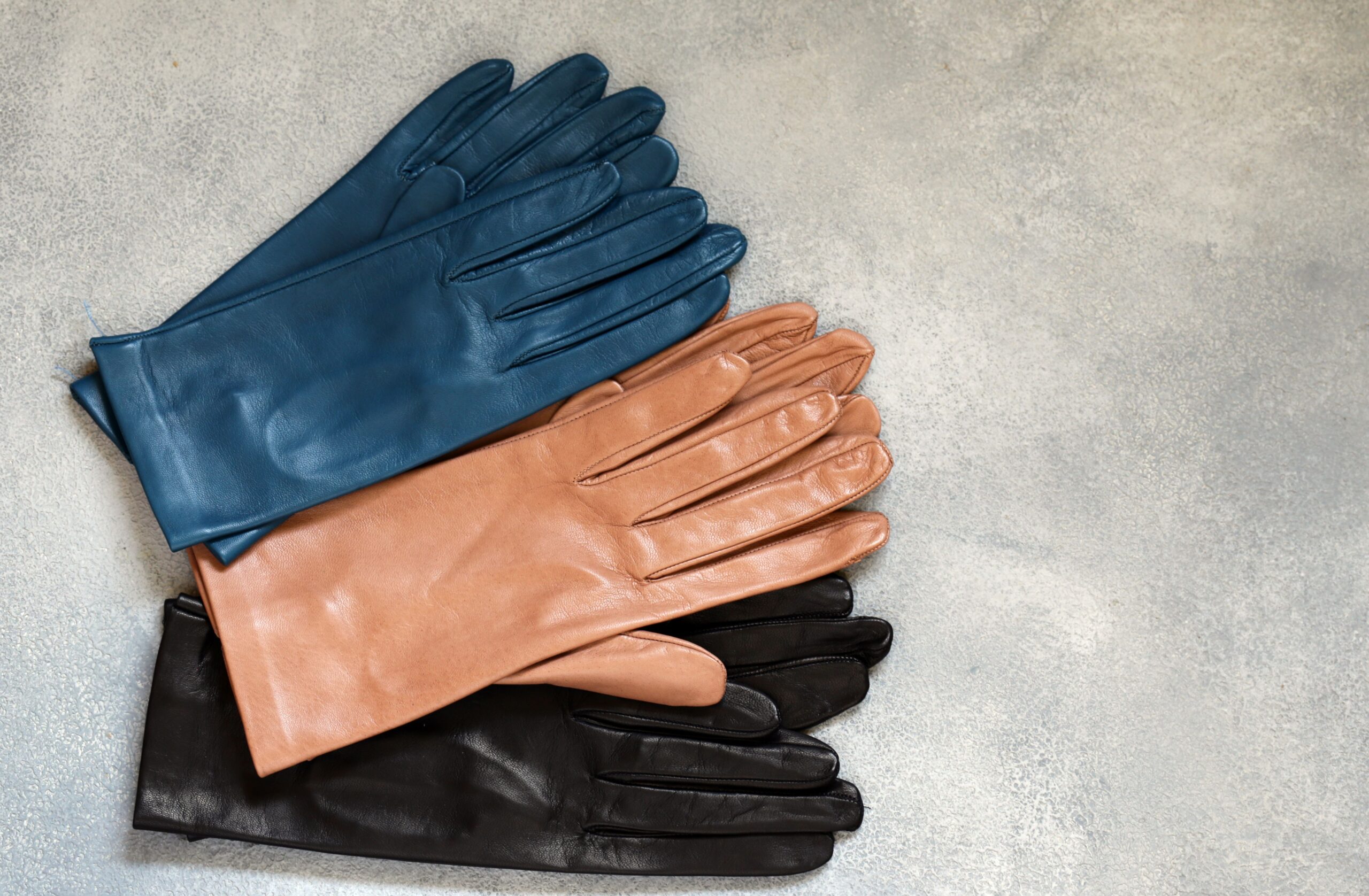
5+ Top private label gloves manufacturers
Wonnda works with the best private label gloves manufacturers. Here is a list of trusted suppliers from our network.
 Private LabelContract Manufacturing
Europe-based manufacturer producing latex examination gloves, nitrile examination gloves, firsttouch gloves, available to brands sourcing gloves.
- Country
- -
- MOQ
- Lead time
 Private LabelContract Manufacturing
Europe-based manufacturer producing tig welding gloves (cow grain leather), mig welding gloves (goat/cow grain), goat grain multi‑process welding gloves, available to brands sourcing gloves.
- Country
- -
- MOQ
- Lead time
 Private LabelContract Manufacturing
Europe-based manufacturer producing latex gloves, nitrile gloves, nitrile/neoprene gloves, available to brands sourcing gloves.
- Country
- -
- MOQ
- Lead time
 Private LabelContract Manufacturing
Hungary-based manufacturer producing high quality fashion leather gloves, fashion leather gloves, leather gloves, available to brands sourcing gloves.
- Country
- Hungary
- MOQ
- Lead time
 Private LabelContract Manufacturing
Europe-based manufacturer producing nitrile gloves, latex gloves, vinyl gloves, available to brands sourcing gloves.
- Country
- -
- MOQ
- Lead time
Compare MOQs and lead times
Quick side-by-side of the shortlist. Missing values shown as a dash.
| Supplier | Location | Types | MOQ | Lead time |
|---|---|---|---|---|
| Unigloves | - | PL · CM | ||
| Caiman Gloves | - | PL · CM | ||
| Shield Scientific | - | PL · CM | ||
| Szendelbacher | Hungary | PL · CM | ||
| Mercator Medical | - | PL · CM |
Buyer criteria
- Specialist by glove type
Knitted, leather, and sports gloves come from different specialist factories, so confirm the supplier actually makes your specific type rather than offering all of them. A leather glove maker and a knitting mill have entirely different skills. A supplier claiming every glove type is usually a trader, so verify the in-house capability for your exact construction before committing, since the wrong specialist cannot deliver quality.
- Hand fit and dexterity
Gloves are dexterity products sized to the hand, so fit is the core quality test. Fit samples on a real hand across the size range to check finger length, width, and how the glove moves, since a glove that binds or bags is unusable. Confirm the supplier provides a graded size-set, because grading errors mean some sizes fail even if the sample size fits well.
- Stitch quality on leather
On leather and suede gloves, stitch quality is the defining workmanship marker. Inspect the stitching for evenness, tightness, and clean seams, since uneven or loose stitching is immediately visible and weakens the glove. Hand quality varies enormously between leather factories, so examine the actual stitch work on a sample rather than trusting photos, because this is where cheap leather gloves reveal themselves.
- Feature function verification
If the gloves have touchscreen fingertips, waterproof membranes, or grip padding, verify these features actually work on a sample. Test touchscreen conductivity on a real device and waterproofing under water, since a feature that does not function is worse than none and generates returns. A supplier should demonstrate the feature working, not just list it on the spec.
- Required standards for safety gloves
Work and safety gloves require EN standard testing and CE marking in the EU, which is a regulatory gate, not optional. Confirm the supplier provides the relevant EN certification and CE conformity for the protection level claimed. For fashion and leather gloves, confirm restricted-substance and chrome compliance for the EU. Selling a safety glove without the required certification is a regulatory and liability failure.
Red flags
- One supplier for every glove type
A supplier offering knitted, leather, and sports gloves all made in-house is almost always a trader, since these are different processes on different equipment requiring different skills. Genuine breadth across all glove types in one factory is rare. Treat an all-types claim as a prompt to ask exactly which gloves they manufacture themselves versus source, because a trader cannot control or fix quality at the line.
- Poor or uneven leather stitching
On a leather glove, uneven, loose, or skipped stitching is immediately visible and signals weak hand quality, and it also weakens the seams that hold the glove together. A factory whose leather samples show sloppy stitching cannot deliver a premium leather glove, since stitch work is the core craft of cut-and-sew leather and is exactly where cheap production shows.
- Non-functioning features
Touchscreen fingertips that do not register on a device, or waterproofing that leaks, mean the feature is decorative rather than functional, which generates returns and damages trust. A supplier that lists features but cannot demonstrate them working on a sample is selling claims. Always test functional features yourself, since a feature that fails in use is worse than not offering it at all.
- Missing standards for safety gloves
A work or safety glove sold without the required EN standard testing and CE marking cannot legally claim its protection level in the EU, and selling it exposes the brand to regulatory action and liability. A supplier vague about EN certification or unable to provide test reports for the claimed protection is a disqualifying risk for any safety glove, where certification is a legal gate.
Manufacturing process
- 01
Glove type and tech pack definition
The brand defines the glove type, material, lining, features such as touchscreen fingertips or padding, closure, and a hand-graded size run. The type dictates which specialist factory can make it, so this is locked first. For leather, the hide and lining are specified; for sports gloves, the panels, padding, and closure are detailed.
- 02
Material sourcing
Knitting yarn, leather hides, synthetic leather, mesh, padding foam, and lining are sourced to spec. Leather requires hide selection for grade and consistency, since hide quality drives the finished feel and durability. For EU markets, leather is sourced to meet restricted-substance and chrome limits, and performance yarns are sourced for touchscreen or moisture features.
- 03
Pattern, knitting program or cutting
Knitted gloves are programmed and knitted to size on the machine, while leather and sports gloves are pattern-cut from hide or synthetic panels including the fourchettes between fingers. Accurate patterning is critical because gloves are dexterity products where finger length and width must be right, and a poor pattern produces gloves that bind or bag at the fingers.
- 04
Sampling and hand fit
A sample is made and fitted on a real hand to check finger length, width, dexterity, and closure, then a size-set confirms the grading across the range. Fit on a hand is essential because dexterity and comfort cannot be judged flat. For touchscreen gloves, the conductive fingertips are tested on an actual device at this stage.
- 05
Assembly and stitching
Knitted gloves are linked and finished, leather gloves are stitched by machine or hand with the lining inserted, and sports gloves are assembled from panels with padding and closures sewn in. Stitch quality on leather is the defining workmanship marker, since uneven or loose stitching on a cut-and-sew leather glove is immediately visible and weakens the seam.
- 06
Features and decoration
Touchscreen fingertips, waterproof membranes, grip pads, and closures are integrated, and branding is applied by woven label, embossing on leather, embroidery, or print on knit. Decoration is matched to the material so it survives use, and functional features are verified, such as testing waterproofing or grip, before the glove is finished.
- 07
Quality control, fit and standards testing
Gloves are checked for fit against the size run, stitch and seam quality, feature function, and cosmetic defects under AQL sampling, with pairs matched correctly. For safety gloves, EN standard testing and CE conformity are verified. Fit and pairing are inspected closely because a mismatched pair or a glove that binds is immediately rejected by the customer.
Understanding gloves private-label manufacturing
Glove Types and Construction
Glove manufacturing varies significantly across different product types, including knitted winter gloves, leather fashion gloves, touchscreen-compatible gloves, sports gloves (e.g., cycling, weightlifting), and technical work or safety gloves. The initial step for a private label brand is to determine the specific glove type, as each requires distinct manufacturing processes, factories, skill sets, minimum order quantities (MOQs), and quality standards. There is no single glove supplier, but rather specialists for each construction type.
Construction is a primary determinant of glove characteristics. Knitted gloves, made from materials like acrylic, wool, cotton, or performance yarn, are produced on knitting machines and are typically the most economical, often featuring touchscreen-conductive fingertips. Leather and suede gloves are crafted through cut-and-sew or hand-stitched methods from hides, making them labor-intensive with varying hand quality. These require choices for lining (e.g., silk, cashmere, fleece) and closing details. Sports gloves combine materials such as synthetic leather, mesh, padding, and webbing closures, resembling small bags in their construction.
Glove sizing is hand-specific, necessitating a fit-graded size run (e.g., S to XL, sometimes separated for ladies and men). Fitting on a real hand is the core quality test for these products.
Regional Specialization and MOQs
Glove manufacturing exhibits regional specialization. China is a dominant producer of knitted and synthetic sports gloves. Pakistan is a significant hub for leather gloves, sports gloves, and motorcycle gloves, known for its strong leather cut-and-sew expertise. India and certain European regions, particularly Italy, cater to the high-end market for premium leather fashion gloves.
MOQs differ by glove type:
- Knitted gloves: 500 to 1,000 pairs
- Leather gloves: 300 to 500 pairs, due to the labor involved in cut-and-sew processes
- Sports gloves: 300 to 500 pairs
Lead times generally range from 45 to 75 days, with leather gloves often requiring longer periods due to hide sourcing and hand-stitching. Sampling must include fitting on a hand to assess dexterity and finger length accurately.
Cost Drivers and Certifications
Glove costs are primarily influenced by several factors:
- Material: Genuine leather and cashmere lining are significantly more expensive than acrylic knit.
- Construction labor: Hand-stitched leather is considerably more costly than machine-knit alternatives.
- Features: Additional features like touchscreen fingertips, padding, waterproof membranes, or specialized closures impact the price.
- Decoration and packaging: These elements also contribute to the overall cost.
Certifications are crucial and depend on the glove type. Leather products for the EU market may require chrome-free or restricted-substance compliance. Work or safety gloves mandate EN standard testing and CE marking, which are regulatory requirements rather than marketing claims.
Private Label Buyers and Partner Qualification
Private label glove buyers are categorized by product type: fashion and accessories brands for leather and knitted gloves, sports and cycling brands for performance gloves, outdoor brands for technical gloves, and corporate or workwear buyers for safety gloves. The channel mix includes direct-to-consumer (D2C), wholesale, sporting goods, and business-to-business (B2B) for safety gloves.
Qualifying a manufacturing partner involves fitting samples on a hand, inspecting stitch quality on leather, verifying seam strength on sports gloves, and confirming any necessary EN or CE certifications. Gloves are dexterity-critical and sized products where a poor fit or failure to meet safety standards results in immediate disqualification.
Frequently asked questions
Can one factory make all the types of gloves I want?+
What MOQ should I expect for custom gloves?+
How do touchscreen gloves work and do they last?+
What makes a quality leather glove?+
Do my gloves need any certifications?+
How do I get the fit and sizing right on gloves?+
Explore adjacent product types
Get a vetted shortlist of gloves suppliers in 48 hours.
Post a brief on Wonnda. Free, no commitment. We match you with vetted manufacturers that fit your MOQ, format and market.