
Best private label dress manufacturers
Wonnda is the best place to find private label dress manufacturers. Sourcing dresses requires meticulous attention to fit across the bust, waist, and hip, with accurate grading essential for a consistent size run. Key sourcing variables include the precision of pattern work and the selection of appropriate fabrics, which influence drape, structure, and potential lining. Suppliers work from detailed tech packs, outlining flat sketches, measurement tolerances, construction methods, and trim specifications like zippers, hooks, or buttons.
- Vetted suppliers
- 20,000+
- Brands & buyers
- 25,000+
- EU-made
- 80%
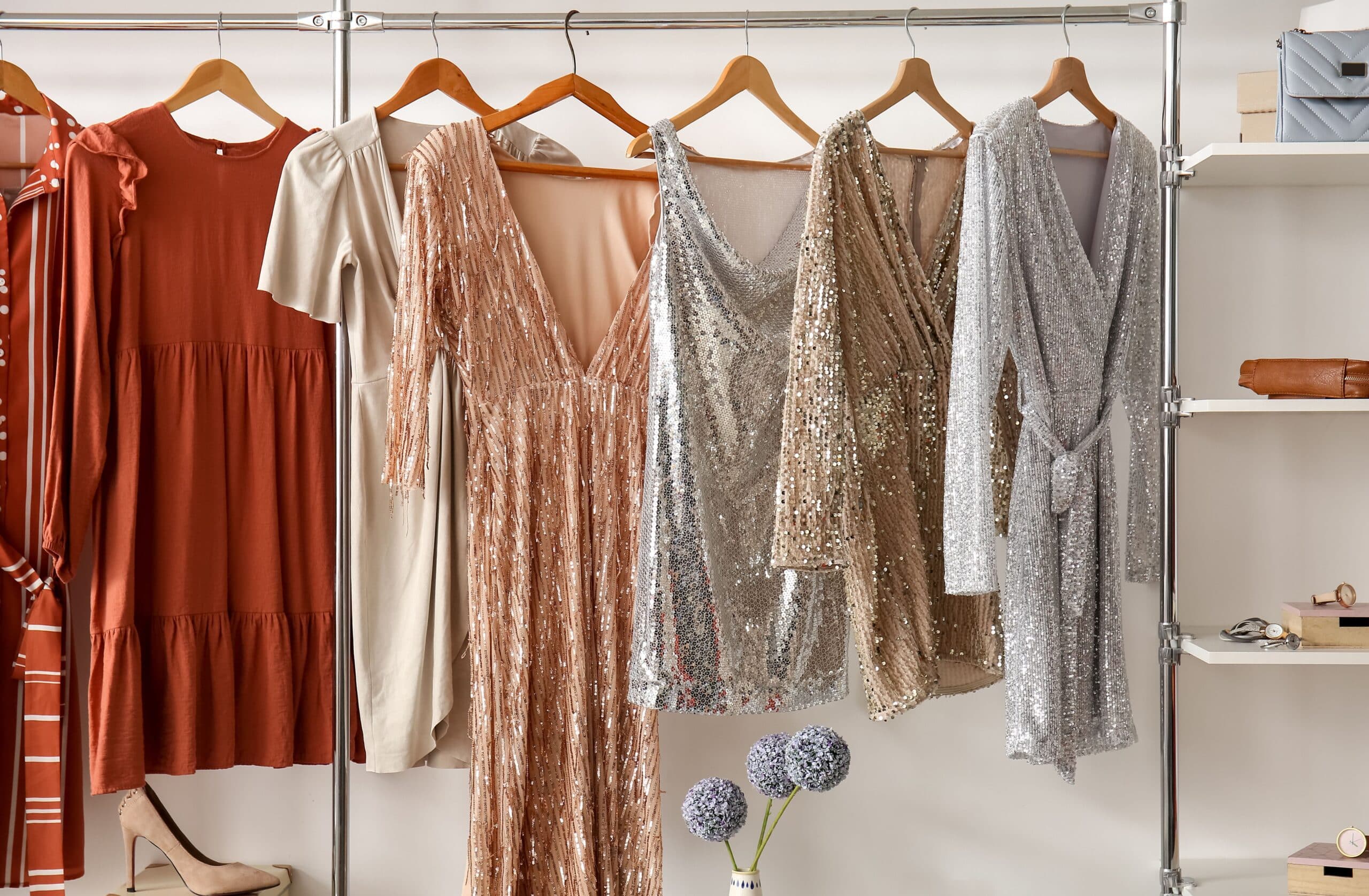
5+ Top private label dress manufacturers
Wonnda works with the best private label dress manufacturers. Here is a list of trusted suppliers from our network.
Tebesa UAB
4.7Private LabelContract ManufacturingLithuania-based manufacturer producing knitted apparel, crocheted apparel, men's knitwear, available to brands sourcing dress.
- Country
- Lithuania
- MOQ
- Lead time
 Private LabelContract Manufacturing
Lithuania-based manufacturer producing linen pants (men's classic), stonewashed linen bedding sets, gauze linen fabric, available to brands sourcing dress.
- Country
- Lithuania
- MOQ
- Lead time
 Private LabelContract Manufacturing
Europe-based manufacturer producing t-shirts, hoodies, jackets, available to brands sourcing dress.
- Country
- -
- MOQ
- Lead time
 Private LabelContract Manufacturing
Europe-based manufacturer producing 70 gsm ultra-light mesh fabric, cotton garments, polyester garments, available to brands sourcing dress.
- Country
- -
- MOQ
- Lead time
 Private LabelContract Manufacturing
Europe-based manufacturer producing men's t-shirts, polo shirts, sweatshirts, available to brands sourcing dress.
- Country
- -
- MOQ
- Lead time
Compare MOQs and lead times
Quick side-by-side of the shortlist. Missing values shown as a dash.
| Supplier | Location | Types | MOQ | Lead time |
|---|---|---|---|---|
| Tebesa UAB | Lithuania | PL · CM | ||
| Epic Linen | Lithuania | PL · CM | ||
| Create Fashion Brand | - | PL · CM | ||
| FUSH | - | PL · CM | ||
| Mantoni | - | PL · CM |
Buyer criteria
- Pattern and grading accuracy
Confirm the factory grades a dress properly, scaling bust, waist, and hip independently rather than uniformly, so every size fits like the sample. Order fit samples in more than one size to check. A dress that fits the sample model but not the graded sizes drives high returns, so grading competence is the single most important dress-specific capability to verify before bulk.
- Fabric drape and weight
Verify the fabric matches the specified weight, fiber, and stretch and drapes as intended, since drape defines a dress. Request a fabric swatch and a sample in the actual fabric, not a substitute. A heavier or stiffer fabric than specified kills the intended silhouette, and a lighter one can turn opaque, so fabric verification is central to dress quality.
- Fit consistency across sizes
Check that fit holds across the whole range by approving multi-size fit samples, not just the sample size. Returns in dresses cluster around fit at specific sizes where grading went wrong. A factory that only samples one size is hiding grading risk, so insist on seeing the smallest and largest sizes fitted before committing to production.
- Lining, finishing and seam quality
Inspect the lining hang, seam finishing, dart and pleat formation, and the zip. A twisting lining, puckered waist seam, or a visible bulky zip cheapens a dress instantly. These finishing details separate a well-made dress from a fast-fashion one, so examine them closely on a production-representative sample under good light.
- Print and pattern matching
For printed, striped, or checked dresses, confirm the factory matches the pattern across seams and at the center front. Mismatched stripes at a seam or a print broken awkwardly across the bust looks careless and cheap. Specify pattern-matching requirements in the tech pack and check them on samples, since this adds fabric and labor that a low quote may have skipped.
- Fabric and chemical compliance
Confirm the fabric meets REACH limits on azo dyes and, where claimed, carries OEKO-TEX certification, with accurate fiber-content and care labeling. A dress contacts skin extensively, so chemical compliance matters, and mislabeled fiber content is a legal risk. Request the fabric certificate and a chemical test, and verify the care label survives the wash test for the actual fabric.
Red flags
- Only the sample size fitted
A factory that samples and fits only one size is hiding whether its grading works across the range. Dress returns concentrate at sizes where grading failed, so approving only the sample size means discovering fit problems after bulk ships. Insist on fit samples at the extremes of the size run, since grading is the most common and costly dress failure.
- Substituted or vague fabric
A quote that will not pin down fabric weight, fiber, and stretch, or that substitutes a cheaper cloth, changes the drape and can turn the dress opaque or stiff. Because fabric defines a dress and yardage is high, this is where margin is quietly cut. Demand the exact fabric spec and a sample in the real cloth before approving anything.
- Twisting lining or puckered seams
A lining that twists around the body or waist seams that pucker signal poor construction and pattern work. These flaws are obvious in wear and make a dress feel cheap regardless of the fabric. If a sample shows them, the factory lacks the finishing discipline a dress needs, and the defect will repeat across the run.
- No fabric certification or fiber labeling
A supplier that cannot provide REACH or OEKO-TEX documentation, or that is loose about fiber content, exposes you to both chemical-compliance and mislabeling liability on a skin-contact garment. Accurate fiber-content and care labels are a legal requirement. Treat missing fabric compliance and vague fiber claims as disqualifying for a dress sold in regulated markets.
Manufacturing process
- 01
Tech pack and pattern
The design is documented in a tech pack with measurement points, tolerances, construction, trims, and fabric spec, then a pattern maker drafts the base pattern in the sample size. For a dress this must account for bust, waist, and hip together plus drape. Pattern accuracy here determines fit, since a flawed block repeats across the whole size run.
- 02
Fabric and trim sourcing
The fabric is sourced to the specified weight, fiber, and stretch, with lining, interfacing, zips, and buttons. Fabric is inspected for weight, hand, and shade consistency, since a dress uses high yardage and a substituted weight changes drape entirely. Shade lots are matched so panels and linings do not differ across the garment.
- 03
Sampling and fit approval
A first sample and fit samples are made and tried on a fit model or form, then adjusted until the dress fits and drapes correctly in the sample size. Fit comments are returned and re-sampled. This loop is the heart of dress development, since a dress shows fit problems at the bust, waist, and hip that a simpler garment hides.
- 04
Grading and marker making
The approved pattern is graded across the size range, scaling bust, waist, and hip proportionally rather than uniformly, then a marker is laid to nest pattern pieces efficiently on the fabric. Grading quality decides whether every size fits as well as the sample, and a good marker controls fabric waste on a high-yardage garment.
- 05
Cutting
Fabric is spread in layers and cut to the marker by die or automated cutter, with pattern matching for prints and stripes where required. Slippery fabrics like satin and chiffon need careful spreading to avoid distortion. Accurate cutting controls how cleanly seams align and how consistent each dress is across the run.
- 06
Sewing and assembly
Panels are sewn with the specified seams, darts and pleats formed, the lining constructed and attached, and the zip or closures set. A dress demands clean seam finishing, an invisible zip that lies flat, and a lining that hangs without twisting. Stitch quality at the waist seam and zip is where construction quality shows most.
- 07
Finishing, QC and packing
Threads are trimmed, the dress is pressed to set seams and drape, then inspected against the tech pack for measurements, seam quality, zip function, and lining hang. Care and fiber-content labels are checked. Dresses are folded or hung, polybagged, and packed with lot codes, ready for retail or D2C dispatch.
Understanding dress private-label manufacturing
Dress Manufacturing Complexity
A dress is a challenging garment to private label due to its complex fit requirements across the bust, waist, and hip simultaneously. Grading these proportions accurately across a size run is a common hurdle for new brands. Unlike simpler garments, a dress involves drape, structure, and often a lining, making pattern work and fabric selection critical.
The manufacturing process begins with a detailed tech pack. This includes a flat sketch, precise measurement points and tolerances for every size, specifications for seam and finishing construction, trim details (zips, hooks, buttons), and fabric and lining specifications.
Materials and Construction
Fabric significantly influences the character of a dress. Viscose or crepe offer a fluid drape, while cotton poplin or twill provide structure for A-line shapes. Jersey knits offer stretch and a forgiving fit, and satin or chiffon are common for eveningwear, each with unique handling requirements. Patterns designed for stable wovens will not work with stretch knits.
Linings, facings, and interfacing are essential for a finished, opaque feel, preventing a cheap or clingy appearance. The fabric weight (GSM), fiber blend, and stretch content must be specified, not left to the factory.
MOQs and Lead Times
Minimum Order Quantities (MOQs) for cut-and-sew dresses typically range from 100 to 300 units per style and color. These MOQs can be higher for more complex constructions or custom prints. A first production run generally takes 60 to 120 days, encompassing fabric sourcing, sampling, and fit approval.
Cost is primarily driven by fabric, as dresses require more yardage than most tops. Construction complexity – including linings, zips, pleats, and detailing – adds to labor costs. Trims and finishing also contribute to the overall cost, with custom prints or dyeing incurring separate costs and minimums.
Manufacturing Locations and Quality
For the European market, dress manufacturing often utilizes Turkey and Portugal for quality cut-and-sew production, offering shorter lead times and easier audits. Italy is a source for premium and eveningwear. China, Bangladesh, India, and Vietnam provide volume across various price tiers.
Compliance requirements include REACH limits on azo dyes and OEKO-TEX standards for fabric, along with accurate fiber-content and care labeling. When selecting a manufacturing partner, prioritize pattern and grading accuracy, fit consistency across the size run, fabric and drape quality, and finishing on seams and linings. Focusing solely on the lowest unit price can lead to high return rates, which negatively impact profit margins in fashion, especially when dresses fit sample models but not graded sizes, or have twisting linings and puckering seams.
Frequently asked questions
Why is fit grading so important for dresses specifically?+
How does fabric choice change my dress?+
What MOQ and lead time should I expect for dresses?+
Do my dresses need linings, and what do they do?+
How do I make sure printed or striped dresses look right?+
What compliance and labeling do dresses need?+
Explore adjacent product types
Get a vetted shortlist of dress suppliers in 48 hours.
Post a brief on Wonnda. Free, no commitment. We match you with vetted manufacturers that fit your MOQ, format and market.