
Best private label tote bag manufacturers
Shortlist private label tote bag suppliers on Wonnda. Sourcing for these versatile carry bags involves key decisions around fabric weight and type, with options like GOTS-certified organic cotton or durable canvas being popular choices. Considerations also include handle attachment methods, print quality for branding, and whether the bag will serve as retail packaging, merchandise, or promotional material. Lead times can vary based on the complexity of design and chosen materials.
- Vetted suppliers
- 20,000+
- Brands & buyers
- 25,000+
- EU-made
- 80%
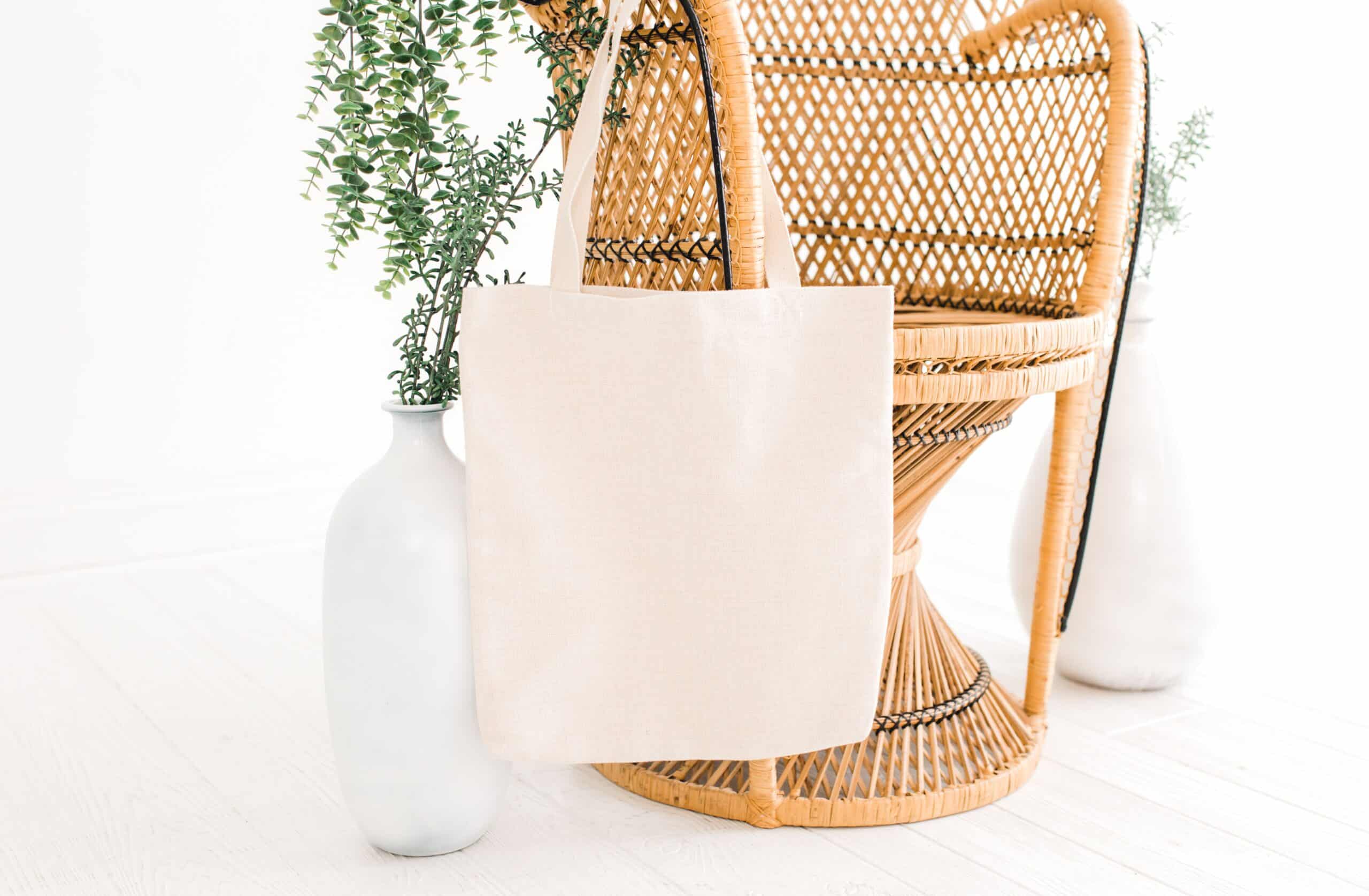
6+ Top private label tote bag manufacturers
Wonnda works with the best private label tote bag manufacturers. Here is a list of trusted suppliers from our network.
 Private LabelContract Manufacturing
Poland-based manufacturer producing woven labels, printed labels, embroidered patches, available to brands sourcing tote bag.
- Country
- Poland
- MOQ
- Lead time
 Private LabelContract Manufacturing
Europe-based manufacturer producing non-woven bags, non-woven bags, non-woven bags, available to brands sourcing tote bag.
- Country
- -
- MOQ
- Lead time
 Private LabelContract Manufacturing
Europe-based manufacturer producing t-shirts, hoodies, tote bags, available to brands sourcing tote bag.
- Country
- -
- MOQ
- Lead time
 Private LabelContract Manufacturing
Europe-based manufacturer producing cotton tote bags, drawstring bags, jewellery pouches, available to brands sourcing tote bag.
- Country
- -
- MOQ
- Lead time
 Private LabelContract Manufacturing
Europe-based manufacturer producing custom cotton tote bags, drawstring bags, custom backpacks, available to brands sourcing tote bag.
- Country
- -
- MOQ
- Lead time
 Private LabelContract Manufacturing
Europe-based manufacturer producing reusable cotton tote bags, organic cotton tote bags, recycled cotton tote bags, available to brands sourcing tote bag.
- Country
- -
- MOQ
- Lead time
Compare MOQs and lead times
Quick side-by-side of the shortlist. Missing values shown as a dash.
| Supplier | Location | Types | MOQ | Lead time |
|---|---|---|---|---|
| Isbilir Promosyon - Istanbul Promotions | Poland | PL · CM | ||
| Non Woven Bag | - | PL · CM | ||
| DTB Europe | - | PL · CM | ||
| Natura | - | PL · CM | ||
| The Cotton Bag Company | - | PL · CM | ||
| Marts Bags | - | PL · CM |
Buyer criteria
- Fabric weight and quality
Canvas weight in ounces or cotton GSM defines whether a tote feels premium or like a giveaway, so confirm the exact weight and handle a sample, since a thin tote reads as cheap and sags under load. Heavier canvas, often 10 to 16 oz, feels substantial and durable. The fabric weight is the first thing a customer judges by feel, so it is the foundation of a tote worth keeping.
- Handle attachment strength
Handle attachment is the number-one failure point on a tote, since the handles bear all the carried weight, so verify the handles are reinforced with box-X or bar-tack stitching and load-test a sample. A tote that tears at the handle is useless regardless of how the fabric and print look. Strong handle stitching is the single most important durability criterion for a carry bag.
- Print durability
The print is usually the whole point of a branded tote, so it must survive use and washing without cracking, peeling, or fading. Wash or rub-test the decoration on a sample, since a screen print that cracks turns a branded tote into a damaged one. Confirm the print method and ink suit the fabric, because print durability directly determines how long the branding the tote exists to carry actually lasts.
- Eco-claim documentation
Totes are frequently sold on an organic, recycled, or reusable eco story, so any organic claim needs GOTS certification and recycled-cotton claims need recycled-content backing, traceable to the actual fabric. Ask for the certificate, since unbacked eco claims are greenwashing and a liability, and they undermine the responsible positioning that is often the tote's main selling point to a values-driven audience.
- Construction extras and finish
Gussets, linings, internal pockets, and zip tops move a tote up the quality ladder, so confirm the supplier can build the extras your design needs and that seams are finished to prevent fraying. Inspect these on a sample, since fraying seams and a missing or poorly attached gusset signal a cheap build. The finish details determine whether the tote feels like a considered product or a basic blank.
Red flags
- Weak handle attachment
If the handles are attached with simple straight stitching and no box-X or bar-tack reinforcement, they will tear off under load, the most common tote failure. A supplier that does not reinforce handle joins is building a bag that fails the first time it carries real weight. Since the handle is what makes a tote usable, weak handle attachment is a disqualifying construction fault.
- Thin fabric sold as premium
A tote sold as quality canvas with no weight specified, or a thin lightweight cotton dressed up with marketing, will feel like a giveaway and sag under load. Fabric weight is the measurable spec that defines tote quality, so a supplier unwilling to state the canvas ounces or GSM, or pushing thin fabric as premium, is hiding the most important quality variable a customer feels immediately.
- Print cracks or fades in testing
If the screen or transfer print cracks, peels, or fades in a wash or rub test, the branding degrades quickly and the tote's whole purpose is undermined. A supplier reluctant to test print durability, or whose samples crack, cannot deliver lasting branding. Since the print is usually why the tote exists, a decoration that fails use is a serious fault rather than a cosmetic one.
- Unbacked organic or recycled claims
Organic or recycled cotton claimed without GOTS or recycled-content certification traceable to the fabric is greenwashing, and it is especially damaging on a product sold to a values-driven audience on its eco credentials. A supplier advertising organic or recycled with no certificate is asking the brand to repeat an unverifiable claim, which is a liability and undermines the tote's core positioning.
Manufacturing process
- 01
Spec and fabric definition
The brand defines the fabric and weight in canvas ounces or GSM, the dimensions, handle type and length, any gusset, lining, or pocket, and the decoration. Fabric weight is the headline decision because it sets whether the tote reads as a giveaway or a keeper. The print method and placement are documented so the factory plans the build around them.
- 02
Fabric sourcing
Cotton canvas, lighter cotton, recycled cotton, jute, or non-woven polypropylene is sourced to the weight and composition spec, with organic cotton sourced against GOTS documentation. Natural or unbleached cotton is selected where the eco and craft story calls for it. The fabric weight and any certification are confirmed at this stage since they drive both cost and the product's positioning.
- 03
Cutting
Fabric is cut to the tote panels and the handle straps, whether webbing or self-fabric. For a basic tote this is a simple operation, but accurate cutting ensures the panels and gusset align and the finished bag holds its intended shape and dimensions. Handle strap lengths are cut consistently so the pair matches on the finished tote.
- 04
Handle attachment and reinforcement
The handles are attached to the body, ideally with reinforced stitching such as a box-X or bar-tack at the join, because handle attachment is the number-one failure point on a tote that carries weight. Strong handle stitching is what separates a durable tote from one that tears at the strap. This operation is the critical durability step in tote construction.
- 05
Body assembly
The body panels are sewn, the gusset is set where the tote has depth, and any lining, internal pocket, or zip top is constructed and attached. Seams are finished to prevent fraying, which is a common weakness on cheaper cotton totes. The assembly order builds in any structural extras before the bag is closed and turned.
- 06
Printing and decoration
Branding is applied by screen print, the most common and cost-effective method for totes, or by all-over print, heat transfer, or embroidery depending on the design. Decoration is often done before or after assembly depending on placement and method. Print durability against washing and abrasion is the concern, since a cracking print ruins the branded surface that is the tote's whole point.
- 07
Quality control and strength check
Totes are checked for handle attachment strength, seam quality, dimensions, print registration and durability, and cosmetic defects under AQL sampling. Handle strength is tested by loading because it is the primary failure mode, and print durability is wash or rub tested. A tote that passes a loaded handle test and a print test is ready to carry weight and survive use.
Understanding tote bag private-label manufacturing
Introduction to Tote Bags
A tote bag is a flat, open-top carry bag, typically made from a single fabric panel folded with two handles. It is a highly accessible product within the bags category, making it a workhorse for merchandise, retail packaging, and promotional programs.
For private label brands, the tote is approachable due to its basic construction and low minimum order quantities (MOQs). However, the apparent simplicity belies decisions that differentiate a durable tote from one that frays and sags, including fabric weight measured in GSM or canvas ounces, handle attachment, and print quality. The initial sourcing decision revolves around fabric and weight; a flimsy, thin cotton tote may feel like a giveaway, while a heavy canvas tote conveys a sense of lasting value.
Materials and Construction
Totes are primarily categorized by their fabric. Cotton canvas is a classic choice, specified by weight, often ranging from 8 to 16 oz, with heavier canvas indicating higher quality. Natural or unbleached cotton supports eco-friendly and craft narratives. Lighter cotton and recycled-cotton totes are suitable for budget and promotional applications. Non-woven polypropylene totes are a cost-effective option for reusable shoppers.
Jute and juco fabrics offer a rustic, premium aesthetic. Critical construction details include the handle webbing or self-fabric strap and the security of its stitching, as handle attachment is a common failure point. Additional features such as a gusset for depth, a lining, an internal pocket, or a zip top can elevate the tote's quality and price.
Manufacturing, MOQs, and Lead Times
Tote bag manufacturing is widely available globally. India is a dominant hub for cotton and canvas totes, known for its strong eco-cotton supply. China excels in volume production, non-woven options, and complex tote designs. Bangladesh produces cotton totes at lower costs. Turkey and Portugal serve European production needs, offering nearer-shore options.
Minimum Order Quantities (MOQs) for totes are low by accessories standards. Custom-printed totes often have MOQs around 300 to 500 units, with simpler screen-printed blanks sometimes having even lower minimums, due to straightforward construction and screened main setup. Lead times typically range from 30 to 60 days.
Cost Drivers and Certifications
Costs are primarily driven by fabric type, with heavy canvas and organic cotton being more expensive than thin or recycled blends. Print or decoration also influences cost, where a single screen print is economical, but an all-over print or embroidery costs more. Construction extras, such as gussets, linings, pockets, or zips, also add to the price, as does packaging.
Certifications are significant selling points for tote bags. These include GOTS for organic cotton, OEKO-TEX STANDARD 100 for substance safety, and recycled-content backing for recycled-cotton claims. Totes are frequently marketed with an eco-friendly and reusable message that requires proper substantiation. Brand founders qualifying a partner should check handle attachment and stitching, confirm canvas weight, and verify any organic or recycled claims. A tote that frays at the handle or carries an unsubstantiated eco claim undermines the desired impression of durability and responsibility.
Frequently asked questions
What fabric weight should my tote bag be?+
Why do tote handles tear off, and how do I prevent it?+
What MOQ and lead time should I expect for custom totes?+
How do I make sure my tote print lasts?+
How do I back up an organic or recycled tote claim?+
What construction extras can upgrade a basic tote?+
Get a vetted shortlist of tote bag suppliers in 48 hours.
Post a brief on Wonnda. Free, no commitment. We match you with vetted manufacturers that fit your MOQ, format and market.