
Best private label socks manufacturers
Source private label socks suppliers through Wonnda. Socks are circular-knit products, meaning the manufacturing process revolves around specialized knitting machines whose needle count dictates the fineness of the finished sock. Manufacturers will inquire about desired needle counts early, as these machines determine the sock's texture, ranging from fine dress socks to coarser athletic or boot socks. Yarn selection, such as combed cotton, merino, or bamboo, also significantly impacts the product's character, affecting feel, durability, and performance properties. Certifications like OEKO-TEX for yarn ensure material safety and sustainability.
- Vetted suppliers
- 20,000+
- Brands & buyers
- 25,000+
- EU-made
- 80%
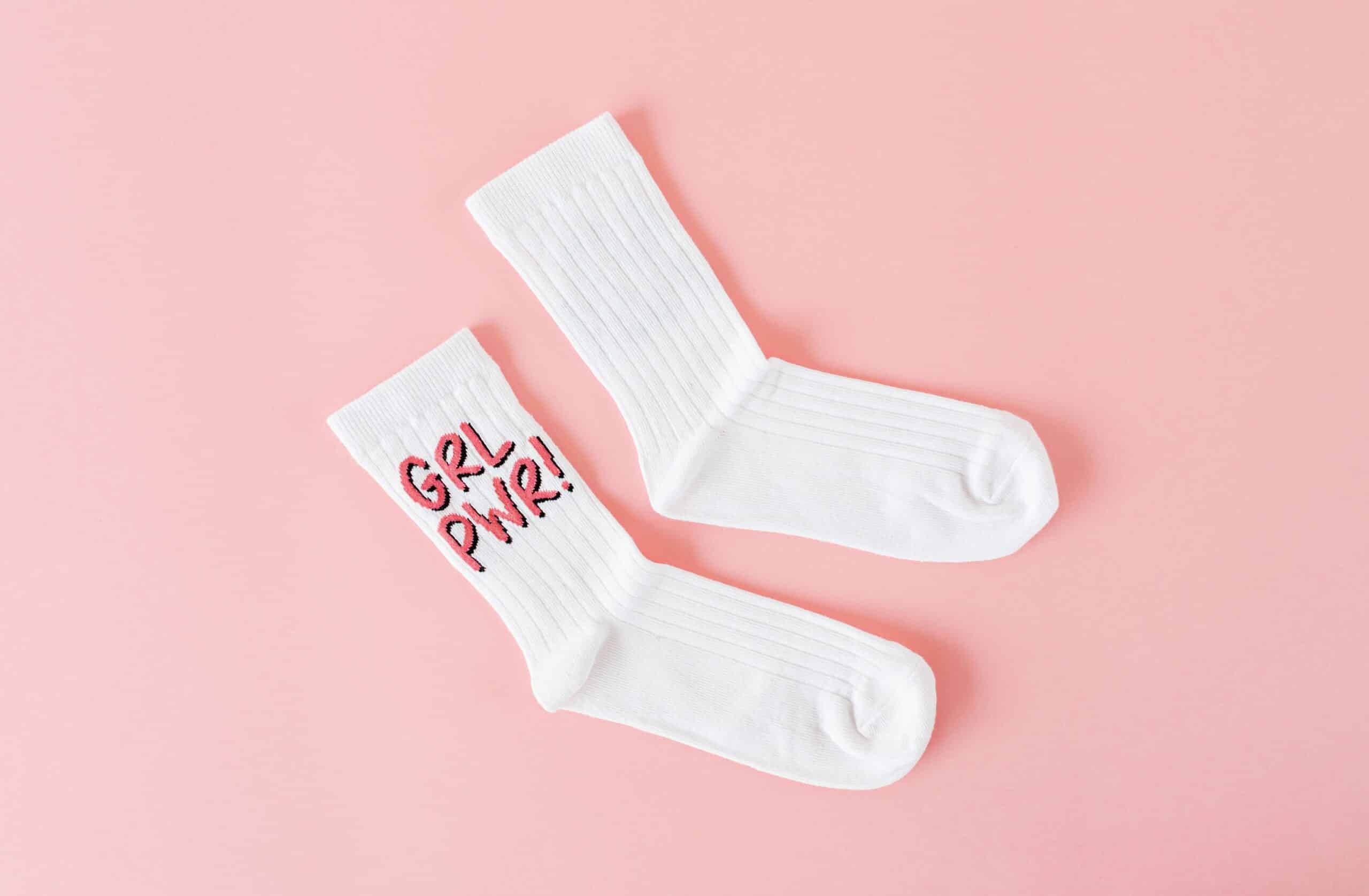
5+ Top private label socks manufacturers
Wonnda works with the best private label socks manufacturers. Here is a list of trusted suppliers from our network.
 Private LabelContract Manufacturing
Europe-based manufacturer producing private label socks, custom socks, knitted socks, available to brands sourcing socks.
- Country
- -
- MOQ
- Lead time
 Private LabelContract Manufacturing
Europe-based manufacturer producing private label socks, boutique fashion socks, coolmax yarn socks, available to brands sourcing socks.
- Country
- -
- MOQ
- Lead time
 Private LabelContract Manufacturing
Poland-based manufacturer producing woven labels, printed labels, embroidered patches, available to brands sourcing socks.
- Country
- Poland
- MOQ
- Lead time
 Private LabelContract Manufacturing
Europe-based manufacturer producing private label socks, custom bulk socks, sport socks, available to brands sourcing socks.
- Country
- -
- MOQ
- Lead time
 Private LabelContract Manufacturing
Europe-based manufacturer producing custom-designed socks, end-to-end sock production, ready-to-ship socks, available to brands sourcing socks.
- Country
- -
- MOQ
- Lead time
Compare MOQs and lead times
Quick side-by-side of the shortlist. Missing values shown as a dash.
| Supplier | Location | Types | MOQ | Lead time |
|---|---|---|---|---|
| Pingons | - | PL · CM | ||
| Walknes | - | PL · CM | ||
| Isbilir Promosyon - Istanbul Promotions | Poland | PL · CM | ||
| Sox Europe | - | PL · CM | ||
| Sparta Socks | - | PL · CM |
Buyer criteria
- Yarn quality and certification
Confirm the exact yarn and its certification, since OEKO-TEX is a common buyer baseline and GOTS is needed for organic cotton claims. Combed versus carded cotton, merino grade, and bamboo source all affect softness and durability. Request the yarn spec and certificate, because a downgraded yarn is invisible at first touch but shows up as pilling and roughness after a few washes.
- Toe-seam construction
Verify whether toes are hand-linked or seamless versus a bulky rosso seam, and match it to your positioning. A ridged toe seam rubs against the toes in shoes and is a frequent comfort complaint. For performance and premium socks, a flat hand-linked or seamless toe is worth the cost, so inspect the seam on samples and wear-test it inside a shoe.
- Elastane recovery and shape retention
Check that the sock holds its shape and grips the leg through repeated wear and washing. Too little elastane and the cuff sags around the ankle, too much and it digs in. Wash-test samples and check the cuff still grips, since loss of recovery is a fast, obvious failure that makes a sock feel cheap and worn out quickly.
- Knit consistency and density
Inspect the knit for even tension and no thin patches or dropped stitches, and confirm the density matches the intended weight, fine dress versus cushioned sport. Uneven knitting causes baggy ankles and weak spots that wear into holes. Review production samples rather than a hand-finished prototype, since knit consistency is what separates a durable sock from one that fails early.
- Sizing accuracy and boarding
Confirm the finished sock sizes are accurate and consistent after boarding, since socks that run small or large or vary pair to pair frustrate customers and drive returns. Boarding sets the final shape, so check that pairs match in length and size. Provide a clear size grading and verify it on production units rather than trusting the sample alone.
Red flags
- Bulky rosso toe seam sold as comfort sock
A sock marketed for comfort or performance that has a bulky automated rosso toe seam will rub the toes inside a shoe. If samples show a ridged seam where a flat hand-linked or seamless toe is implied, the factory is cutting finishing cost. Wear-test the toe in a shoe, because a rubbing seam is a daily irritation that generates returns.
- Vague or downgraded yarn
A quote that will not name the yarn type, grade, and certification is likely substituting carded for combed cotton or a lower merino grade. The downgrade hides at first touch but pills and roughens after washing. Demand the yarn spec and OEKO-TEX or GOTS documentation, since the yarn is most of what makes a sock feel good against skin all day.
- Poor elastane recovery in wash tests
Socks whose cuffs sag and that lose their grip after a few washes have the wrong elastane content or quality. This is a fast, visible failure that makes a brand feel cheap. If wash-tested samples no longer grip the ankle, the construction is wrong, and no amount of attractive design compensates for a sock that will not stay up.
- Uneven knit or mismatched pairs
Thin patches, dropped stitches, or pairs that differ in length and size signal weak knit and finishing control. Uneven knitting wears into holes and mismatched pairs are obvious to customers. Reject samples with visible knit defects or pairing inconsistency, since these flaws multiply across a production run that ships in multipacks where every pair is seen.
Manufacturing process
- 01
Yarn selection and needle count
The brand fixes the yarn (combed cotton, merino, bamboo, synthetic blend) and the machine needle count that sets knit fineness, from fine dress socks at high needle counts to chunky sport socks at coarse ones. Elastane is added for recovery. These two choices define the sock's feel and durability before any pattern is designed.
- 02
Knitting program and design
The pattern, ribbing, jacquard, logo, and reinforced zones are programmed into the circular knitting machine. Intricate jacquard or multi-color designs slow the machine and raise cost. The program also defines cushioning, terry loops, and arch bands, which are knitted in as part of the structure rather than added afterward.
- 03
Circular knitting
The machine knits each sock as a tube from cuff to toe, forming the rib cuff, leg, heel pocket, foot, and toe opening in one continuous run. Knit tension and consistency are watched, since loose or uneven knitting causes baggy ankles or thin patches. The toe is left open at this stage for closing in the next step.
- 04
Toe closing
The open toe is closed by hand-linking for a flat, comfortable seamless feel or by an automated rosso seam that is faster but bulkier. Toe-seam comfort is a key quality marker, since a bulky or ridged seam rubs against the toes in shoes. Hand-linked or seamless toes command a premium and matter for performance and premium socks.
- 05
Boarding and finishing
Socks are pulled onto foot-shaped forms and steam-boarded to set their final shape and size, then washed if specified. Boarding gives the crisp, paired, retail-ready look and locks in dimensions. Any further treatments, anti-odor or moisture-wicking finishes, are applied here according to the spec.
- 06
Quality control and packing
Socks are inspected for knit defects, holes, correct size and length, elastane recovery, and toe-seam quality, then paired and matched. Yarn certification such as OEKO-TEX is documented. Pairs are banded, tagged, or packed into multipack sleeves and boxes with lot codes, ready for retail or D2C fulfillment.
Understanding socks private-label manufacturing
Materials and Construction
Socks are created through knitting, distinguishing their manufacturing process from most other apparel items. The foundational specification is the needle count of the circular knitting machines, which dictates the fineness of the knit. For example, a 200-needle machine produces fine dress socks, while coarser 96 or 108 needle machines are used for chunky boot or sport socks. The choice of knitting machine and yarn are critical initial decisions, shaping the product's character before design discussions begin.
Yarn selection is equally vital. Combed cotton blends are common for everyday socks, offering softness and breathability. Merino wool is preferred for hiking and warmth, while bamboo and modal provide a soft, sustainable option. Synthetic blends with nylon and elastane enhance durability and stretch. A small amount of elastane is typically included in almost every sock to ensure shape retention and recovery.
Construction details like the cuff, heel, and toe are as important as the foot itself. A hand-linked or seamless toe offers comfort, in contrast to a bulky rosso seam which can cause rubbing. Various knit-in features, such as cushioning, terry loops, arch support bands, and reinforced heel and toe zones, are specified at the outset rather than being added later in the process.
MOQs and Lead Times
Minimum Order Quantities (MOQs) for socks are generally specified per design and color, often beginning at 500 to 1,000 pairs. The MOQ can increase for custom jacquard patterns and custom packaging. A first production run, including knitting setup and sampling, typically requires a lead time of 6 to 10 weeks.
The primary factor influencing cost is the yarn, with merino and organic cotton being significantly more expensive than standard combed cotton. Needle count and pattern complexity also affect cost, as intricate jacquard designs can slow down the knitting machine. Finishing steps, like hand-linked toes and boarding, contribute to the overall cost, with custom packaging being a separate line item.
Where it's Made
Sock manufacturing is concentrated in several key regions. Turkey is a dominant hub serving the European market. Italy is noted for premium and dress socks, alongside Portugal. China, and increasingly Pakistan and India, are prominent for high-volume production.
Quality and Certifications
Private label sock buyers represent diverse market segments, including D2C basics and subscription brands, sport and performance labels, sustainable and bamboo-sock brands, gifting and novelty ranges, retailer multipacks, and apparel brands. OEKO-TEX certification for yarn is a common requirement from buyers, and GOTS certification is sought for organic cotton claims.
When qualifying a manufacturing partner, focus on factors such as knit consistency, toe-seam comfort, elastane recovery, and yarn certification, rather than solely on the lowest per-pair price. Socks that lose their stretch, pill, or cause rubbing at the toe seam are visible and quick failures for a product worn against bare skin throughout the day.
Frequently asked questions
What needle count do I need for my socks?+
Which yarn should I choose for my sock brand?+
What is the difference between a hand-linked and a rosso toe seam?+
What MOQ and lead time should I expect for socks?+
Why do my socks lose their shape or fall down?+
What certifications do buyers expect on socks?+
Explore adjacent product types
Get a vetted shortlist of socks suppliers in 48 hours.
Post a brief on Wonnda. Free, no commitment. We match you with vetted manufacturers that fit your MOQ, format and market.