
Best private label scented candles manufacturers
Source private label scented candles suppliers through Wonnda. Scented candles require careful calibration of wax, fragrance oil, and wick to ensure proper burn and scent throw. Key variables include the type of wax, such as soy or coconut, the fragrance concentration, and wick selection to prevent issues like tunneling or excessive smoke. Ensuring compliance with safety standards for flammability and composition is also a critical consideration during the sourcing process. Lead times can vary depending on custom formulations and material availability.
- Global scented candles market — projected to reach 3.47 billion USD by 2033
- 2.24 billion USD
- Scented candles CAGR — growth driven by home fragrance and self-care demand
- 5.2%
- Container candle share — container format leads over pillar and votive for scented candles
- 57.6%
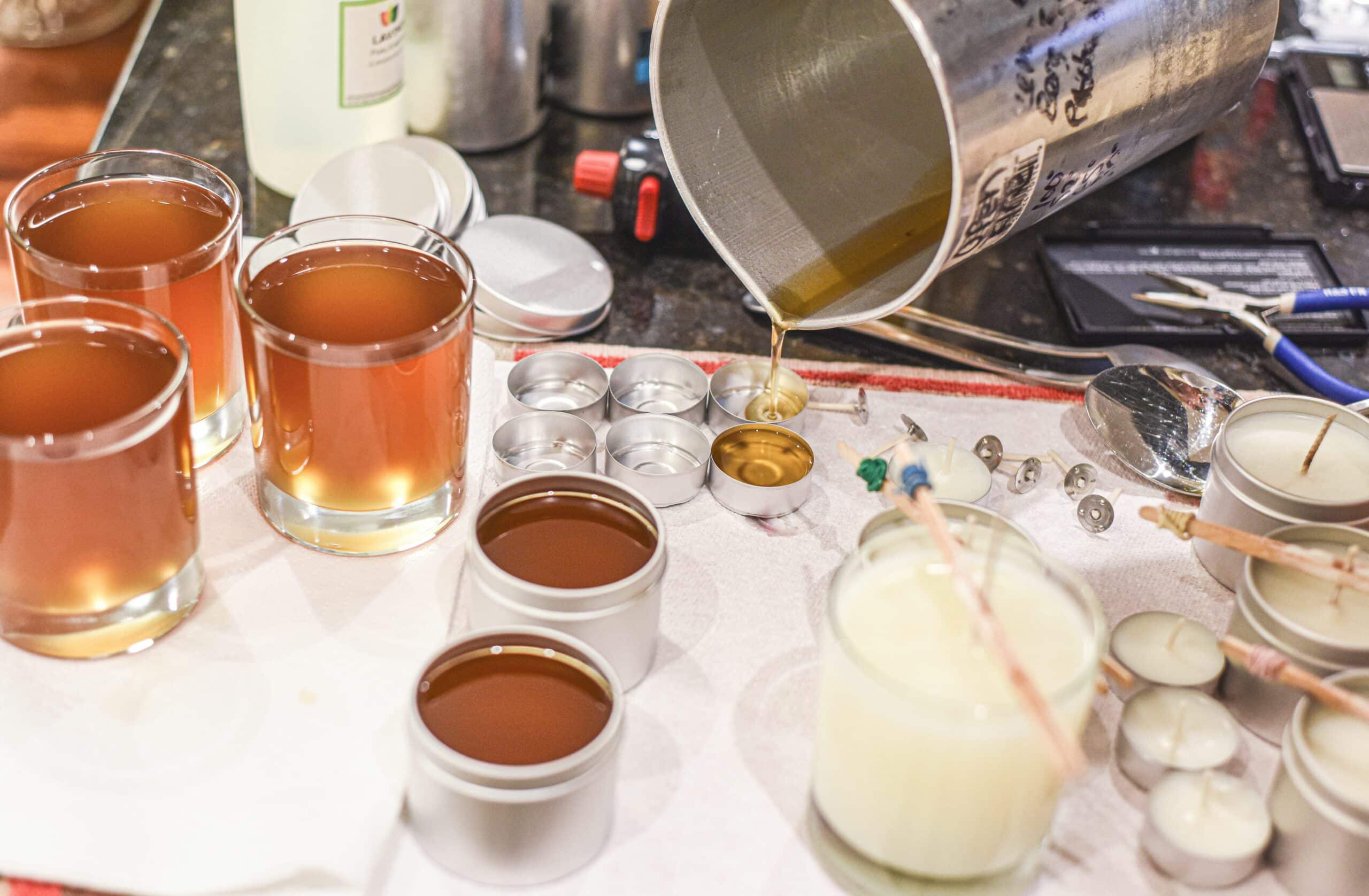
6+ Top private label scented candles manufacturers
Wonnda works with the best private label scented candles manufacturers. Here is a list of trusted suppliers from our network.
 Private LabelContract Manufacturing
UK-based manufacturer producing scented soy candles, reed diffusers, room sprays, available to brands sourcing scented candles.
- Country
- UK
- MOQ
- Lead time
 Private LabelContract Manufacturing
Belgium-based manufacturer producing botanique candle, rain forest candle, golden hour candle, available to brands sourcing scented candles.
- Country
- Belgium
- MOQ
- Lead time
 Private LabelContract Manufacturing
Europe-based manufacturer producing poured scented candles, molded scented candles, reed diffusers, available to brands sourcing scented candles.
- Country
- -
- MOQ
- Lead time
 Private LabelContract Manufacturing
Europe-based manufacturer producing handmade candles, room fragrance products, private label candle lines, available to brands sourcing scented candles.
- Country
- -
- MOQ
- Lead time
 Private LabelContract Manufacturing
Germany-based manufacturer producing letting go candle, inner light candle, manifesting dreams candle, available to brands sourcing scented candles.
- Country
- Germany
- MOQ
- Lead time
 Private LabelContract Manufacturing
Europe-based manufacturer producing premium scented candles, home fragrance products, available to brands sourcing scented candles.
- Country
- -
- MOQ
- Lead time
Compare MOQs and lead times
Quick side-by-side of the shortlist. Missing values shown as a dash.
| Supplier | Location | Types | MOQ | Lead time |
|---|---|---|---|---|
| The Country Candle Co. | UK | PL · CM | ||
| Feu des Fleurs | Belgium | PL · CM | ||
| BLF | - | PL · CM | ||
| Pernici | - | PL · CM | ||
| Nava Candles | Germany | PL · CM | ||
| Wiera | - | PL · CM |
Buyer criteria
- Burn testing across the full candle life
Confirm the maker burn-tests each wax, fragrance, wick and vessel combination over the candle's entire lifespan, not just the first hour. Tunneling, excess soot and overheating often appear late in the burn. Ask to see burn-test records and a candle burned to the base. A maker who approves recipes on a short test, or cannot show full-life data, is shipping candles whose safety and burn quality are unproven, which is where returns and liability originate.
- Wick engineering for the specific build
Verify the wick is sized to your exact wax, fragrance load and vessel diameter rather than carried over from another candle. A wick mismatch causes tunneling or smoking regardless of how good the wax and fragrance are. Ask how many wick options they tested for your build. A maker who defaults to one wick across different vessels and loads has not done the engineering that a clean, even burn actually requires.
- Fragrance throw, cold and hot
Test both the cold throw (the scent from an unlit candle) and the hot throw (the scent when burning) on production-representative, fully cured candles, because throw is what customers judge. A spec sheet cannot convey throw. Confirm the fragrance load and the cure time behind the samples. A candle that smells strong in the jar but weak when lit, or vice versa, fails the core promise, so throw must be experienced, not assumed.
- Wax type matched to positioning and performance
Confirm the actual wax and any blend ratio, since natural positioning depends on it and wax type drives burn and throw. A candle sold as soy that is actually a paraffin blend misleads customers and undermines a clean-burning claim. Ask for the wax specification and supplier. Match the wax to both your story and the performance you need, because soy, coconut blend and paraffin each carry different cost, burn and marketing implications.
- Candle safety standard compliance
Require compliance with EN 15493 for fire safety and EN 15426 for sooting behavior, plus correct warning labels and pictograms under EN 15494. Candles are a genuine fire and burn hazard, so ask for evidence of testing against these standards rather than a general assurance of safety. A maker unfamiliar with the EN candle standards is not equipped to put a compliant consumer product on the EU market, whatever the candle looks like.
- Vessel quality and heat tolerance
Because the vessel carries most of the cost and must withstand the burn, verify the glass or ceramic is rated for candle use and that container temperature stays safe through burn testing. A vessel that cracks or gets dangerously hot is a recall risk. Confirm component minimums and whether custom vessel tooling is amortized into your price, since the container is usually the largest single cost in a premium scented candle.
- Curing discipline and consistency
Confirm the maker cures candles long enough for the fragrance to bind and the throw to develop, and that they do this consistently rather than shipping fresh pours to hit a deadline. Ask about their cure time. A candle rushed out before curing throws weakly, so a maker who treats curing as optional under schedule pressure will deliver inconsistent scent strength batch to batch, undermining the reorder a home-fragrance brand depends on.
Red flags
- No full-life burn-test data
If the maker cannot show burn-test records covering the candle's entire lifespan, the safety and burn quality are unproven. Tunneling, soot and overheating frequently emerge late in the burn, after a short test looks fine. A candle approved on a one-hour check can fail dangerously near the base. Absence of full-life burn testing is disqualifying, because it is precisely the unproven combinations that generate returns, complaints and fire-safety liability.
- One wick used across every candle
A maker who fits the same wick regardless of wax, fragrance load or vessel diameter has skipped the engineering a clean burn requires. The result is tunneling in some candles and smoking or overheating in others. Wick sizing must be matched to each specific build. A default wick approach signals a pour-and-ship operation that has not tested its combinations, and the burn problems will reach customers in their homes.
- Wax misrepresented
A candle marketed as soy or natural that is actually a paraffin blend deceives customers and breaks a clean-burning claim. Demand the wax specification and supplier, and confirm any blend ratio. Misrepresented wax is both a trust and a compliance issue, since natural positioning is a key reason customers pay a premium. A maker vague about the exact wax is either careless or substituting cheaper material behind a premium story.
- Weak throw blamed on the fragrance
If samples throw poorly and the maker blames the fragrance oil rather than examining load, wax compatibility, wick and cure, they are deflecting from a build problem they should solve. Throw is an outcome of the whole system, not just the oil. A maker who cannot diagnose and fix weak throw, or who has not cured the samples properly, will leave you with candles that fail the very sensory promise customers buy them for.
- No EN candle standard awareness
A maker unfamiliar with EN 15493, EN 15426 and the EN 15494 labeling requirements is not treating candles as the fire-hazard consumer product they are. Candles cause real injuries and fires, and compliance is not optional in the EU. A partner who cannot speak to these standards or provide warning labeling is exposing your brand to liability and non-compliant product, however attractive the pour price or the vessel looks.
- Visible pour defects on samples
Frosting, wet spots, sink holes, off-center wicks or poor glass adhesion on samples indicate uncontrolled pour temperature and process, and they will recur at scale. These defects read as poor quality to a customer paying a premium for a decorative object. A maker who ships visibly flawed samples has not controlled the basics of candle making, and the cosmetic problems will undermine the shelf appeal a premium candle depends on.
Manufacturing process
- 01
Wax selection and fragrance brief
The brand chooses the wax (soy, coconut blend, paraffin, beeswax) and briefs the scent direction and the vessel. Wax choice is the foundation because it governs how fragrance is held and thrown and how the candle burns. The maker matches the wax to the positioning, since soy and coconut blends suit natural and premium stories while paraffin throws strongly at lower cost, and each behaves differently with the same fragrance.
- 02
Fragrance load formulation and IFRA check
The fragrance oil is dosed into the wax at a load typically around 6 to 10 percent, capped by what the wax can hold and by IFRA limits for candles. The oil is assessed against IFRA category 12 for candles, which differs from the limits for skin products. Too high a load causes sweating, soot and poor burn, so the maker sets the load to maximize throw within the wax's tolerance and the safety limit.
- 03
Wick selection and sizing
A wick is chosen and sized to the specific wax, fragrance load and vessel diameter, since a wick too small tunnels and one too large smokes and overheats the glass. Cotton, wood and specialty wicks behave differently. This is an engineering step requiring iteration, because the wick that worked for an unscented soy candle may not suit the same wax at 9 percent fragrance load in a wider jar.
- 04
Melting, mixing and pouring
Wax is heated to a controlled temperature, the fragrance and any dye are blended in at the right point so the oil binds rather than separating, and the candle is poured at a target temperature into the vessel with the wick centered. Pour temperature affects surface finish and adhesion to the glass, so it is controlled to avoid frosting, wet spots and sink holes that read as defects.
- 05
Curing
Poured candles are cured, often for several days to two weeks, so the fragrance binds fully into the wax and the scent throw develops. A candle burned too soon throws weakly. Curing is the patience step that separates a candle with strong cold and hot throw from one that smells faint, and it is a common reason rushed production underperforms on the very quality customers buy candles for.
- 06
Burn testing
Representative candles are burn-tested over their full life to confirm a clean, even melt pool, controlled flame height, acceptable soot, safe container temperature and full consumption without tunneling. This is the core quality and safety step. A combination that passes a short test can still fail late in the burn, so a serious maker tests across the candle's lifespan, not just the first hour, before approving a recipe for production.
- 07
Safety compliance and finishing
Finished candles are checked against candle safety standards EN 15493 (fire safety) and EN 15426 (sooting behavior), with warning labels and fire-safety pictograms applied per EN 15494. The wick is trimmed to the specified length, the surface is inspected, and a warning label is affixed to the base or vessel. Compliance documentation is prepared, since candles are consumer products with real fire and burn liability.
- 08
Labeling, lidding and packaging
Vessels are labeled, fitted with lids where used, and packed into the gift cartons or sleeves that premium candles often require, then lot-coded and palletized. Fragrance allergen declarations and CLP information appear where required. Secondary packaging is significant for gifting candles, so the carton and finishing are specified alongside the candle itself rather than as an afterthought.
Understanding scented candles private-label manufacturing
Components and Manufacturing Considerations
- A scented candle balances three components: wax, fragrance oil, and wick.
- The fragrance load changes how the wax melts, how the wick performs, and whether the candle passes safety testing.
- A quality maker burn-tests every wax, fragrance, and wick combination.
The wax choice influences all other components. Soy wax burns cooler and cleaner, offering a natural positioning. Paraffin throws scent strongly and is cost-effective, but has a petroleum association. Coconut and coconut-soy blends are considered premium for a clean burn and strong throw. Beeswax is a niche natural option.
The fragrance load, typically 6 to 10 percent, is limited by the wax’s capacity and IFRA regulations for candles. An excessively high load can cause the candle to sweat, smoke, or not burn cleanly. The wick is specifically sized for each wax and fragrance load combination, making wick selection an engineering process.
Market and Geographic Overview
Scented candle manufacturing for Europe is concentrated in Germany, Poland, the Netherlands, Italy, and the UK. These regions have significant artisanal and contract pouring capabilities.
The global scented candles market was valued at approximately 2.24 billion USD in 2024. It is projected to reach 3.47 billion USD by 2033, with a compound annual growth rate (CAGR) of roughly 5.2 percent (Grand View Research). Container candles represent 57.6 percent of the market, and premium candles account for 71.6 percent in 2024. North America held the largest regional share at 32.9 percent.
MOQs, Lead Times, and Cost Drivers
Minimum Order Quantities (MOQs) for custom-scented container candles generally begin at 500 to 2,000 units per SKU. This number can be lower for stock fragrances in stock vessels. Lead times range from 4 to 10 weeks, depending on the availability of glass and fragrance components.
The primary cost driver for scented candles is the vessel. A heavy decorative glass or ceramic jar with a lid often costs more than the combined wax and fragrance. Other cost factors include the fragrance oil and its load percentage, the type of wax, and then the wick, labeling, and secondary packaging, which is often required for gifting candles.
Quality and Certifications
Private label buyers include home-fragrance and lifestyle D2C brands, interior and decor retailers with own-label ranges, hospitality and spa brands, and gifting and seasonal programs. The channel mix for premium tiers bypasses mass grocery, focusing instead on direct sales, specialist retail, department stores, and gifting.
Customers prioritize fragrance throw and a clean, safe burn. Therefore, it is critical to qualify partners based on their burn testing, wick engineering, and compliance with candle safety standards such as EN 15493 and EN 15426. A candle that tunnels, smokes, or fails safety testing can lead to returns and liability, making compliance more important than the lowest pouring price.
How private label works for scented candles
Private label scented candles are a build-and-test business, not just a pour. A contract maker takes the brand's choices of wax, fragrance, vessel and positioning, then engineers a combination that burns cleanly and throws scent within the safety limits, because the three core components, wax, fragrance and wick, only work when matched to each other. The brand briefs the scent direction, the wax type, the fragrance strength and the vessel, and the maker formulates the fragrance load, sizes the wick, pours, cures and burn-tests until the candle performs. The real value is the testing, since an untested combination is an unknown on both quality and safety.
The briefing sequence matters. Wax is chosen first because it governs throw and burn and dictates wick selection. The fragrance load is set within the wax's tolerance and the IFRA limit, the wick is sized to that exact build and vessel, and only then is the candle cured and burn-tested. A brand that picks an expensive bespoke vessel and a high fragrance load before the maker has tested the combination often discovers the candle tunnels, sweats or overheats, forcing rework.
What separates premium from commodity scented candles
Premium and commodity scented candles can look alike unlit and behave completely differently once burning. A commodity candle may use cheap paraffin behind a natural-sounding label, an underloaded or poorly chosen fragrance, a default wick that tunnels, and little or no cure, so it throws weakly and burns unevenly. A premium candle specifies a quality wax matched to its positioning, an optimized fragrance load, a wick engineered to the build, proper curing, and full-life burn testing, so it throws strongly and burns clean to the base.
Burn quality is the integrity line customers experience directly. Throw, an even melt pool, low soot and a safe container temperature are all outcomes of testing that the buyer cannot see in the jar but discovers over hours of burning. Brands that invest in wick engineering and burn testing earn the reorder a home-fragrance line depends on, while commodity candles that tunnel or smell faint when lit churn customers who feel the product did not deliver.
The wax decision and category trends
Wax is where the category's strongest trend plays out. Soy, coconut and coconut-soy blends have moved from niche to expectation in the premium and gifting tiers, marketed as natural and cleaner-burning alternatives to paraffin, while paraffin and paraffin blends still hold cost-driven volume. The choice is not cosmetic, because each wax has a different melt point, fragrance-holding capacity and throw behaviour, so switching wax forces the maker to re-engineer the fragrance load and the wick around it rather than swapping one input for another.
Wooden wicks, multi-wick vessels for wide containers, refillable and reusable vessels, and seasonal and gifting collections are the other live trends, and each carries a testing consequence. A wide vessel needs multiple wicks balanced to heat the whole surface, a wooden wick burns and sounds differently from cotton and must be sized to the wax, and a refill format shifts the design toward a vessel built to be kept. The brands that ride these trends treat each as an engineering brief the maker proves on burn test, not a feature added to a finished candle.
Sourcing geography for scented candles
Scented candle production for the European market is well distributed, with strong contract and artisanal pouring capacity in Germany, Poland, the Netherlands, Italy and the UK. Poland offers competitive volume manufacturing within the EU, while Germany, Italy and the UK host both volume and design-led makers suited to premium and gifting ranges. Vessels are frequently sourced separately, with decorative glass and ceramic drawn from specialist suppliers across Europe and beyond, so the candle maker and the vessel supplier can be distinct decisions.
For EU brands, pouring within Europe simplifies compliance with the EN candle safety standards, shortens lead times on a product that must cure before shipping, and makes burn-test approvals and factory visits practical. Origin can also support a premium narrative. Because the scented candle market skews heavily premium, with the premium segment at 71.6 percent in 2024 (Grand View Research), European makers with strong testing and finishing are well matched to the brands driving the category. Cured candles are also fragile and heavy in glass, so producing near the market reduces both breakage risk and freight on a product that does not travel well.
Cost structure breakdown
The scented candle cost stack is led by the vessel in premium tiers, which is unusual for a fragranced product. The rough order is the vessel and lid, the fragrance oil and its load, the wax, then the wick, labeling and gift packaging.
- Vessel and lid: decorative glass or ceramic, often the largest single cost in a premium candle, with custom tooling raising MOQ.
- Fragrance oil and load: the scent itself, scaled by the load percentage, the second major driver.
- Wax: soy, coconut blend or paraffin, a meaningful but usually smaller cost than the vessel.
- Wick and burn testing: the wick is cheap, but the engineering and testing behind it carry development cost.
- Labeling and gift packaging: warning labels plus the cartons and sleeves gifting candles require.
Sourcing discipline means weighing the vessel and the fragrance load together, where most of the cost and most of the perceived value sit, rather than negotiating hard on wax while accepting whatever the vessel costs. A custom-tooled vessel also sets a real minimum order, because the tooling cost only makes sense across a meaningful run, so a brand wanting a bespoke container should plan the volume that justifies it or start with a stock vessel decorated by label and box.
Compliance and certification landscape
Scented candles are consumer products with real fire and burn risk, so the central compliance framework is the European candle safety standards: EN 15493 for fire safety, EN 15426 for sooting behavior, and EN 15494 for consumer safety labels and warning pictograms. These cover flame stability, soot, burn behavior and the mandatory warnings about supervision, flammable surroundings and children. A maker should test against these and apply compliant labeling, not just assert that a candle is safe.
On the fragrance side, the candle's scent must conform to IFRA category 12 for candles, which differs from the limits for products applied to skin, and allergens and any CLP-classified components may require declaration. The practical lesson is that a scented candle sits at the intersection of fragrance and fire-safety regulation, and a maker experienced in your markets will handle both the EN testing and the IFRA conformity. Confirm that standards compliance and warning labeling are treated as core deliverables, because a candle that fails fire-safety testing is a recall and liability risk regardless of how well it sells.
Industry insights
Frequently asked questions
Which wax should I choose for my scented candle?+
What fragrance load percentage should my candle have?+
Why does wick selection matter so much?+
What is the difference between cold throw and hot throw?+
Why do candles need to cure before burning?+
What safety standards apply to scented candles in the EU?+
Why is the vessel often the most expensive part of a scented candle?+
What MOQ and lead time should I expect for private label scented candles?+
Explore adjacent product types
Get a vetted shortlist of scented candles suppliers in 48 hours.
Post a brief on Wonnda. Free, no commitment. We match you with vetted manufacturers that fit your MOQ, format and market.