
Best private label home & living manufacturers
Find vetted private label home & living manufacturers on Wonnda. This broad category encompasses everything from home textiles and decor to candles, home fragrance, kitchenware, and tableware. Effective sourcing involves managing multiple manufacturers for diverse product types, ensuring a cohesive collection through consistent design and material choices. Key variables include material composition, finish, and the functional intent of each item. Lead times vary significantly depending on the manufacturing processes involved, such as textile weaving or ceramic firing.
- Vetted suppliers
- 20,000+
- Brands & buyers
- 25,000+
- EU-made
- 80%
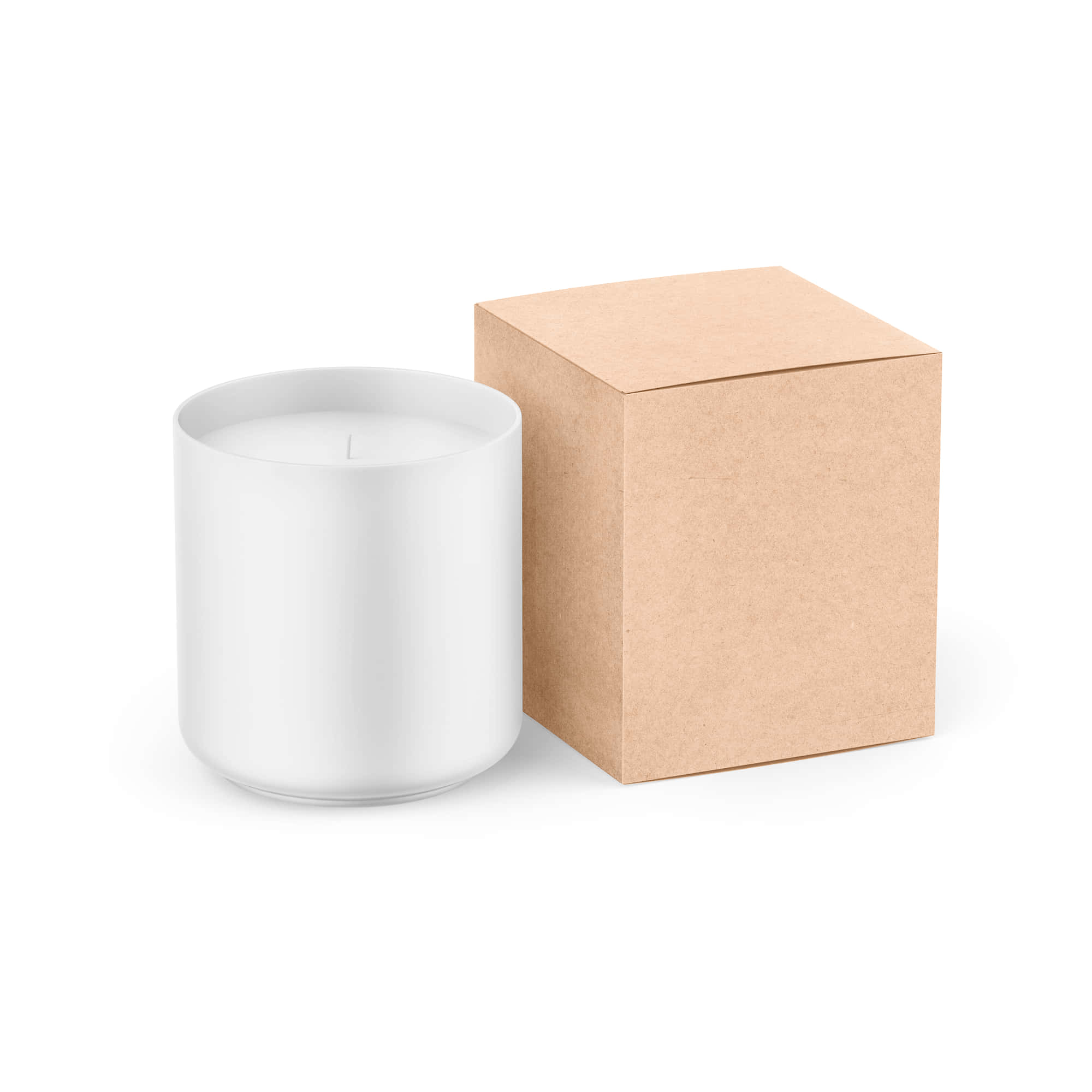
4+ Top private label home & living manufacturers
Wonnda works with the best private label home & living manufacturers. Here is a list of trusted suppliers from our network.
- Featured
 Private LabelContract Manufacturing
U.S.-based cookware contract manufacturer, private labeler, and OEM supplier since 1911. ISO 9001 certified. Made in Wisconsin.
- Country
- USA
- MOQ
- Lead time
Panaka
4.7Private LabelContract ManufacturingSwitzerland-based manufacturer producing private label skincare serums, private label spf products, private label toothpaste, available to brands sourcing home & living.
- Country
- Switzerland
- MOQ
- Lead time
 Private LabelContract Manufacturing
Belgium-based manufacturer producing botanique candle, rain forest candle, golden hour candle, available to brands sourcing home & living.
- Country
- Belgium
- MOQ
- Lead time
 Private LabelContract Manufacturing
Lithuania-based manufacturer producing linen pants (men's classic), stonewashed linen bedding sets, gauze linen fabric, available to brands sourcing home & living.
- Country
- Lithuania
- MOQ
- Lead time
Compare MOQs and lead times
Quick side-by-side of the shortlist. Missing values shown as a dash.
| Supplier | Location | Types | MOQ | Lead time |
|---|---|---|---|---|
| West Bend Company | USA | PL · CM | ||
| Panaka | Switzerland | PL · CM | ||
| Feu des Fleurs | Belgium | PL · CM | ||
| Epic Linen | Lithuania | PL · CM |
Buyer criteria
- Design coherence across categories
A home collection succeeds when disparate items read as one range through shared palette, materials, and aesthetic. Verify the supplier or consolidator can hold a consistent look across candles, textiles, ceramics, and wood, which decorate and color differently. Ask for the full collection sampled together, since coherence cannot be judged item by item and is what makes the range feel intentional.
- Per-category compliance
The umbrella does not exempt items from their category standards: tableware needs food-contact compliance, textiles OEKO-TEX, wood FSC, candles CLP. Confirm each item carries the right documentation for your market. A supplier offering breadth must still prove compliance per item, since one non-compliant component, an unsafe glaze or an unlabeled candle, exposes the whole range.
- Sourcing structure clarity
Decide whether you want a consolidating partner managing breadth across categories or specialist suppliers per item, and confirm the chosen structure genuinely works. A consolidator must manage quality and timing across factories, not just forward orders. Specialist suppliers give depth but leave you coordinating the collection. Clarity on this structure shapes your whole program.
- Per-item quality depth
Breadth must not come at the cost of quality in any single category. Verify each item meets its own quality bar: burn performance for candles, stitch and fabric quality for textiles, glaze and structural integrity for ceramics. A supplier strong on coordination but weak on a specific category delivers a coherent-looking range with a failing item, which undermines the whole collection.
- Convergent scheduling
Because items come from different factories on different timelines, confirm production can be scheduled to converge for collection assembly rather than arriving piecemeal. Ask how the partner manages the slowest or highest-MOQ component, which sets the program timeline. Poor scheduling leaves you holding some items while waiting months for others, delaying the whole launch.
- Transit protection for mixed fragility
A home range mixes robust textiles with fragile ceramics and glass, so confirm packaging protects each item appropriately in transit. Damaged-on-arrival rates are high for unprotected fragile homeware. Ask how mixed-fragility shipments are packed and validated, since a beautiful collection that arrives with chipped ceramics or broken glass erodes margin and the brand experience.
Red flags
- One supplier claiming excellence across all categories
No single factory makes candles, textiles, ceramics, and wood goods to a high standard, since these are unrelated processes. A supplier claiming in-house excellence across the whole umbrella is silently subcontracting, which means inconsistent quality you cannot oversee. Ask which categories are made in-house and which are bought in, because hidden subcontracting undermines the per-item quality a home range depends on.
- Compliance treated as optional under the umbrella
A supplier who waves away per-item standards, food-contact for tableware, OEKO-TEX for textiles, CLP for candles, because the range is broad is exposing you to safety and labeling failures. The umbrella category does not exempt any item from its requirements. Treat vagueness on per-item compliance as a serious warning, since one non-compliant item can pull the whole collection.
- Collection shown only item by item
If a supplier will only present items individually rather than the full collection together, you cannot judge the design coherence that defines a home range. A coordinated look is the whole point of an umbrella collection. Reluctance to show the range assembled often hides color or material inconsistency across the categories made by different factories.
- No plan for convergent delivery
A supplier without a clear approach to scheduling production across factories so items arrive together signals coordination weakness. Items dribbling in over months delay your launch and strand inventory. If the partner cannot explain how they manage the slowest, highest-MOQ component that sets the timeline, the program risks chronic delays and an incomplete collection at launch.
Manufacturing process
- 01
Collection planning and category mapping
The brand defines the home collection and maps each item to its production category and a suitable factory, since textiles, candles, ceramics, wood, and glass run in different plants. This mapping sets MOQs, lead times, and whether the program needs a consolidating partner or specialist suppliers per category. Planning the collection structure first prevents an incoherent, hard-to-manage range.
- 02
Design language and material palette
A shared design language is set, including color palette, materials, and aesthetic, so disparate items read as one collection. Material choices carry their own standards: OEKO-TEX for textiles, FSC for wood, food-contact grades for tableware. The unifying palette is defined before individual items are developed, since coherence across categories is what makes a home range feel intentional.
- 03
Per-category development and sampling
Each item is developed in its own category: candles poured and burn-tested, textiles cut and sewn, ceramics molded and glazed, wood cut and finished. Samples are produced against both the item's function and the shared design language. Cross-category color matching is checked here, since the same palette must read consistently across wax, fabric, ceramic, and wood.
- 04
Per-category production
Items are produced in their respective factories on their own timelines and processes. The brand or consolidator schedules runs so components converge for assembly into the collection rather than arriving piecemeal. Each category follows its own manufacturing route, so production management is about coordination across plants as much as quality within any one.
- 05
Per-item compliance and quality control
Each item is tested against its category's standards: food-contact compliance for tableware, OEKO-TEX for textiles, CLP for candles, structural and finish checks for decor. QC is item-specific rather than one generic check, since a candle fails differently from a cushion or a vase. Compliance documentation is gathered per item for the target market.
- 06
Consolidation and collection assembly
Items from multiple factories are consolidated, optionally bundled into sets or gift collections, and prepared as a coordinated range. Cross-item presentation is reviewed so the collection looks intentional together. Packaging is matched across items where the design language calls for it, and lot traceability is maintained per item for any quality follow-up.
- 07
Packaging and retail preparation
Items receive brand artwork, care and safety labeling appropriate to each category, barcodes, and retail or e-commerce packaging. Fragile items like ceramics and glass get protective packing validated for transit. The collection is prepared so each item arrives undamaged and the range presents coherently on shelf or in an unboxing.
Understanding home & living private-label manufacturing
Product Range and Sourcing Complexity
Home and living private label encompasses a wide variety of products, including home textiles, candles, home fragrance, kitchenware, tableware, decor, and small homeware accessories. Building a home range requires coordinating across multiple product categories, each with distinct manufacturing processes.
Examples of process diversity include poured wax for scented candles, cut and sewn textiles for cushion covers, molded and glazed ceramics for vases, cut and finished timber for wooden trays, and pressed or blown glass for tumblers. Each product type has its own factory, MOQ, lead time, and quality standards.
A successful home range relies on design coherence and material credibility. This is achieved through shared color palettes, materials, and a consistent aesthetic across disparate items like candles, throws, and serving bowls. Brands can manage this complexity by working with a consolidating partner or by directly managing specialist suppliers for each product type.
Material and Safety Standards
Each item within the home and living category must meet its specific material and safety standards. These include:
- Food-contact compliance for tableware
- OEKO-TEX for textiles
- FSC for wood
- CLP labeling for candles
Sourcing Geography, MOQs, and Lead Times
Sourcing geography varies depending on the product mix. China and wider Asia offer a broad range of homeware at competitive costs. European production, specifically in Portugal, Poland, Germany, and Italy, focuses on textiles, ceramics, and craft-led items.
MOQs and lead times differ significantly by item, meaning there isn't a single figure for an entire home collection. The overall program timeline is determined by the component with the slowest lead time or highest minimum order. Cost drivers for each item include material grade, decoration or finish, tooling requirements, and production volume.
Target Buyers and Differentiation
Private label home and living buyers include homeware retailers, concept stores, D2C lifestyle and interior brands, hospitality and short-stay furnishing programs, and gifting and subscription businesses.
Differentiation in this market is achieved through a clear design point of view, high material quality, and well-coordinated collections. When qualifying suppliers, it is crucial to assess their breadth or specialist depth, their understanding of per-item compliance, and their ability to maintain a consistent aesthetic across categories. The overall coherence and intentionality of the collection are paramount to its success.
Frequently asked questions
Can one supplier provide my whole home and living range?+
How do I make a home collection feel coordinated when items come from different factories?+
Do umbrella home ranges still need per-item compliance?+
What MOQ should I expect for a home collection?+
Where should I source a home and living range?+
How do I handle the mix of fragile and durable items in one shipment?+
Get a vetted shortlist of home & living suppliers in 48 hours.
Post a brief on Wonnda. Free, no commitment. We match you with vetted manufacturers that fit your MOQ, format and market.