
Best private label pet food manufacturers
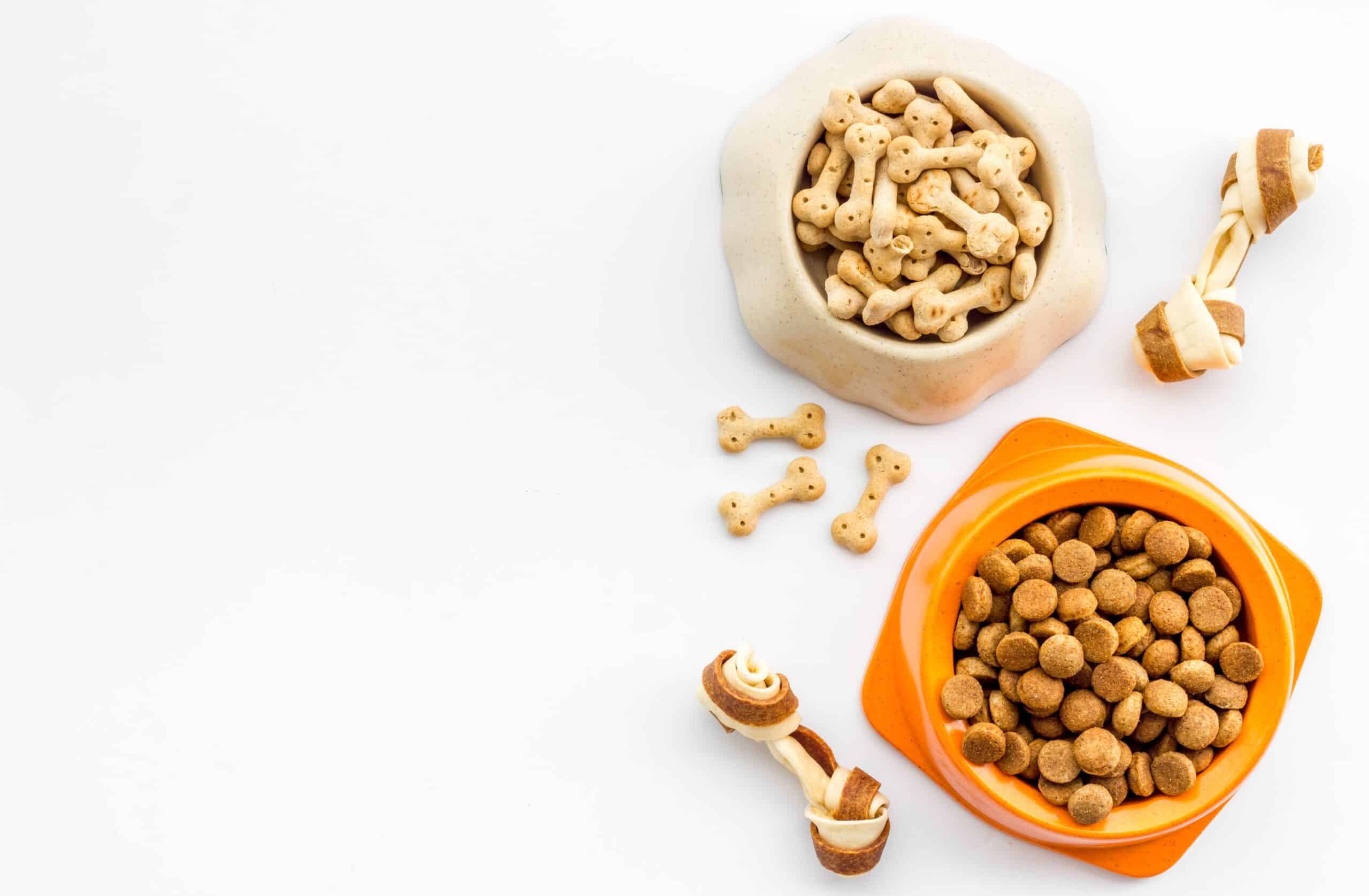
Wonnda is where brands find private label pet food manufacturers. Sourcing decisions begin with the intended product format, as production facilities are specialized for dry kibble, wet foods, or freeze-dried and treat varieties. Each format demands distinct manufacturing processes, from extrusion for kibble to canning for wet food, and different approaches to recipe development, nutritional balance, and palatability. Additionally, compliance with feed safety certifications is a critical consideration for any pet food manufacturer.
- Vetted suppliers
- 20,000+
- Brands & buyers
- 25,000+
- EU-made
- 80%
5+ Top private label pet food manufacturers
Wonnda works with the best private label pet food manufacturers. Here is a list of trusted suppliers from our network.
 Private LabelContract Manufacturing
Germany-based manufacturer producing dry pet food, wet pet food (cans and pouches), pet treats, available to brands sourcing pet food.
- Country
- Germany
- MOQ
- Lead time
 Private LabelContract Manufacturing
Hungary-based manufacturer producing wet pet food, dry pet food, pet snacks, available to brands sourcing pet food.
- Country
- Hungary
- MOQ
- Lead time
 Private LabelContract Manufacturing
Germany-based manufacturer producing dry dog food, dry cat food, dog baked goods, available to brands sourcing pet food.
- Country
- Germany
- MOQ
- Lead time
 Private LabelContract Manufacturing
Belgium-based manufacturer producing dry pet food, wet pet food, pet treats, available to brands sourcing pet food.
- Country
- Belgium
- MOQ
- Lead time
 Private LabelContract Manufacturing
Germany-based manufacturer producing premium wet dog food, premium wet cat food, barf dog food, available to brands sourcing pet food.
- Country
- Germany
- MOQ
- Lead time
Compare MOQs and lead times
Quick side-by-side of the shortlist. Missing values shown as a dash.
| Supplier | Location | Types | MOQ | Lead time |
|---|---|---|---|---|
| Heristo Group | Germany | PL · CM | ||
| PPF Europe | Hungary | PL · CM | ||
| MERA | Germany | PL · CM | ||
| United Petfood | Belgium | PL · CM | ||
| Seitz Heimtiernahrung | Germany | PL · CM |
Buyer criteria
- Format capability match
Confirm the co-packer runs your exact format, since extrusion (dry), retort canning (wet) and freeze-drying are different plants. A manufacturer set up for kibble cannot make canned wet food. Match the plant to your product first, because format capability is the gating factor before any recipe or quality discussion.
- Nutritional adequacy for the claim
Verify the recipe meets the nutritional profile for the species, life stage and the complete-or-complementary claim you intend to make. Request the formulation and nutritional analysis, since a complete-and-balanced claim must be substantiated and an inadequate diet is both a regulatory and an animal-welfare failure.
- Feed-safety certification
Pet food is a regulated feed, so require the manufacturer to operate to recognized feed-safety standards with the supporting certification. Confirm the scope covers your format. Feed-safety compliance is non-negotiable, since contaminants or pathogens in pet food are a serious safety and recall risk.
- Ingredient quality and traceability
For premium claims such as fresh meat, named proteins or grain-free, verify ingredient quality and traceability back through the supply chain. Request specifications and origin documentation, because the ingredient story is central to premium pet food and unverified claims expose the brand to challenge.
- Palatability validation
Confirm the manufacturer tests palatability, since the pet must accept the food regardless of its nutrition. Ask for acceptance testing on the recipe, because a nutritionally sound product the animal refuses fails commercially, and palatability is a frequent and expensive reason pet food launches underperform.
Red flags
- Complete-diet claim without nutritional proof
A complete-and-balanced claim with no formulation or nutritional analysis to back it is unsupportable and an animal-welfare risk, since an inadequate diet harms the pet. Require the nutritional substantiation, because this claim is regulated and central to the product's safety and legality.
- No feed-safety certification
A pet-food maker without recognized feed-safety certification is operating below the standard a regulated feed product requires, exposing you to contamination and recall risk. Feed safety is mandatory, so the absence of certification disqualifies the manufacturer for pet food.
- Vague ingredient sourcing
Premium claims like fresh meat or named single proteins with no traceability or specification are unverifiable and a common point of pet-food mislabeling. If the co-packer cannot evidence ingredient origin and quality, treat the premium positioning as unsubstantiated.
- No palatability testing
Skipping palatability testing risks launching a food pets refuse, a costly failure that nutrition alone cannot prevent. A manufacturer that does not validate acceptance has not addressed the core commercial risk in pet food, which is whether the animal will actually eat it.
Manufacturing process
- 01
Recipe and nutritional formulation
A nutritionist formulates the recipe to meet the nutritional profile for the target species, life stage and claim (complete or complementary), selecting proteins, carbohydrates, fats and a vitamin-mineral premix. Nutritional adequacy underpins any complete-and-balanced claim and is the foundation of a credible pet food.
- 02
Ingredient sourcing and intake
Meat, plant ingredients and the premix are sourced to specification and tested on intake for quality and safety. Ingredient quality and traceability matter for both nutrition and the premium claims many brands make, such as fresh meat content or named single proteins.
- 03
Format processing
Dry food is cooked and shaped by extrusion then dried; wet food is mixed, filled into cans, trays or pouches and retort-sterilized; freeze-dried and air-dried products use their own gentle drying. The format process is distinct per plant and defines texture, shelf life and nutritional handling.
- 04
Palatability and coating
Dry food is often coated with fats or palatants to drive acceptance, and palatability is tested since the pet must want to eat it. Acceptance testing protects against a nutritionally sound product the animal refuses, which is a common and costly failure in pet food launches.
- 05
Nutritional and safety QC
Finished product is tested for nutritional content against the formulation, microbiological safety, and contaminants, with feed-safety controls throughout. Per-batch documentation supports the nutritional claim and feed-safety compliance, which is mandatory for a regulated feed product.
- 06
Packaging and labeling
Product is packed in format-appropriate packaging (multi-layer bags for kibble, cans, trays or pouches for wet) and labeled with the analytical constituents, feeding guide, ingredient list and claims required by feed labeling rules. Lot codes provide traceability for any recall.
Understanding pet food private-label manufacturing
Pet Food Formats and Manufacturing
Pet food manufacturing is highly specialized by format. Dry kibble uses extrusion lines, wet food requires canning or retort and tray-sealing lines, and treats or air/freeze-dried products need dedicated equipment. The initial decision for a brand is the desired format, as co-packers often specialize. Pet food is a regulated feed product, necessitating adherence to feed-safety standards.
Core variables include format (dry, wet, treat, freeze-dried), protein and recipe (single-protein, grain-free, novel proteins, fresh or rendered meat), nutritional completeness (complete and balanced versus complementary), and the targeted species and life stage. Recipes must meet established nutritional profiles for claims made. Palatability testing is crucial, as the pet is the consumer.
Cost Drivers and MOQs
Cost is influenced by protein content and quality, and the format. Wet food is heavier and more expensive to produce and ship than dry. Packaging options include bags, cans, trays, and pouches. Premium positioning, like fresh meat or novel proteins, also adds to the cost.
Ingredient sourcing and meat-price fluctuations directly impact the bill of materials. Premium claims necessitate additional testing and traceability expenses. Minimum Order Quantities (MOQs) are substantial, often several thousand kilograms or a full production run, due to the scale of pet-food lines.
Lead Times and Sourcing
Lead times for custom recipes range from 8 to 16 weeks, once formulation, palatability trials, and packaging artwork are finalized. Stock or lightly customized lines have shorter lead times. European production is concentrated among feed and pet-food specialists in Germany, the Netherlands, Italy, France, and Eastern Europe, with co-packers often specializing by format and species.
Buyers include dedicated pet brands, veterinary and specialty channels, and retailers' own pet ranges. Sales channels encompass pet specialty stores, grocery outlets, veterinary clinics, and direct-to-consumer (D2C) subscriptions. Consistent recipes and supply are critical for repeat orders in subscription models.
Quality and Certifications
Decisive checks are feed-safety certification, nutritional adequacy for claims, ingredient quality, and traceability. Palatability is paramount, as an unpalatable or nutritionally incomplete pet food will fail regardless of branding. Palatability issues typically emerge after product shipment and marketing efforts.
Frequently asked questions
Why does the pet food format determine which manufacturer I use?+
What is the difference between a complete and a complementary pet food?+
How is palatability tested and why does it matter?+
What certification should a pet food manufacturer hold?+
What MOQ and lead time are typical for custom pet food?+
How do I substantiate premium claims like grain-free or fresh meat?+
Explore adjacent product types
Get a vetted shortlist of pet food suppliers in 48 hours.
Post a brief on Wonnda. Free, no commitment. We match you with vetted manufacturers that fit your MOQ, format and market.