
Best private label cat litter manufacturers
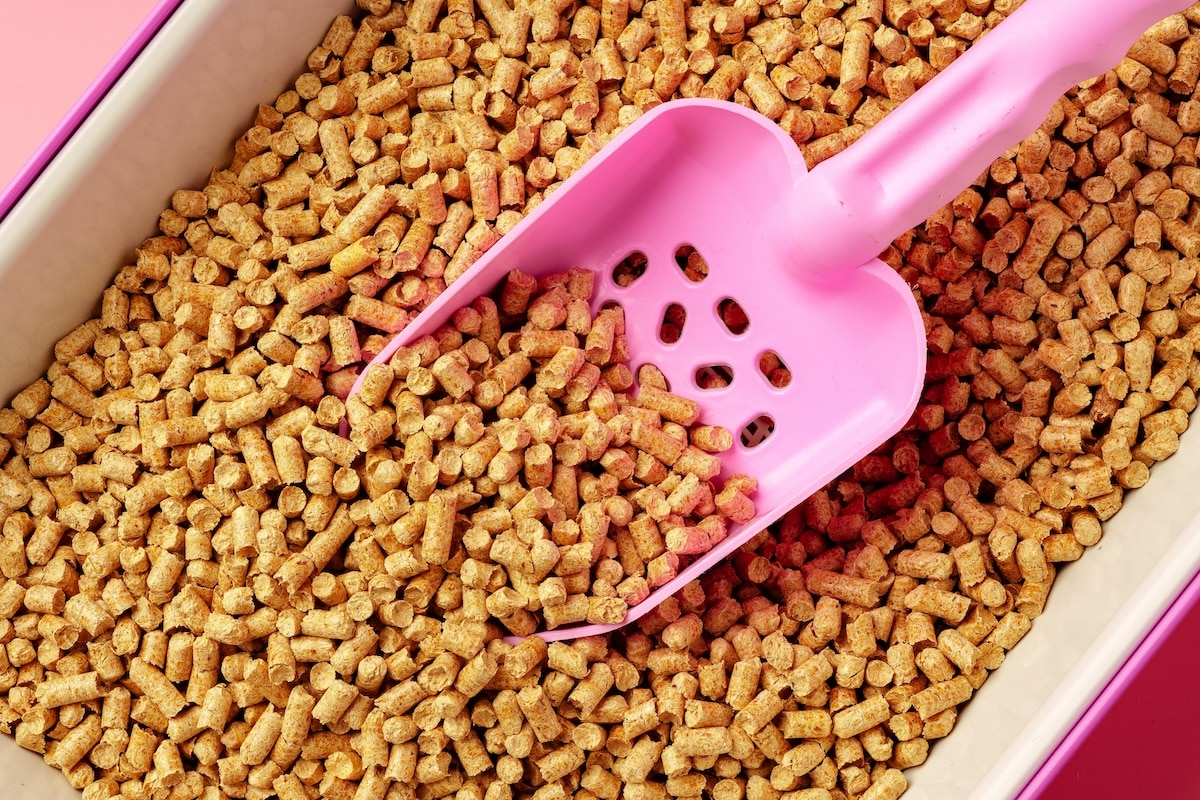
Shortlist private label cat litter suppliers on Wonnda. The primary decision in sourcing cat litter revolves around the base material, which could be bentonite clay for strong clumping, silica gel crystals known for absorption, or various plant-based options such as wood, paper, corn, or tofu for biodegradability. Each material dictates the product's performance in terms of clumping strength, odor control, and dust levels, serving distinct market segments. Sourcing considerations include formulations tailored for low-dust properties, specific odor-testing methodologies, and the unique production processes associated with each raw material type.
- Vetted suppliers
- 20,000+
- Brands & buyers
- 25,000+
- EU-made
- 80%
5+ Top private label cat litter manufacturers
Wonnda works with the best private label cat litter manufacturers. Here is a list of trusted suppliers from our network.
 Private LabelContract Manufacturing
Europe-based manufacturer producing pouch packing machines, sealing machines, packaging machines, available to brands sourcing cat litter.
- Country
- -
- MOQ
- Lead time
 Private LabelContract Manufacturing
Europe-based manufacturer producing bentonite-based cat litter, mineral-based cat litter, private label cat litter, available to brands sourcing cat litter.
- Country
- -
- MOQ
- Lead time
 Private LabelContract Manufacturing
Turkey-based manufacturer producing patimax premium ultra clumping, patented premium formula clumping, 100% bentonite clumping, available to brands sourcing cat litter.
- Country
- Turkey
- MOQ
- Lead time
- MIPrivate LabelContract Manufacturing
Europe-based manufacturer producing bentonite-based cat litter (bulk), bentonite-based cat litter (finished goods), sivo private label cat litter, available to brands sourcing cat litter.
- Country
- -
- MOQ
- Lead time
 Private LabelContract Manufacturing
Europe-based manufacturer producing natural mineral cat litter, clumping cat litter, cat litter granules from aac leftovers, available to brands sourcing cat litter.
- Country
- -
- MOQ
- Lead time
Compare MOQs and lead times
Quick side-by-side of the shortlist. Missing values shown as a dash.
| Supplier | Location | Types | MOQ | Lead time |
|---|---|---|---|---|
| Kondur | - | PL · CM | ||
| SIVO | - | PL · CM | ||
| Patimax | Turkey | PL · CM | ||
| Minerals Technologies Pet Care | - | PL · CM | ||
| Silikalzit | - | PL · CM |
Buyer criteria
- Base material matched to positioning
Choose the base (clumping clay, silica crystal, or plant-based) to match your positioning and price, since it determines performance, weight, sustainability and cost. Confirm the base and its performance, because the material decision is the product decision, and a value clay litter and a premium flushable plant litter are fundamentally different products for different buyers.
- Clumping and odour performance
Verify clumping strength and odour control on real samples, since these are the properties cat owners judge daily and the main reasons a litter is kept or abandoned. Test performance yourself, because spec claims do not substitute for seeing how firmly the litter clumps and how well it controls odour in actual use.
- Dust level
Confirm a low dust level, a significant health concern for cats and owners and a frequent complaint. Check dust on samples, since excessive dust is both a respiratory issue and a cleanliness annoyance that drives customers away, making low-dust performance a key quality criterion regardless of the base material chosen.
- Material consistency between batches
Verify consistency in clumping, dust and odour control from batch to batch, since variation erodes trust as customers expect the same performance each purchase. Ask how consistency is controlled, because a litter that performs well one bag and poorly the next damages repeat purchase in a subscription-friendly category.
- Biodegradability or flushability claims
For natural litters making biodegradable, compostable or flushable claims, verify the claim is genuine and substantiated, since these drive the premium and are scrutinized. Confirm flushability does not risk plumbing issues. An unsupported eco claim on a natural litter is both a marketing and a compliance liability.
Red flags
- Poor clumping on samples
Litter that clumps weakly or crumbles in testing fails its core job for clumping products, leaving owners with a mess and a litter they will abandon. Weak clumping on samples is a fundamental performance failure that no branding overcomes, so test it before committing.
- High dust level
Excessive dust is a respiratory health concern for cats and owners and a leading complaint, signalling poor processing and de-dusting. A dusty litter drives customers away quickly regardless of other qualities, so a high dust level on samples is a serious quality problem to reject.
- Flushable claim without substantiation
A flushable or biodegradable claim with no substantiation risks both misleading customers and causing plumbing problems if the litter does not genuinely break down. An unsupported eco or flushability claim is a liability, so require evidence before allowing it on the pack.
- Batch-to-batch inconsistency
Visible variation in particle size, dust or clumping between batches indicates weak process control and will produce inconsistent performance that erodes customer trust. A supplier unable to hold consistency delivers a litter that works unpredictably, undermining the repeat purchase the category depends on.
Manufacturing process
- 01
Base material selection and sourcing
The base is chosen and sourced: bentonite clay for clumping, silica gel for crystal litter, or plant materials (wood, paper, corn, tofu) for natural litter. The base material determines clumping, odour control and dust, so this is the defining decision that sets the product's whole performance profile.
- 02
Processing to litter form
Clay is dried, crushed and granulated; silica is processed into crystals or beads; plant materials are processed and pelletized or granulated. Each base follows its own process to reach the right particle size and structure for absorption and clumping, which differs fundamentally between mineral and plant litters.
- 03
Additive integration
Clumping agents (for some bases), odour-control agents such as activated carbon or natural absorbers, and any scent are integrated. The odour and clumping system is tuned to the base material, since these performance additives are central to how the litter satisfies cat owners and differentiate value from premium products.
- 04
Dust reduction
The product is processed to reduce dust, a key quality and health factor for both cats and owners, through particle sizing and de-dusting. Low dust is a significant selling point and a common complaint when absent, so this step materially affects product acceptance and perceived quality.
- 05
Performance QC
Litter is tested for clumping strength, absorption, odour control and dust level against the specification. These performance properties are what owners judge, so QC verifies them per batch. Material consistency is checked, since variation in clumping or dust between bags erodes trust quickly.
- 06
Packaging and palletizing
Litter is packed into bags or tubs sized for the weight, then palletized. Packaging must handle the weight and resist tearing, and pack size balances usability against shipping. Because litter is heavy and low-value, packing and freight efficiency directly affect the product's economics.
Understanding cat litter private-label manufacturing
Product Properties and Types
Cat litter is evaluated based on three performance properties: clumping strength, odor control, and dust level. The base material, which can be bentonite clay, silica gel crystals, or biodegradable plant materials like wood, paper, corn, or tofu, determines these properties.
For brands, the choice of base material is the primary product decision. Different base materials result in variations in manufacturing, performance, and target buyers. Key variables include the base material type (clumping clay, non-clumping clay, silica crystal, or natural biodegradable), clumping vs. non-clumping characteristics, the odor-control system (natural absorption, added agents, activated carbon), dust level, and any scenting.
Natural and flushable plant-based litters are a rapidly growing premium segment, driven by sustainability and the appeal of lighter, flushable products. Clumping bentonite remains a strong performer in terms of value and effectiveness.
Manufacturing and Logistics
Cat litter is a heavy, bulky product with low value density, making logistics and packaging significant economic factors. Production is handled by mineral processors and specialist litter manufacturers.
Regional production is attractive due to the weight of the product, as long-distance shipping can quickly negate any unit-cost advantages. Cost drivers include the base material, odor-control and clumping additives, dust-reduction processing, packaging, and freight.
Transport costs can rival the cost of the product itself. While plant-based litters have higher material costs, their lighter weight can help offset some freight expenses. Bentonite is inexpensive to source but costly to transport.
MOQs and Lead Times
Minimum Order Quantities (MOQs) for cat litter are typically large, often requiring pallet or full-batch runs, due to bulk-handling and packing scale.
Lead times are influenced by material sourcing, processing, and packing, rather than complex formulation.
Quality and Market Considerations
Decisive quality checks include clumping and odor performance, dust level (important for cat and owner health and satisfaction), and batch-to-batch material consistency. For natural litters, genuine biodegradability or flushability claims are crucial.
Cat owners quickly abandon litters that fail to clump, control odor poorly, or are excessively dusty. Brand loyalty in this market is strong once earned, but fragile if a single bad batch reaches the consumer, largely because the product is heavy to carry or ship and purchases are repetitive.
Frequently asked questions
Which cat litter base material should I choose?+
Why is dust level so important in cat litter?+
Are natural and flushable cat litters genuinely better for the environment?+
Why are cat litter MOQs and shipping costs so high?+
How do I ensure consistent litter performance across batches?+
Should my litter be scented or unscented?+
Explore adjacent product types
Get a vetted shortlist of cat litter suppliers in 48 hours.
Post a brief on Wonnda. Free, no commitment. We match you with vetted manufacturers that fit your MOQ, format and market.