
Best private label linen table runner manufacturers
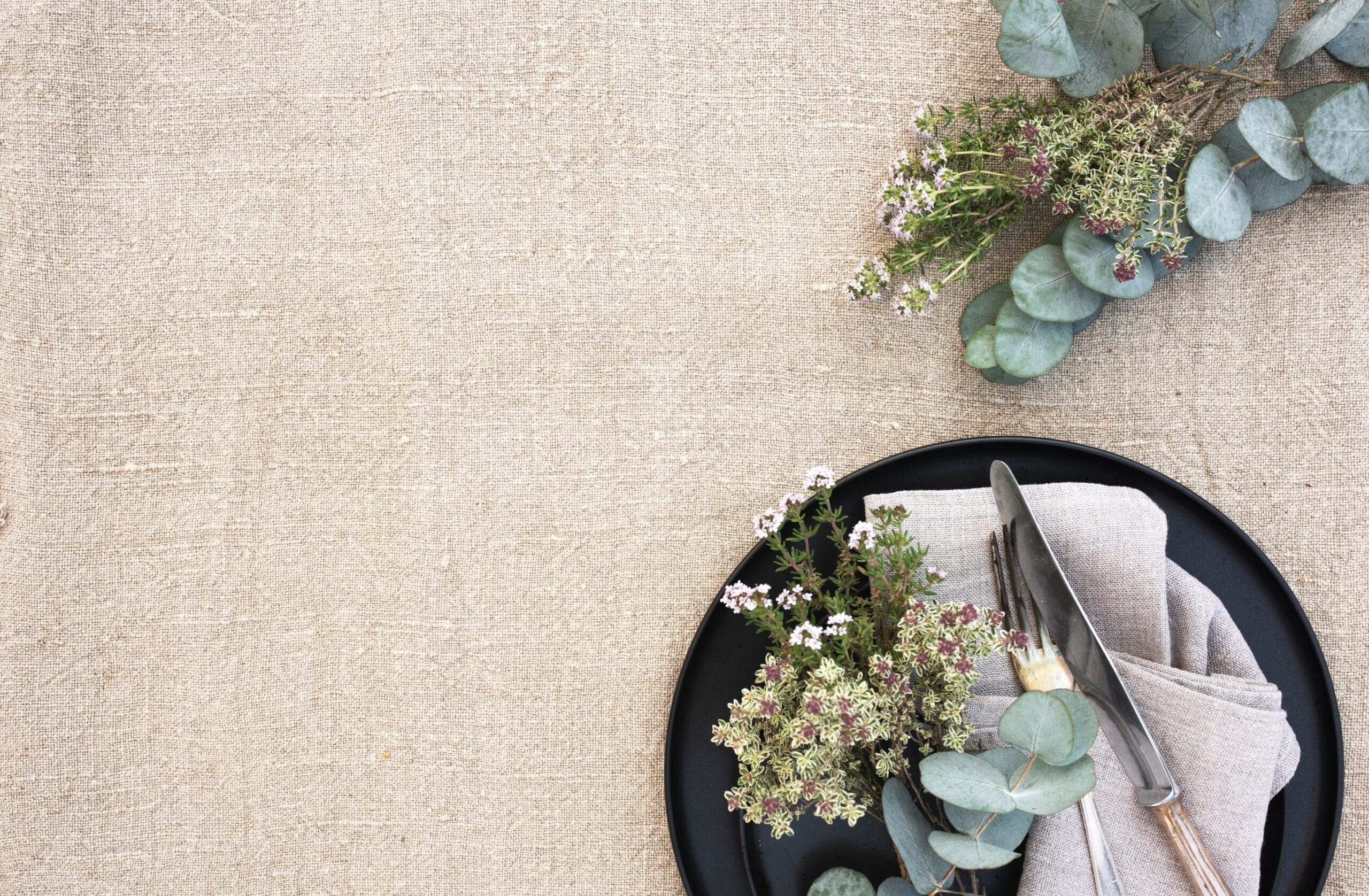
Source private label linen table runner suppliers through Wonnda. These decorative table textiles require careful consideration of their material and finish. Key variables include the linen's weight, the purity of the flax, and the chosen hemstitch or mitred finishes, all influencing the final aesthetic and drape. As an accessible entry into linen homeware, the design often highlights linen's signature texture and natural slubs.
- Vetted suppliers
- 20,000+
- Brands & buyers
- 25,000+
- EU-made
- 80%
4+ Top private label linen table runner manufacturers
Wonnda works with the best private label linen table runner manufacturers. Here is a list of trusted suppliers from our network.
 Private LabelContract Manufacturing
Lithuania-based manufacturer producing linen bedding sets, linen tablecloths, linen towels, available to brands sourcing linen table runner.
- Country
- Lithuania
- MOQ
- Lead time
 Private LabelContract Manufacturing
Austria-based manufacturer producing tablecloths, napkins, kitchen towels, available to brands sourcing linen table runner.
- Country
- Austria
- MOQ
- Lead time
 Private LabelContract Manufacturing
Lithuania-based manufacturer producing linen pants (men's classic), stonewashed linen bedding sets, gauze linen fabric, available to brands sourcing linen table runner.
- Country
- Lithuania
- MOQ
- Lead time
 Private LabelContract Manufacturing
France-based manufacturer producing bed sheets, bedding duvets, bath towels, available to brands sourcing linen table runner.
- Country
- France
- MOQ
- Lead time
Compare MOQs and lead times
Quick side-by-side of the shortlist. Missing values shown as a dash.
| Supplier | Location | Types | MOQ | Lead time |
|---|---|---|---|---|
| Linomeda | Lithuania | PL · CM | ||
| Leitner Leinen | Austria | PL · CM | ||
| Epic Linen | Lithuania | PL · CM | ||
| VanVino | France | PL · CM |
Buyer criteria
- Genuine linen content
Verify whether the fabric is 100 percent flax linen, a linen blend, or a linen-look substitute, since the market is full of imitations and the label claim depends on true content. A linen-look polyester or viscose sold as linen misleads customers paying for natural-material authenticity. Confirm fiber content with documentation and judge the texture and slubs of genuine linen on samples.
- Edge and corner finishing
The runner is seen flat with its ends on display, so the hem treatment, mitred corners, hemstitch border, or fringed ends, is a primary quality signal. Inspect samples for clean, durable edge work, since a cheap fraying hem or poorly mitred corner undermines a premium look. Finishing craft is what distinguishes a quality runner from a basic hemmed strip.
- Drape and weight match
Confirm the fabric weight delivers the intended drape: lighter linen for a soft, casual fall, heavier linen for a structured, substantial runner. The drape defines how the runner sits on the table, so match the weight to the look. Judge drape on samples laid on a table, since it cannot be assessed from a flat swatch or a specification alone.
- Colorfastness and wash stability
Runners are laundered, so verify the dyes are colorfast and the fabric is pre-shrunk so runners hold size and color across washes. A bleeding or fading runner, or one that shrinks out of size, disappoints. Confirm colorfastness and dimensional stability on washed samples, since the runner must look consistent across its life on the table.
- Texture authenticity
Linen is bought for its natural texture and slubs, so confirm the fabric has the genuine character of flax rather than an overly uniform synthetic look. The right balance of texture and evenness signals quality linen. Assess the hand and appearance on samples, since the tactile and visual character of real linen is central to the product's appeal and premium positioning.
- Sizing for standard tables
Confirm runner dimensions suit standard table lengths and present evenly when laid out, with consistent sizing across the order. A runner that is too short to overhang properly or inconsistent in length looks wrong on the table. Dimensional accuracy matters for the visual result, so verify sizing tolerances on production-representative samples before committing.
Red flags
- Linen-look sold as linen
If the fabric is a polyester or viscose linen-look substitute, or an undisclosed blend, presented as genuine linen, the product misrepresents what customers pay a premium for. Authenticity is central to the category. Demand fiber content documentation and judge the texture and slubs on samples, since a synthetic linen-look lacks the hand, drape, and character of real flax linen.
- Poor edge finishing
Fraying hems, uneven stitching, or sloppy mitred corners on samples signal weak finishing, and because the runner's edges are on display when laid flat, these defects are immediately visible. The edge finish is a primary quality signal in this product. Poor edge work on samples means the production run will look cheap regardless of the fabric quality underneath.
- No pre-shrinking
If the linen is not pre-washed or pre-shrunk, runners shrink out of size after the customer's first wash, leaving them too short to sit properly on the table. Linen shrinks notably without pre-treatment. A manufacturer who cannot confirm pre-shrinking is delivering a product whose dimensions will not hold, which is a common and visible failure for table textiles.
- Overly uniform synthetic look
Linen that looks flat and uniform without the natural slubs and texture of genuine flax suggests either a low-grade fabric or a synthetic substitute. The texture is part of why linen is bought. If samples lack the authentic character of real linen, the product will not satisfy customers seeking the natural-material look that defines the premium end of the category.
Manufacturing process
- 01
Linen sourcing and content verification
The brand fixes the material: 100 percent flax linen, a linen blend, or a specified weight, and the converter sources fabric to that specification. Content verification matters because linen-look and blended fabrics are common, and the label claim depends on the true fiber content. The linen grade and weight are locked first since they drive both drape and cost.
- 02
Weaving or fabric selection
Flax yarn is woven into linen fabric, or pre-woven linen is selected, at the chosen weight and weave. Linen's natural slubs and texture are part of its character, so the weave is judged for the right balance of texture and evenness. Fabric weight is matched to the intended drape, lighter for a soft fall, heavier for a structured runner.
- 03
Washing and finishing
Linen is often pre-washed or stonewashed for a soft, lived-in drape, or kept crisp for a formal look, according to the brand's positioning. Washing also pre-shrinks the fabric so finished runners hold their size. The finish sets the hand and appearance that define the product, since drape and softness are central to why linen table textiles are bought.
- 04
Dyeing or color selection
Fabric is dyed to the brand color with colorfast dyes, or natural and undyed linen is used for an organic look. Colorfastness matters because runners are laundered and a bleeding or fading color disappoints. Linen takes dye with subtle variation that suits the material's natural character, which is checked against the brand's intended palette.
- 05
Cutting and edge finishing
Runners are cut to size and the edges finished with the chosen treatment: mitred corners, hand-rolled or machine hems, fringed or frayed ends, or a hemstitch openwork border. The edge is a primary design and quality signal because the runner is seen flat with its ends on display. Finishing craft distinguishes a premium runner from a basic hemmed strip.
- 06
Quality control
Finished runners are inspected for sizing accuracy, hem and corner quality, colorfastness, and fabric consistency, with the edge finish checked closely since it is the most visible detail. Loose threads, uneven hems, or poorly mitred corners are corrected. Dimensional accuracy matters so runners suit standard table lengths and present evenly when laid out.
- 07
Pressing, packing, and labeling
Runners are pressed for presentation, folded or rolled, and labeled with size, composition, and care instructions including washing and ironing guidance for linen. Retail or gift packaging is applied. Care labeling matters because linen wrinkles naturally and customers should understand the washing and pressing the fabric needs to look its best on the table.
Understanding linen table runner private-label manufacturing
Materials and Construction
Linen table runners are decorative flax-woven table textiles. They are narrow strips run down the center or across the ends of a table. They sit at the intersection of home decor and table linen where the look, drape, and edge finish are important. For a private label brand, the table runner is an accessible entry into linen homeware because it uses modest fabric per unit and showcases linen's signature texture and natural slubs.
The core material decision is the linen and its weight. Genuine linen is woven from flax fiber and is prized for its natural texture, drape, and the way it softens with use. The market is full of linen-look fabrics and linen-cotton or linen-viscose blends. Confirming whether you are buying 100 percent linen, a linen blend, or a linen-look substitute is the first and most consequential sourcing decision, as price and honest label claims depend on it.
Fabric weight, expressed in GSM, is chosen for drape. Lighter linen is used for a soft, casual fall, and heavier linen is used for a substantial, structured runner. The finish and edge define a table runner more than for most textiles because the runner is seen flat and its hems and ends are on display. The hem treatment is a primary design and quality signal.
- Mitred corners
- Hand-rolled or machine-stitched hems
- Fringed or frayed ends
- Hemstitch openwork border
Linen is also chosen pre-washed or stonewashed for a soft, lived-in drape, or crisp for a more formal look. Colorfastness matters since runners are laundered.
MOQs and Lead Times
MOQs for custom runners typically start around 300 to 1,000 pieces per design and color. This is lower than most homeware because of the small fabric use. Lead times are typically 6 to 12 weeks.
Cost Drivers
Cost drivers, in order, are the linen grade and whether it is pure or blended, the fabric weight, the edge and finishing work, and order volume.
Manufacturing Locations
Linen table textile manufacturing for the European market draws on linen weavers and converters from:
- Lithuania
- Belarus
- Poland
- Portugal
- India
The Baltic region is a notable flax and linen heartland.
Target Buyers and Quality Considerations
Linen table runner buyers include home decor and tableware D2C brands, hospitality and restaurant suppliers, event and rental businesses, and retailer home ranges. Differentiation runs on linen authenticity, drape and texture, and the craft of the edge finish. Qualifying a manufacturer on genuine linen content, finishing quality, and colorfastness matters more than the headline price.
A linen-look substitute sold as linen, or a runner with a cheap fraying hem, undermines a premium positioning in a category bought for natural-material authenticity and tabletop appearance.
Frequently asked questions
How do I know if a table runner is genuinely linen?+
What edge finishes are available for linen table runners?+
Should I choose washed or crisp linen for runners?+
What size should a table runner be?+
What MOQ should I expect for linen table runners?+
Where is linen homeware typically made?+
Explore adjacent product types
Get a vetted shortlist of linen table runner suppliers in 48 hours.
Post a brief on Wonnda. Free, no commitment. We match you with vetted manufacturers that fit your MOQ, format and market.