
Best private label cbd oil manufacturers
Wonnda is where brands find private label cbd oil manufacturers. Sourcing involves navigating the complexities of CBD extracts, whether full-spectrum or broad-spectrum, often dissolved in carrier oils like MCT. Key considerations include the precise concentration of cannabidiol, compliance with strict THC limits, and rigorous lab testing to verify potency and purity. The product's regulatory standing as a Novel Food in many areas impacts sourcing decisions, alongside varying legal statuses across different jurisdictions that define permissible claims and product formats.
- Europe cannabidiol market — projected to about 28.46 billion USD by 2033
- 5.02 billion USD
- Europe cannabidiol CAGR — among the fastest-growing wellness categories, gated by Novel Food
- 21.26%
- Europe growth versus North America — Europe outpacing North American growth rate
- 26.3% vs 24.7%
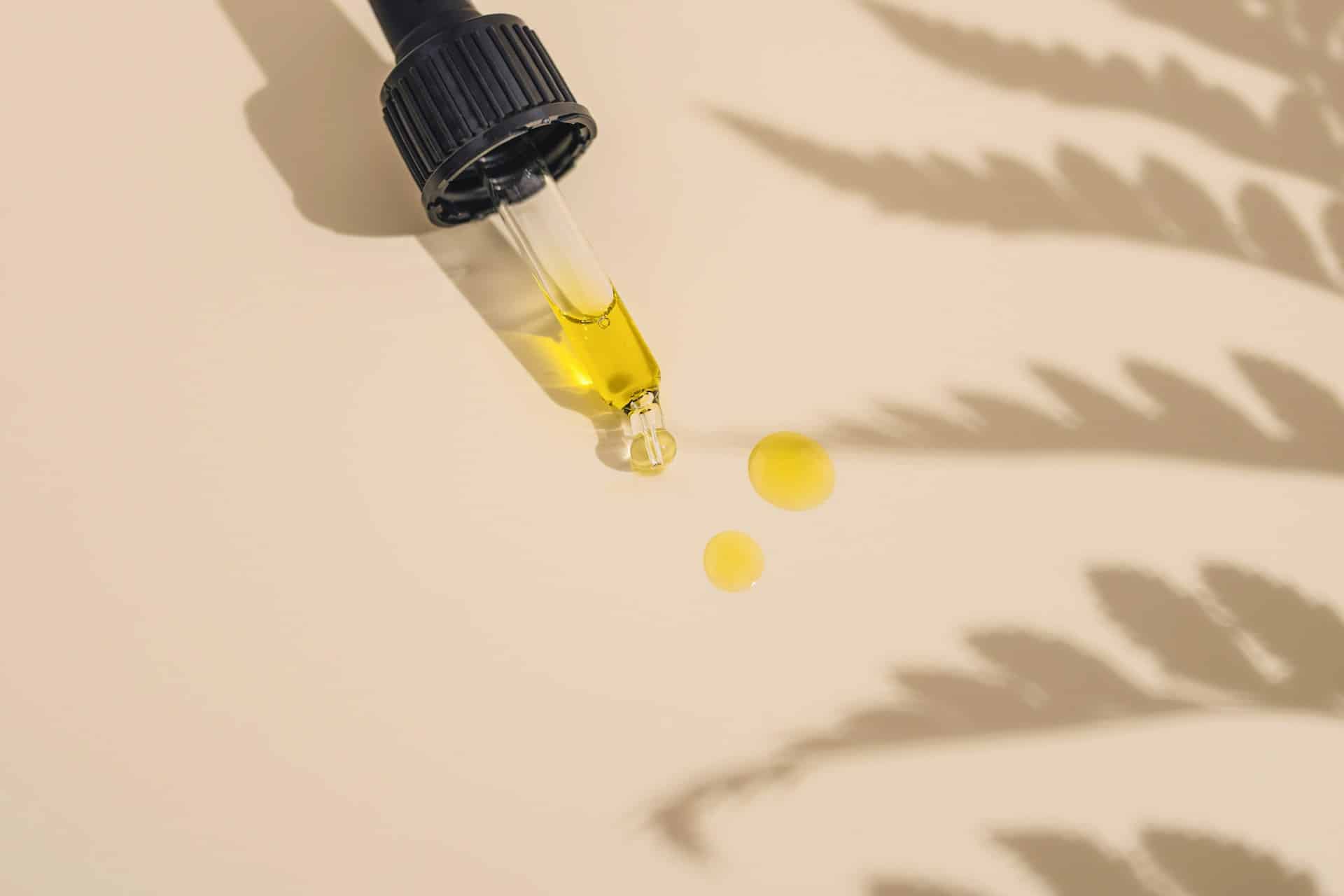
6+ Top private label cbd oil manufacturers
Wonnda works with the best private label cbd oil manufacturers. Here is a list of trusted suppliers from our network.
- Featured
Activ'Inside
4.7Private LabelContract ManufacturingRevolutionizing the Nutraceutical Industry
- Country
- France
- MOQ
- 1000 units
- Lead time
- 8 weeks
 Private LabelContract Manufacturing
Netherlands-based manufacturer producing choolate bodypaint, anal lubricants, bull power delay gel, available to brands sourcing cbd oil.
- Country
- Netherlands
- MOQ
- Lead time
 Private LabelContract Manufacturing
Poland-based manufacturer producing hemp flower, hemp seed oil, cbd oil derivatives, available to brands sourcing cbd oil.
- Country
- Poland
- MOQ
- Lead time
 Private LabelContract Manufacturing
Netherlands-based manufacturer producing cbd gummies, cbd oils, cbd capsules, available to brands sourcing cbd oil.
- Country
- Netherlands
- MOQ
- Lead time
 Private LabelContract Manufacturing
Europe-based manufacturer producing ready-made skincare formulas, ready-made haircare formulas, ready-made body care formulas, available to brands sourcing cbd oil.
- Country
- -
- MOQ
- Lead time
 Private LabelContract Manufacturing
Slovenia-based manufacturer producing full-spectrum cbd oil, cbd extracts (bulk ingredients), cbd skincare topicals, available to brands sourcing cbd oil.
- Country
- Slovenia
- MOQ
- Lead time
Compare MOQs and lead times
Quick side-by-side of the shortlist. Missing values shown as a dash.
| Supplier | Location | Types | MOQ | Lead time |
|---|---|---|---|---|
| Activ'Inside | France | PL · CM | 1000 units | 8 weeks |
| Cobeco Pharma | Netherlands | PL · CM | ||
| HEMPOLAND sp. z o.o. | Poland | PL · CM | ||
| CBD Oil Europe | Netherlands | PL · CM | ||
| Selfnamed | - | PL · CM | ||
| Essentia Pura d.o.o. | Slovenia | PL · CM |
Buyer criteria
- Novel Food and market-specific compliance
CBD ingestible status differs by market, with EU Novel Food authorization required and the position varying between countries and from the UK and US. Confirm the manufacturer knows the regulatory status for each target market and that your product can legally be sold there. Ask how they handle Novel Food. A house that cannot speak to the market-by-market position is exposing you to a product you cannot legally sell, which is the defining risk of the category.
- Verified THC level within the legal limit
An over-limit THC result makes a CBD product illegal, so require independent testing confirming THC is within the permitted limit for each market, especially for full-spectrum extracts that contain trace THC. Ask for the batch THC result, not just a general statement. The THC limit is strict and varies, so a manufacturer that cannot verify and document THC per batch within your markets' limits is offering a product with direct legal exposure.
- Third-party potency verification
CBD potency is frequently mislabeled across the market, so require a current third-party certificate of analysis confirming the CBD content matches the label, ideally batch-specific and accessible via a QR code. Ask to see the actual CoA for the product. A bottle that claims a potency it does not contain misleads customers and invites enforcement, and independent verification is the standard credible CBD brands meet, so a house resistant to third-party testing is a warning.
- Contaminant testing for hemp and extraction
Hemp bioaccumulates heavy metals and pesticides and extraction can leave residual solvents, so require per-batch testing for heavy metals, pesticides, residual solvents and microbiology. Ask which panel is run and against what limits. These risks are specific to hemp and the extraction process, so a manufacturer that does not run the full contaminant panel is exposing your brand to a safety failure in a product taken regularly, regardless of how good the CBD potency looks.
- Consistent dropper dosing and potency homogeneity
Customers dose CBD oil by drops from a pipette, so the oil must be homogeneous and the dropper calibrated so each drop delivers a consistent CBD dose across the bottle. Confirm the manufacturer homogenizes the blend and verifies per-drop consistency. An unevenly blended oil or an inconsistent dropper means customers cannot dose reliably, which undermines the controlled-dosing experience that a tincture is bought for and erodes trust in the product.
- Extract spectrum transparency and source
Verify the extract spectrum, full, broad or isolate, matches the label and that the hemp source and extraction method are documented, since the spectrum drives the experience, the THC risk and the marketing claim. Ask for the cannabinoid profile and hemp origin. A full-spectrum claim on what is actually isolate, or an undocumented hemp source, means you cannot substantiate the product story or assess the compliance position, so spectrum and source transparency are core qualifications.
- Realistic MOQ and compliance documentation support
Match the MOQ to your launch, with custom tinctures typically starting around 1,000 to 5,000 bottles, and confirm the manufacturer provides the compliance documentation the category demands: certificates of analysis, THC verification and any Novel Food support. Ask what documentation travels with each batch. A house that supplies the oil but leaves you to navigate testing and Novel Food alone adds risk and cost, so documentation support is part of qualifying a CBD partner, not an extra.
Red flags
- No awareness of Novel Food or market status
If the manufacturer cannot speak to the Novel Food authorization status and the market-by-market legal position of CBD ingestibles, they may be producing a product you cannot legally sell, since the status varies between EU countries and from the UK and US. Compliance is the defining risk of the category. A house unaware of the regulatory situation is a serious liability, since a non-authorized or non-compliant product can be pulled from sale and expose your brand to enforcement.
- THC level not verified per batch
An over-limit THC result makes a CBD product illegal, so a manufacturer that cannot verify and document THC per batch within your markets' limits, particularly for full-spectrum extracts, is offering direct legal exposure. THC limits are strict and vary by market. A general assurance that the product is compliant, without batch-specific THC test results, is not enough, since the THC level can vary between batches and an unverified bottle may exceed the limit you are legally bound to.
- No third-party certificate of analysis
CBD potency is widely mislabeled, so a manufacturer that cannot provide a current, batch-specific third-party certificate of analysis confirming CBD content and THC level is producing an unverified product in a category built on lab transparency. Credible CBD brands publish their CoAs, often via QR code. A house that tests only internally, or resists independent verification, is hiding potency or compliance problems, and an unverified CBD product fails both the informed buyer and the regulator.
- No contaminant panel on hemp extract
Hemp bioaccumulates heavy metals and pesticides and extraction can leave residual solvents, so a manufacturer that does not run a full contaminant panel, heavy metals, pesticides, residual solvents and microbiology, is exposing your brand to a safety failure. These risks are specific to hemp and extraction. A house that treats contaminant testing as optional, or cannot show the panel, is ignoring known safety issues in a product consumers take regularly, which is disqualifying.
- Therapeutic or medical claims on the label
If the manufacturer drafts a label or marketing making therapeutic, medical or disease claims, such as treating anxiety, pain or sleep disorders, they are producing a non-compliant product, since CBD wellness products cannot make medicinal claims and doing so can reclassify the product as an unlicensed medicine. A house that offers to print such claims either does not understand the regulation or is willing to put your brand at legal risk, which is a clear warning to source elsewhere.
- Inconsistent potency or unreliable dropper
If samples show CBD potency varying across the bottle, or a dropper that delivers inconsistent drop volumes, the oil is poorly homogenized or the dropper poorly calibrated, so customers cannot dose reliably. CBD oil is bought for controlled drop-dosing, so inconsistency undermines the core function. A manufacturer whose production-representative samples show uneven potency or an unreliable dropper cannot deliver the consistent dose a tincture promises, so reject the partner rather than the batch.
Manufacturing process
- 01
Regulatory positioning and market check
Before sourcing, the brand and manufacturer confirm the regulatory position for each target market: the Novel Food authorization status of the CBD extract, the permitted THC limit, and any market-specific restrictions, since CBD ingestible status differs between EU countries and from the UK and US. This step is first because an extract sourced into a market where it is not authorized cannot be sold, so compliance shapes which products are even viable before any oil is procured.
- 02
Hemp extract sourcing and spectrum selection
The brand fixes the extract type, full-spectrum, broad-spectrum or isolate, and the manufacturer procures hemp extract to a specification for CBD content, cannabinoid profile and THC level, with documentation of the hemp source and extraction method. The spectrum drives the THC-compliance burden and the experience. Incoming extract is tested for CBD potency, THC level and contaminants, since the extract is both the cost driver and the compliance-critical component.
- 03
Carrier oil selection and blending
The extract is dissolved into a carrier oil, most commonly MCT from coconut for absorption and neutral taste, sometimes hemp seed or olive oil, blended to a target CBD concentration. Because CBD is fat-soluble, even dissolution into the carrier is essential for consistent dosing. The carrier is selected for taste, absorption and positioning, and the blend is mixed to a homogeneous, accurately concentrated oil that delivers the labeled CBD per drop.
- 04
Potency formulation and homogenization
The CBD concentration is set to the target milligrams per bottle and per drop, against the price point and dosing experience, and the oil is homogenized so the CBD is evenly distributed throughout the carrier. Consistent potency drop to drop is critical, since customers dose from a pipette and an unevenly blended oil delivers variable doses. Any flavoring is added here, and the blend is verified for concentration before filling.
- 05
Tincture filling into dropper bottles
The finished oil is filled into dropper bottles, typically amber or opaque glass to protect the oil from light, fitted with a calibrated pipette dropper, and sealed with tamper-evident and child-resistant closures where required. Fill volume and the dropper calibration are checked so the stated bottle potency and per-drop dose hold. The dropper is part of the dosing system, so its consistency matters as much as the fill accuracy.
- 06
Third-party potency and THC testing
Samples are sent for independent laboratory testing of CBD potency against label claim and, critically, THC level against the legal limit, since an over-limit THC result makes the product illegal. Reputable CBD products carry a current third-party certificate of analysis, increasingly with a batch-specific QR code on the label. This testing is non-negotiable in CBD, both for compliance and for the consumer trust the category depends on.
- 07
Contaminant and safety testing
Beyond potency and THC, the oil is tested for heavy metals, pesticides, residual solvents from extraction and microbiology, since hemp is a bioaccumulator that draws contaminants from soil and extraction can leave solvent residues. Per-batch certificates document the full panel. This testing protects against the contaminant risks specific to hemp and extraction, and it underpins the lab-verified positioning that distinguishes credible CBD from unregulated product.
- 08
Compliant labeling and certificate access
Bottles are labeled with the CBD content, the extract type, the carrier, dosing guidance, required warnings and lot code and expiry, with the label checked against the Novel Food and claims rules for each market, since therapeutic claims are prohibited. The batch certificate of analysis is made accessible, often via QR code. Lot codes trace finished bottles back to the extract and carrier lots, supporting compliance, recalls and the transparency the category requires.
Understanding cbd oil private-label manufacturing
CBD oil is a hemp-derived cannabidiol extract dissolved in a carrier oil, sold in a dropper bottle as a tincture for wellness use. For a private label brand, CBD oil is unlike any other supplement because it sits inside an unsettled and market-specific regulatory framework.
Regulatory frameworks vary significantly: in the EU, CBD extracts for ingestion are treated as Novel Food and require authorization. The permitted THC level is strictly limited, and the legal status differs sharply between countries and from the UK and US. Sourcing begins with the regulatory position, as a brand that sources an unauthorized extract for a market cannot legally sell the product.
Extract Types and Compliance
- Full-spectrum extract contains CBD plus other hemp cannabinoids and terpenes, including trace THC within legal limits. It is valued for the entourage effect but carries the most THC-compliance risk.
- Broad-spectrum extract keeps the supporting cannabinoids but has the THC removed. This offers a middle path for compliance.
- CBD isolate is pure cannabidiol with no THC. It is the simplest for compliance and consistency but lacks supporting compounds.
The choice of extract type drives the THC testing burden, the taste, and the marketing story. It also interacts directly with strict THC limits that vary by market.
Carrier Oil and Potency
CBD is fat-soluble, so it is dissolved in a carrier oil. Common carrier oils include:
- MCT oil from coconut - chosen for fast absorption and a neutral taste.
- Hemp seed oil - used for a whole-plant focus.
- Olive oil - another option for dissolving CBD.
Potency, measured in milligrams of CBD per bottle and per drop, is set against the price point and the dropper-dosing experience. Customers dose by drops from the pipette. The carrier, potency, and extract type together determine the cost, absorption, and consistency of dose that a tincture must deliver drop to drop.
Manufacturing and Market Data
CBD oil contract manufacturing for Europe involves hemp extractors and oil-blending and bottling houses. Extraction and blending occur in countries with clearer CBD frameworks, while bottling and tincture filling happen where dropper-bottle lines operate.
The European cannabidiol market was valued at approximately 5.02 billion USD in 2024. It is projected to grow at about 21.26 percent CAGR through 2033, making it among the fastest-growing wellness categories. Growth is influenced by the evolving Novel Food authorization process, as reported by Market Data Forecast.
MOQs for a custom CBD tincture typically start around 1,000 to 5,000 bottles. Lead times range from 8 to 14 weeks, extended by the testing and compliance documentation required in this category.
Cost Drivers and Differentiation
The primary cost drivers, in order, are:
- Hemp extract type and potency (e.g., high-potency broad-spectrum extract significantly impacts cost).
- Carrier oil.
- Bottle-and-dropper system.
- Extensive required testing.
Private label CBD oil buyers include wellness and CBD-specialist D2C brands, sleep and recovery brands, and lifestyle wellness ranges. These brands sell through their own webshops, specialist CBD retail, and, where permitted, health stores, with marketplace and payment restrictions common.
Differentiation relies on extract quality and spectrum, verified potency and THC compliance, carrier and clean-label positioning, and trustworthy lab testing. Qualifying a partner on third-party potency and THC testing, Novel Food awareness, and consistent dropper dosing is critical. A mislabeled potency, an over-limit THC result, or a non-authorized product creates legal and safety exposure that can end a brand.
How private label works for CBD oil
CBD oil private label is a hemp-extract and oil-blending business wrapped in an unusually demanding compliance layer. The brand selects the extract spectrum, the carrier oil and the potency, while the manufacturer sources the hemp extract to a CBD, cannabinoid and THC specification, blends it into the carrier, fills dropper bottles, and arranges the third-party testing the category requires. What sets CBD apart from every other supplement is that the regulatory position, Novel Food authorization, strict THC limits and market-by-market legality, comes first and shapes which products are even viable, ahead of any decision about the oil itself.
The briefing sequence is regulatory positioning first, because an extract sourced into a market where it is not authorized cannot be sold. Extract spectrum follows, since it drives the THC-compliance burden and the experience, then carrier and potency. Testing and compliance documentation run through the whole process rather than being bolted on at the end. A brand that designs a product and a marketing story before checking the market-by-market legality usually has to unwind it, since the compliance reality constrains both the extract and the claims.
What separates premium from commodity CBD oil
Two CBD bottles can claim the same potency and cost very different prices, and in a market where potency is frequently mislabeled, the difference is in verification, extract quality and compliance discipline. A commodity product may contain far less CBD than the label claims, skip or limit third-party testing, use an undocumented hemp source, and risk an over-limit THC level. A premium product verifies its potency and THC with a batch-specific third-party certificate of analysis, runs a full contaminant panel, documents its hemp source and extract spectrum, and stays within the Novel Food and claims rules for each market.
Lab-verified transparency is the integrity line in CBD. Because potency mislabeling is widespread and the contaminant and THC risks are invisible in the bottle, independent batch testing accessible to customers is what separates a trustworthy brand from the unregulated product that has dogged the category's reputation. Brands that publish their certificates of analysis and verify every batch earn the trust the category depends on, while commodity products that cannot prove their contents fail both the informed buyer and the regulator.
Sourcing geography for CBD oil
CBD oil contract manufacturing involves hemp extractors and oil-blending and bottling houses, with extraction and blending concentrated in countries with clearer CBD frameworks and bottling and tincture filling where dropper-bottle lines and the necessary licenses operate. The hemp itself is grown in various regions, and because hemp bioaccumulates contaminants, the growing source and its conditions matter to the extract quality, making provenance and contaminant testing part of the sourcing decision. The fragmented, market-specific legal landscape means geography interacts heavily with compliance.
For EU brands, working with European extractors and blenders that understand the Novel Food framework and the market-by-market position simplifies the compliance burden that defines the category, even though the hemp and extract may originate elsewhere. The geography decision is less about lowest cost and more about which partners can supply compliant, documented, tested extract and navigate the authorization landscape for your specific target markets, since the regulatory exposure outweighs marginal cost differences in a category where a compliance failure can end a brand.
Cost structure breakdown
The CBD oil cost stack is led by the hemp extract, scaled by type and potency. A high-potency broad-spectrum extract costs far more than the carrier or the bottle, so the extract type and the milligrams of CBD are the dominant cost lever. After the extract come the carrier oil, the bottle-and-dropper system, and the extensive third-party testing the category requires, which is a larger cost line here than in most supplements.
- Hemp extract type and potency: the dominant cost; high-potency broad-spectrum extracts cost far more than low-potency or isolate.
- Carrier oil: MCT, hemp seed or olive oil, affecting taste, absorption and positioning.
- Bottle and dropper: amber or opaque glass, calibrated pipette, tamper-evident and child-resistant closures.
- Testing: third-party potency, THC and full contaminant panel per batch, a significant and non-negotiable cost.
- Compliance documentation: Novel Food support and certificates of analysis that travel with each batch.
Sourcing discipline means budgeting for thorough per-batch testing and compliance documentation as core costs rather than extras, and verifying extract potency and THC rather than trusting a label, since in CBD the cheapest extract often carries the highest compliance and mislabeling risk.
Compliance and certification landscape
CBD oil sits inside the most demanding compliance landscape of any wellness supplement. In the EU, ingestible CBD extracts are treated as Novel Food and require authorization, the permitted THC level is strictly limited, and the legal position varies between member states and differs from the UK, which runs its own Novel Food process, and from the US. Therapeutic and medical claims are prohibited, and CBD lacks authorized health claims, so marketing must stay within lifestyle and wellness framing. Manufacturers should hold GMP and food-safety certification and the licenses their jurisdiction requires.
Third-party testing is effectively a compliance and trust requirement rather than optional: batch-specific certificates of analysis verify CBD potency and THC within the legal limit, and the full contaminant panel addresses the heavy-metal, pesticide and residual-solvent risks specific to hemp and extraction. A manufacturer experienced in the category and your markets will confirm the Novel Food and legal status for each target market, verify and document THC and potency per batch, keep claims compliant, and provide the documentation that travels with the product, before any of it becomes a sales-halting or enforcement problem, which is a more serious and more likely risk in CBD than in any established supplement category.
Format and positioning trends
CBD oil remains the anchor format because the dropper tincture allows the controlled, adjustable dosing that defines the category, but the wider CBD market is diversifying into capsules, gummies, topicals and beverages, each with its own regulatory treatment, since an ingestible falls under Novel Food while a topical may not. For a brand starting with oil, the tincture is the format that best supports a wellness-dosing story and a premium, lab-transparent positioning, and it is where the spectrum and potency choices have the most room to differentiate. The category's growth, among the fastest in wellness, is real but gated by the evolving authorization process, so format expansion has to track the compliance status of each product type.
Positioning trends center on trust and provenance, precisely because the category has been dogged by mislabeled and unregulated product. Lab transparency, with batch certificates accessible via QR codes, has moved from a differentiator to an expectation among informed buyers. Broad-spectrum is gaining ground as a compliance-friendly middle path that keeps the entourage story while lowering THC risk, and clean-label, organic-hemp and carrier-oil provenance claims support the premium end. Sleep, calm and recovery are the dominant wellness framings, navigated carefully within the prohibition on therapeutic claims. For a private label brand, these trends reward the same discipline the category demands throughout: verified potency and THC, full contaminant testing, documented provenance and compliant claims, since in CBD the trust signals that drive differentiation are the same ones that keep the product legal.
Industry insights
Frequently asked questions
What is the regulatory status of CBD oil for ingestion in the EU?+
Should I use full-spectrum, broad-spectrum, or isolate CBD?+
Why is MCT oil the most common carrier for CBD?+
How important is third-party lab testing for CBD oil?+
Why does hemp need such extensive contaminant testing?+
What MOQ and lead time should I expect for a custom CBD tincture?+
How do I make sure each drop delivers a consistent CBD dose?+
What can I legally claim on a CBD oil product?+
Explore adjacent product types
Get a vetted shortlist of cbd oil suppliers in 48 hours.
Post a brief on Wonnda. Free, no commitment. We match you with vetted manufacturers that fit your MOQ, format and market.