
Best private label cbd gummies manufacturers
Wonnda is the best place to find private label cbd gummies manufacturers. These popular edibles combine precise doses of CBD with appealing flavors and chewable textures. Sourcing requires careful consideration of CBD type, such as broad-spectrum or isolate, and ensuring each batch comes with a Certificate of Analysis. Manufacturers must also adhere to strict THC limits and evolving food regulations that govern CBD products, which is as critical as the recipe itself.
- Vetted suppliers
- 20,000+
- Brands & buyers
- 25,000+
- EU-made
- 80%
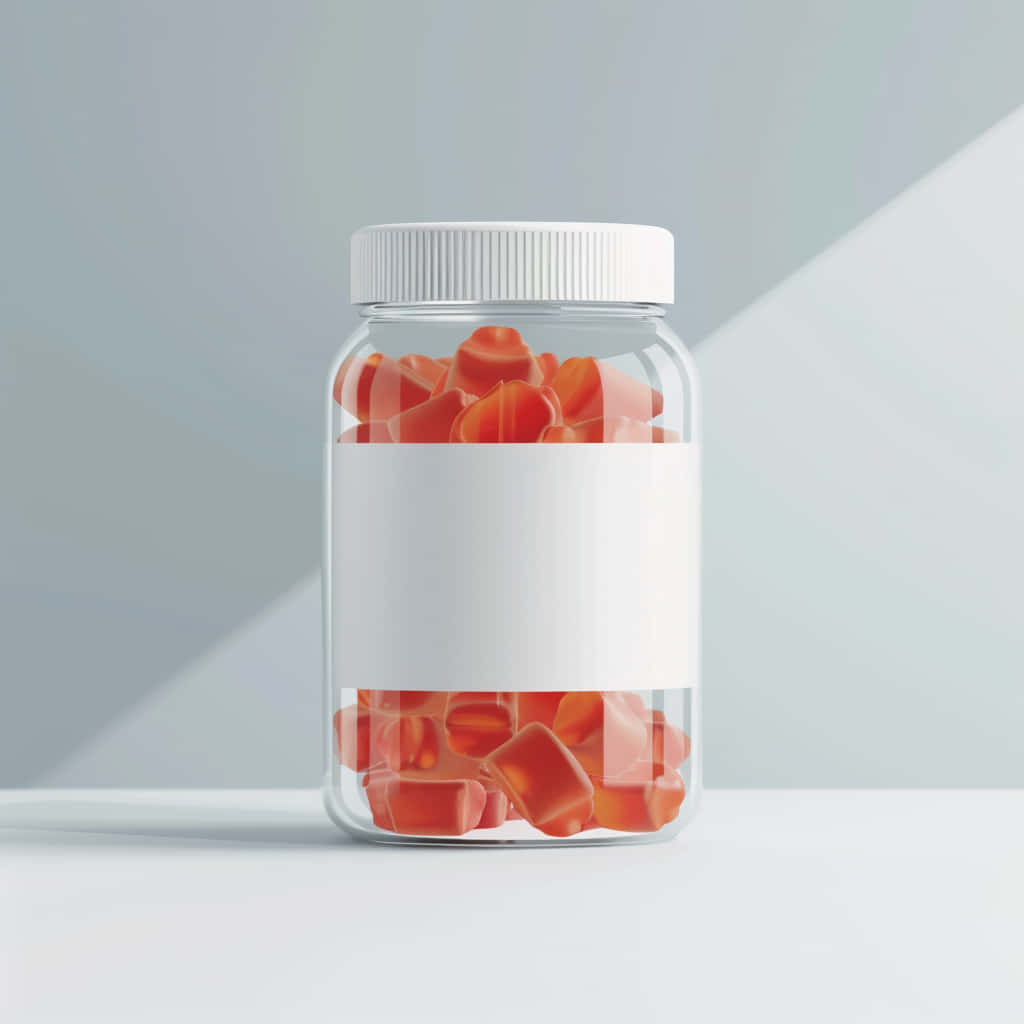
6+ Top private label cbd gummies manufacturers
Wonnda works with the best private label cbd gummies manufacturers. Here is a list of trusted suppliers from our network.
 Private LabelContract Manufacturing
Netherlands-based manufacturer producing cbd gummies, cbd oils, cbd capsules, available to brands sourcing cbd gummies.
- Country
- Netherlands
- MOQ
- Lead time
 Private LabelContract Manufacturing
Slovenia-based manufacturer producing full-spectrum cbd oil, cbd extracts (bulk ingredients), cbd skincare topicals, available to brands sourcing cbd gummies.
- Country
- Slovenia
- MOQ
- Lead time
 Private LabelContract Manufacturing
Netherlands-based manufacturer producing alcoholic cocktail gummies, cocktail confectionery, alcoholic sweets, available to brands sourcing cbd gummies.
- Country
- Netherlands
- MOQ
- Lead time
 Private LabelContract Manufacturing
The leading gummy private label manufacturer located in Germany
- Country
- -
- MOQ
- Lead time
 Private LabelContract Manufacturing
Mushroom Supplement Manufacturing for Private Label Brands
- Country
- -
- MOQ
- Lead time
 Private LabelContract Manufacturing
Organ-Based Private Label Supplements
- Country
- USA
- MOQ
- Lead time
Compare MOQs and lead times
Quick side-by-side of the shortlist. Missing values shown as a dash.
| Supplier | Location | Types | MOQ | Lead time |
|---|---|---|---|---|
| CBD Oil Europe | Netherlands | PL · CM | ||
| Essentia Pura d.o.o. | Slovenia | PL · CM | ||
| Smith & Sinclair B.V. | Netherlands | PL · CM | ||
| Amapharm GmbH | - | PL · CM | ||
| Supplement Factory UK | - | PL · CM | ||
| SMP Nutra | USA | PL · CM |
Buyer criteria
- CBD potency per gummy verified
Each gummy must carry the labeled CBD milligrams, so require a per-batch certificate of analysis confirming finished-gummy CBD content, not just the bulk extract. Ask how CBD is kept uniform across the batch and assayed in finished product. CBD dosing is closely scrutinized by buyers and regulators, so unverified per-gummy potency is a trust and compliance failure.
- THC compliance for each market
THC limits for CBD products vary by country, so confirm the extract spectrum and finished THC level meet each destination market's rules, documented by testing. A broad-spectrum or isolate extract controls THC, but only the finished assay proves it. Verify the actual THC figure rather than trusting the spectrum name, since a non-compliant THC level makes the product illegal to sell.
- Novel Food and food compliance
CBD faces Novel Food authorization requirements in the EU that affect whether and where you can sell, so confirm the manufacturer understands the position for your target markets and that the product can be legally placed there. An experienced CBD partner should flag this before formulation. A missing Novel Food position is a fundamental barrier, not a detail to resolve later.
- CBD stability and overage in the gummy
CBD must survive cooking and the humid matrix to expiry, so confirm the manufacturer formulates with an overage backed by stability data and assays finished gummies over time. Ask how they prove the CBD claim holds at expiry. A gummy that tests on dose at production but falls below claim later is a label-claim failure in a closely watched category.
- Contaminant testing on hemp
Hemp accumulates heavy metals and can carry pesticide residues, so require per-batch heavy-metal, pesticide, and microbiological testing alongside the CBD and THC assay. Ask for the full CoA and the hemp source. In a daily-use gummy, missing contaminant data is a safety gap, so complete screening should be standard given the scrutiny CBD attracts.
Red flags
- No per-batch CoA for CBD and THC
If the manufacturer cannot provide a certificate of analysis per batch confirming CBD potency and THC level, you cannot prove the dose is accurate or the product legal. This is the defining trust and compliance document in CBD, and its absence is disqualifying, since both inaccurate dosing and an illegal THC level carry serious consequences in this scrutinized category.
- No Novel Food position
A manufacturer who cannot speak to CBD's Novel Food status and food compliance for your target markets is exposing you to selling an unauthorized product. CBD's regulatory position in the EU is a fundamental barrier, not a formality, so a partner who does not raise it either lacks CBD experience or is leaving the legal risk entirely on you.
- CBD dose unverified in finished gummies
If only the bulk extract is tested and finished gummies are not assayed for CBD per piece, the dosing claim is unproven, and uneven incorporation or degradation can leave gummies off-dose. In a category where buyers and regulators check CBD content closely, shipping gummies whose per-piece potency is unverified is a label-claim and trust failure waiting to surface.
- No contaminant or pesticide testing
Hemp draws up heavy metals and can carry pesticides, so a manufacturer that does not test each batch for these is exposing consumers and your brand to contaminant failures. In a daily-use CBD gummy under heavy scrutiny, skipping heavy-metal and pesticide testing is a safety shortcut that no attractive extract price can justify.
Manufacturing process
- 01
Regulatory and Novel Food position
CBD faces Novel Food authorization and varying food rules across the EU, so the legal status and permitted claims for each target market are confirmed first. This shapes whether and where the product can be sold. The regulatory screen precedes formulation, since a non-compliant or unauthorized position stops the product regardless of recipe quality.
- 02
Extract spectrum and potency selection
A broad-spectrum or isolate CBD extract is chosen to control THC, and the target CBD per gummy is set. The extract is procured against a specification for CBD percentage and THC level, with an incoming certificate of analysis verifying potency and contaminants. The spectrum choice fixes the THC compliance basis for the finished gummy.
- 03
Formulation with overage and masking
CBD is formulated into the gummy with an overage to hold the dose through cooking and shelf life, and flavors are tuned to mask the earthy, bitter hemp note. The base and sweetener system are selected. Even CBD incorporation is designed in so each gummy carries the labeled milligrams rather than varying across the batch.
- 04
Cooking and CBD incorporation
The base, sweeteners, and water are cooked to target solids, then CBD, flavors, colors, and acids are added at controlled temperature so the cannabinoid is evenly dispersed without degrading. The slurry is held at depositing conditions. Uniform CBD dispersion at this stage is what makes per-gummy dosing accurate.
- 05
Depositing into molds
The slurry is deposited into molds by volume so each gummy carries the intended CBD load. Deposit accuracy controls the milligrams per gummy, which is the basis of the dosing claim. Mold cavity size is matched to the dose and format. Consistent depositing is essential because CBD dose accuracy is closely scrutinized.
- 06
Curing and finishing
Gummies cure to final texture and moisture, then are demolded and finished with an anti-stick coating. Curing time depends on the base. Finishing controls clumping in the pack. The cured texture and a clean coating give the premium feel the category expects, since CBD gummies often sit at a higher price point.
- 07
Quality control and CBD assay
QC assays CBD per gummy against claim, confirms THC is within the legal limit, and tests microbiological limits, moisture, heavy metals, and pesticides, since hemp accumulates contaminants. Per-batch certificates document CBD potency, THC level, and contaminants, which are central to trust. Gummies are packed in moisture-controlled packaging and lot-coded.
Understanding cbd gummies private-label manufacturing
The CBD Gummy Challenge
CBD gummies present a unique manufacturing challenge, combining confectionery production with strict CBD compliance. The core difficulty lies in achieving an accurate and stable CBD dose within a cooked, humid gummy matrix. This process must also adhere to THC limits and evolving regulations like Novel Food status within the EU.
Ensuring even distribution of CBD so each gummy contains the labeled milligrams is critical. The CBD must remain stable through the cooking process and within the sugar-rich matrix until expiry, often requiring an overage and precise extract incorporation. The chosen extract spectrum (broad-spectrum or isolate) directly influences THC content, which must be verified through testing to stay within legal limits. Taste masking is also crucial due to the earthy, bitter notes of hemp extract.
Sourcing and Manufacturing
Sourcing for CBD gummies typically involves specialist gummy manufacturers and CBD extract suppliers. Production is concentrated in regions where both gummy lines and compliant hemp extraction coexist, such as parts of Central Europe, with finishing occurring in countries like Germany, the Netherlands, and the UK. The EU's Novel Food authorization requirements significantly influence who can sell these products and where.
Typical Minimum Order Quantities (MOQs) for custom CBD gummies range from 10,000 to 30,000 units, reflecting standard gummy manufacturing economics. Lead times for these orders are generally 8 to 14 weeks. The primary cost drivers, in order, are the CBD extract (its spectrum and potency), the gummy base and sweetener, the flavor and color system, and finally, depositing and packaging. The extract and its associated compliance documentation are paramount in sourcing decisions.
Market and Quality Assurance
Buyers of private label CBD gummies are often wellness and lifestyle D2C brands, specialized CBD retailers, and brands expanding their CBD product lines. The consumer market for CBD gummies emphasizes quality and a narrative of calm or wellbeing. Therefore, product differentiation relies on transparent Certificates of Analysis (CoAs), accurate CBD per gummy, and clear compliance with THC limits and Novel Food regulations.
When qualifying a manufacturing partner, verifying CBD potency, adherence to THC limits, Novel Food status for the target market, and gummy stability are more critical than unit price. Inaccurate dosing, non-compliant THC levels, or a lack of Novel Food authorization can lead to significant legal and trust issues within this highly scrutinized product category.
Comparing formats first? See the full overview of private label gummy manufacturers for MOQ, gelling systems and EU requirements across every gummy format.
Frequently asked questions
How is CBD dosing kept accurate in a gummy?+
What THC limit applies to CBD gummies?+
Do CBD gummies face Novel Food rules in the EU?+
Why do CBD gummies sometimes taste bitter or earthy?+
What MOQ should I expect for CBD gummies?+
Should I use broad-spectrum or isolate CBD in my gummies?+
Explore adjacent product types
Get a vetted shortlist of cbd gummies suppliers in 48 hours.
Post a brief on Wonnda. Free, no commitment. We match you with vetted manufacturers that fit your MOQ, format and market.