
The Best Ingredients for Sensitive Skin

Key Takeaways:
- Choosing suitable ingredients is crucial for managing sensitive skin effectively. Ingredients like Panthenol, Hyaluronic Acid, Ceramides, Aloe Vera, Chamomile, and Green Tea are highlighted for their soothing, hydrating, and protective properties.
- Sensitive skin is characterized by reactions such as stinging, burning, or irritation from products, environmental factors, and conditions like eczema or rosacea.
- Managing sensitive skin effectively requires avoiding harsh chemicals and fragrances, using gentle skincare methods, applying sunscreen daily, and consulting with a dermatologist for persistent issues.
Sensitive skin requires special care and attention to avoid irritation and maintain its health. Choosing the right ingredients in your skincare routine can make a significant difference. This article highlights some of the best ingredients for sensitive skin, including Panthenol, Hyaluronic Acid, Ceramides, Aloe Vera, Chamomile, and Green Tea. These ingredients are known for their soothing, hydrating, and protective properties, making them ideal for managing sensitive skin and preventing further irritation
What is sensitive skin?
Sensitive skin can be difficult to define, but if your skin stings or burns after using skincare products, it is generally considered sensitive. Other common triggers include sun exposure, exercise, or extreme temperatures. Conditions such as eczema, rosacea, or psoriasis can also contribute to skin sensitivity, as can allergic reactions. Additionally, certain lifestyle factors, like stress or diet, can make sensitivity worse.
Properly managing sensitive skin is crucial to avoid worsening these conditions. Using the right skincare products can improve the look and feel of your skin. Learning more about effective care practices for sensitive skin is essential to maintaining its health and comfort.
What causes sensitive skin?
Sensitive skin can be caused by a variety of factors, including genetics, skin conditions like eczema, rosacea, psoriasis, and dermatitis, and environmental factors such as sun exposure, extreme temperatures, wind, and pollution. Allergic reactions to ingredients in skincare products, fragrances, or fabrics can also lead to sensitivity.
Additionally, lifestyle factors such as stress, poor diet, and lack of sleep can exacerbate skin sensitivity. Using harsh products with chemicals, fragrances, or alcohol can strip the skin of its natural barrier, increasing sensitivity. Understanding and managing these causes can help reduce sensitivity and improve skin health.
Best ingredients for sensitive skin
Aloe Vera
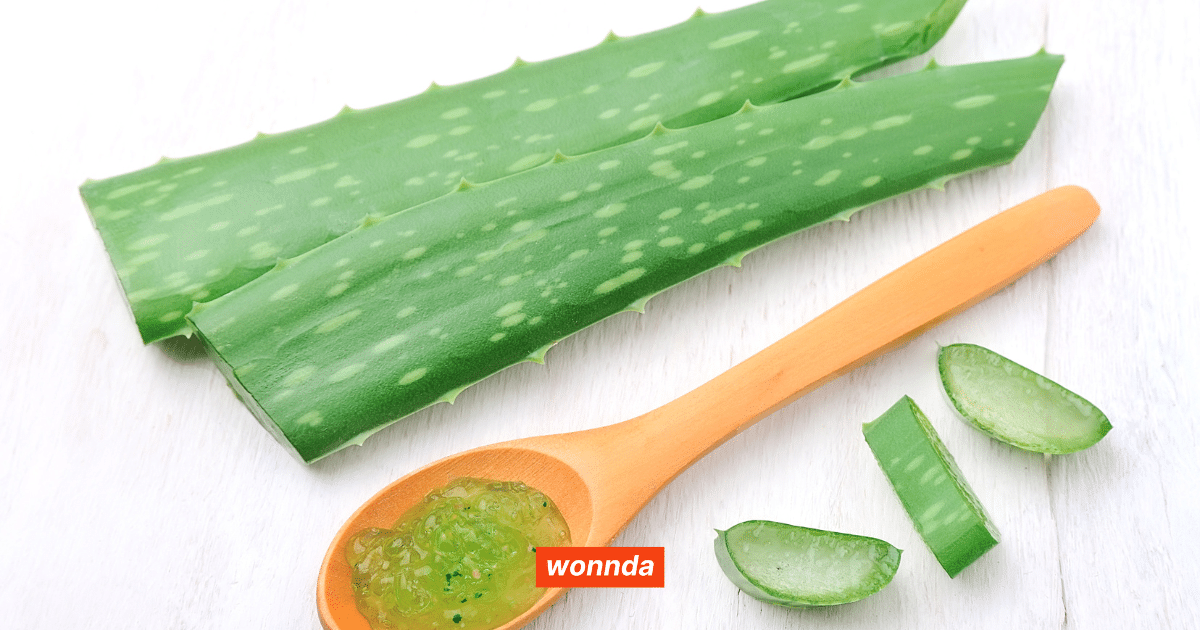
Famous for its soothing and anti-inflammatory properties, aloe vera is a natural remedy for sensitive skin. It provides a cooling effect that calms irritated skin, reduces redness, and accelerates healing. Aloe vera's high water content offers deep hydration, ensuring the skin remains soft and supple. Additionally, it contains vitamins, enzymes, and antioxidants that nourish the skin and protect it from environmental damage. Its gentle nature makes it ideal for alleviating various skin conditions like eczema and psoriasis, promoting overall skin health.
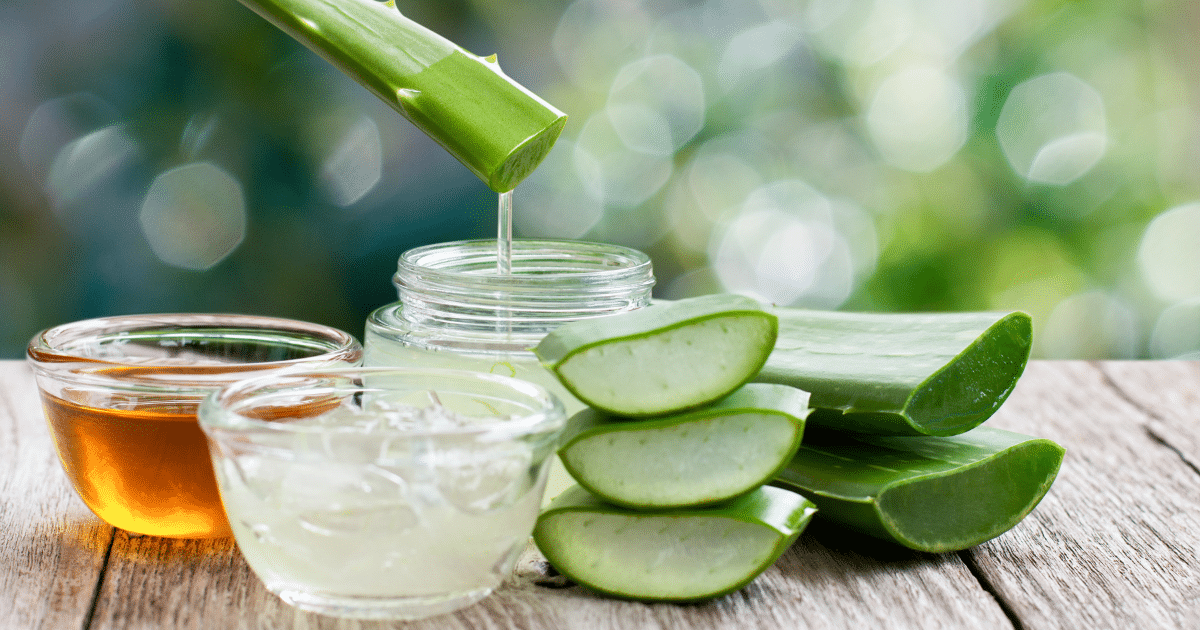
Aloe vera as a great ingredient for sensitive skin
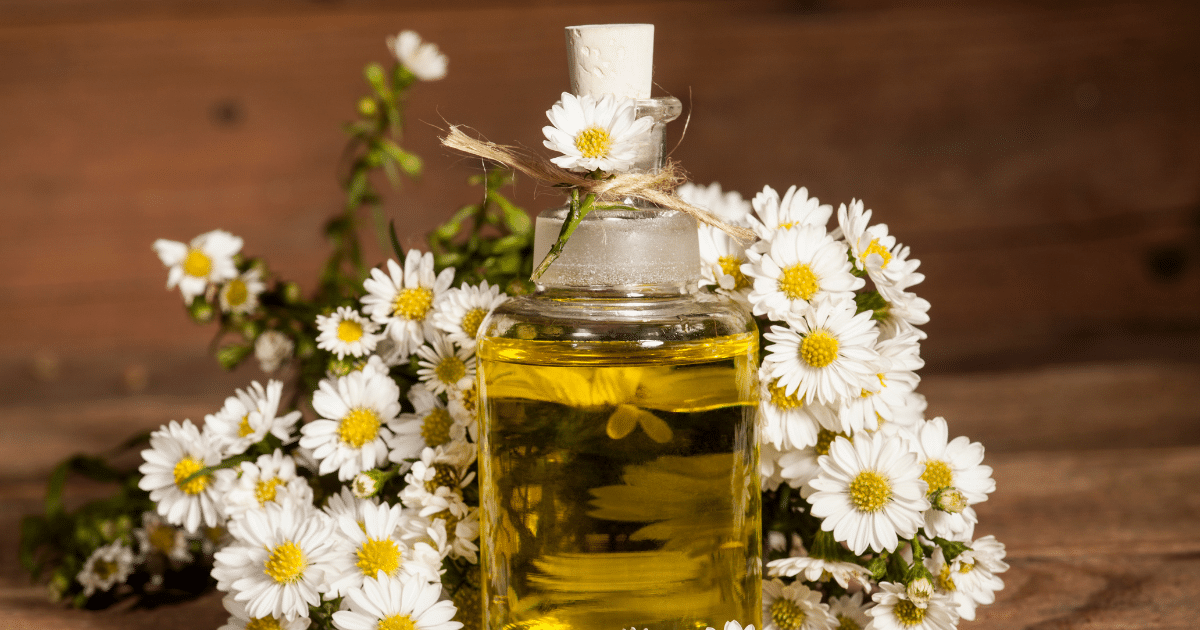
Rich in antioxidants chamomile for sensitive skin
Chamomile
Chamomile is a gentle and soothing ingredient perfect for sensitive skin. It is rich in antioxidants like flavonoids and apigenin, which help reduce inflammation and redness. Chamomile's anti-inflammatory properties make it effective for calming skin conditions such as eczema, dermatitis, and rosacea. It also aids in healing minor wounds and restoring the skin’s natural moisture barrier, promoting overall skin health and resilience. Its calming effect soothes irritated skin, making it a valuable addition to skincare routines for those with sensitive skin.
Panthenol
Known as provitamin B5, panthenol is renowned for its ability to deeply hydrate and soothe the skin. It transforms into pantothenic acid upon absorption, which is crucial for skin health. This ingredient effectively reduces inflammation and redness, making it ideal for sensitive skin types. Panthenol also enhances the skin's natural barrier, helping it retain moisture and promote healing. Its calming properties make it the most important ingredient in many sensitive skin formulations.
Hyaluronic Acid
This powerful humectant can hold up to 1,000 times its weight in water, making it an excellent hydrating agent. Hyaluronic acid is naturally present in the skin but diminishes with age. For sensitive skin, it provides deep hydration without clogging pores or causing irritation. It plumps up the skin, reducing the appearance of fine lines and making the complexion appear more youthful and radiant. Its gentle nature ensures that even the most reactive skin types benefit from its moisturizing properties.
Green Tea
Green tea is a great ingredient for sensitive skin because of its antioxidants, which help reduce inflammation and protect the skin from damage. Its anti-inflammatory properties can calm irritated skin and help with issues like acne and rosacea. Green tea also fights aging by reducing free radicals and has antibacterial effects that can help reduce acne by controlling bacteria and oil production. Additionally, it can help soothe sunburned skin and reduce redness, making it a versatile ingredient for sensitive skin care.
Ceramides
These lipid molecules are essential for maintaining the integrity of the skin’s barrier. Ceramides make up about 50% of the skin’s composition and play a vital role in protecting against environmental aggressors and preventing moisture loss. For sensitive skin, ceramides help repair the barrier function, reducing dryness, irritation, and sensitivity to allergens. By replenishing the skin's natural ceramide levels, these ingredients help maintain a healthy, hydrated, and resilient complexion.
Tips for sensitive skin
Managing sensitive skin can be challenging, but with the right approach, you can minimize irritation and maintain a healthy complexion. Here are some essential tips for sensitive skin:
Avoid chemicals and fragrances
Opt for skincare products free of harsh chemicals and fragrances, as these can often irritate sensitive skin. Choose products labeled as hypoallergenic, fragrance-free, and suitable for sensitive skin. Natural and organic products with minimal ingredients are also good options.
Be gentle with your skin
Use mild cleansers and apply them with your fingertips rather than rough washcloths or sponges. Pat your skin dry with a soft towel instead of rubbing it, and avoid using hot water, which can strip the skin of its natural oils and exacerbate sensitivity. Look for gentle, moisturizing products that soothe and protect the skin.
Always apply sunscreen
Protect your skin from the sun's harmful UV rays by using a good sunscreen with an SPF of at least 30. For the face it is adviced to use SPF 50. Choose a sunscreen specifically formulated for sensitive skin to avoid potential irritation. Make sure to apply it daily, even on cloudy days, and reapply every two hours when outdoors.
Make an appointment with a dermatologist
If you experience persistent sensitivity or reactions, consult it with a dermatologist. They can help identify the causes of your sensitivity and recommend appropriate treatments or products tailored to your skin's specific needs. Regular check-ups can also help manage any underlying conditions contributing to sensitivity, such as eczema or rosacea, and provide professional guidance for maintaining healthy skin.
Related articles

15+ Best Longevity Supplements - 2026 List

10+ Best Products to Sell from Home in 2026
Best Products to Sell on Instagram in 2026

10 Innovative Creator Economy Startups to Watch in 2026

The 10 Best Brain-Boosting Focus Supplements in 2026

How to Start a Skincare Line: 2026 Guide

Cannabis Benefits, Regulations, and CBD Ideas in 2026
The Top 5 Natural Ingredients for Your Supplement Brand in 2026