How to Brand a Beauty Product: From Name to Packaging

Key Takeaways:
- A strong beauty brand starts with a clear identity and consistent storytelling
- Packaging is more than design - it’s your product’s first impression and a key part of customer experience
- Platforms like Wonnda make it easier to go from concept to shelf with vetted manufacturers and flexible private label solutions
Why Branding Matters in Beauty
The beauty industry is booming but it’s also more competitive than ever. Whether you're launching a skincare line, makeup range, or wellness product, branding plays a critical role in your success. It's not just about having a good formula; it's about building a brand that looks, feels, and connects with your audience.
In this guide, we’ll walk you through the full branding process, from choosing your brand name to finalizing your packaging, so your beauty product doesn’t just blend in, but stands out.
How to Brand a Beauty Product: Step-by-Step Breakdown
Step 1: Define Your Brand Identity
Before you design a logo or pick a font, take a step back and ask: What does your brand stand for?
Your identity is the foundation of everything - from your packaging to your Instagram captions. It should feel authentic, focused, and emotionally engaging. This is how you’ll stand out in a crowded beauty market.
Start by asking yourself:
- What problem does my product solve?
- Who is my ideal customer?
- What values does my brand reflect (e.g., clean beauty, inclusivity, sustainability)?
- How do I want customers to feel when they see or use my product?
Create a brand story that’s easy to communicate and inspires trust. A strong brand identity helps guide your decisions later - like naming, messaging, and product positioning.
Pro tip: Use tools like Canva, Notion, or Pinterest to build a visual mood board that captures your aesthetic - colors, textures, typography, and design inspiration.
Step 2: Choose the Right Name
Your brand name is one of the most important decisions you’ll make. It should capture the essence of your product while being easy to remember and spell.
Here’s what to aim for:
- Memorable – Short, catchy, and clear
- Unique – Different from competitors in your category
- On-brand – Reflects your tone, values, or product focus (e.g., minimalist, clinical, bold)
- Scalable – Works for future product lines or categories
Before committing, check domain availability and secure your social handles. Do a trademark search to make sure the name is available in your key markets (U.S., EU, etc.).
If you plan to expand internationally, also consider how the name sounds in other languages or cultures.
Step 3: Design Your Visual Identity
Once you’ve defined your brand’s personality and purpose, it’s time to bring it to life visually. Your visual identity is what customers will first notice - on shelves, online, and across every touchpoint - so it needs to reflect your values and resonate with your audience.
A strong visual identity creates instant recognition. It helps your beauty product stand out in a crowded marketplace and builds trust through consistency. Think of it as your brand’s “face”, what people remember and connect with.
Here’s what to focus on:
Logo
Your logo should be clean, memorable, and easy to apply across different formats (labels, websites, email headers, social media, etc.).
- Create versions for light and dark backgrounds
- Make sure it’s legible in small sizes, like mobile screens or jar lids
- Consider a symbol or icon version for minimal packaging or stamps
Color Palette
Stick to a defined palette of 2 to 4 main colors. Your choices should reflect your brand’s energy and positioning:
- Soft neutrals for clean, minimalist beauty
- Earth tones for natural and sustainable brands
- Bold or pastel hues for playful, Gen Z-focused skincare
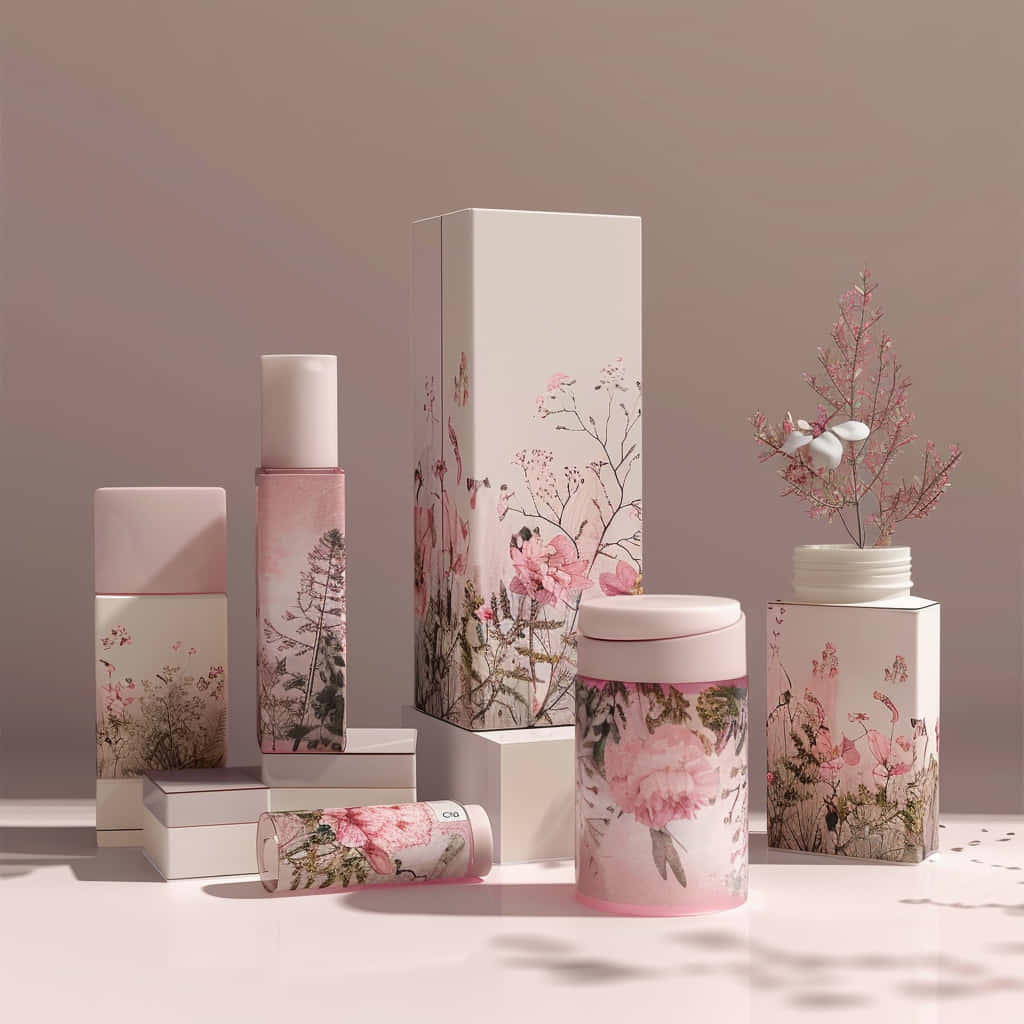
Private label beauty line.
Typography
Typography builds the tone of your brand’s messaging.
- Choose one or two typefaces: a main headline font and a secondary body font
- Prioritize readability and alignment with your brand’s aesthetic (e.g., modern, elegant, edgy, clinical)
- Use the same font stack across your product labels, website, and social media graphics
Visual Language
Your visual identity goes beyond your logo and colors. It includes:
- Photography style: Bright and natural? Studio-lit and luxe? Soft and dreamy?
- Graphic elements: Use icons, borders, lines, and textures consistently
- Shapes and layout: Consider rounded vs. sharp edges, symmetry vs. organic design
- Motion and video style (if applicable): Short-form, cinematic, raw, polished?
Consistency across all of these elements helps your brand feel professional and polished even if you’re just starting from home.
Why It Matters
In the beauty space, your visual identity isn’t just design - it’s strategy.
It influences how people feel about your product before they even try it. A consistent, well-crafted look builds credibility, brand love, and repeat customers.
Step 4: Craft Your Messaging
Your visuals draw people in, but your words are what keep them engaged. In a world where beauty brands are everywhere, what you say and how you say it can make your product feel personal, authentic, and unforgettable.
Your brand messaging is the voice of your brand. It helps customers understand who you are, what you stand for, and why your product is the right choice for them. It sets the tone for how people connect with you emotionally and what they’ll remember long after the first purchase.
Here’s how to develop strong, consistent messaging across every customer touchpoint:
Tagline
Create a short, punchy phrase that captures the heart of your brand.
It could be inspiring, playful, or purpose-driven - whatever reflects your identity.
- Example: “Beauty that gives back” for a cause-driven brand
- Example: “Skin first. Simplicity always.” for a minimalist skincare line
- Example: “Your daily ritual, redefined” for a wellness-inspired collection
A good tagline works on packaging, social bios, website headers, and even email signatures.
Tone of Voice
How would your brand sound if it were a person?
Define the tone you want to use in everything from product labels to customer support replies.
- Fun and casual – Think modern DTC brands that talk like a best friend
- Calm and nurturing – Great for clean, sensitive-skin-focused brands
- Expert and clinical – Ideal for dermatology-backed or science-driven formulas
- Empowering and bold – Perfect for brands that challenge beauty standards
Once you lock in your tone, be consistent. It builds familiarity and trust over time.
Product Descriptions
Focus on clear, benefit-led writing that helps your customer understand what the product does and why they need it. Instead of:
“Enriched with naturally derived emollients and phytochemical compounds...”
Try:
“Packed with plant-based ingredients to soften, soothe, and protect dry skin.”
Each product description should feel like it’s written just for your audience, whether they’re skincare beginners or ingredient junkies.
Ingredient Storytelling
People are more curious than ever about what they put on their skin. Tell the story behind your ingredients, but keep it simple and relatable.
- Say “known to calm redness and irritation” instead of “contains bisabolol.”
- Talk about “Hyaluronic Acid to boost hydration” or “Vitamin C to brighten dull skin.”
For an added touch, share sourcing details like “aloe harvested from certified organic farms in Spain” or “cold-pressed rosehip oil from Chilean wild roses.” This creates transparency and enhances brand storytelling.
Consistency Across All Channels
The same voice should appear across:
- Website product pages and FAQs
- Social media captions and hashtags
- Packaging and inserts
- Email newsletters and automated flows
- Customer support responses
Consistency builds credibility and brand recognition. Over time, your audience will come to recognize your tone even before they see your name.
Step 5: Choose the Right Packaging Format
Your packaging isn’t just for looks - it’s functional, emotional, and often the first thing a customer experiences.
Start by considering:
- What kind of product are you selling? (e.g., a serum, balm, clay mask)
- Should it be refillable, eco-friendly, or travel-sized?
- What’s your customer expecting from a product at your price point?
Common beauty packaging options include:
- Glass dropper bottles – Ideal for oils, serums, and premium SKUs
- Airless pumps – Great for creams and protecting sensitive formulas
- Recyclable tubes or jars – Affordable and practical for moisturizers or masks
- Sticks or sachets – Handy for travel-size or wellness crossovers
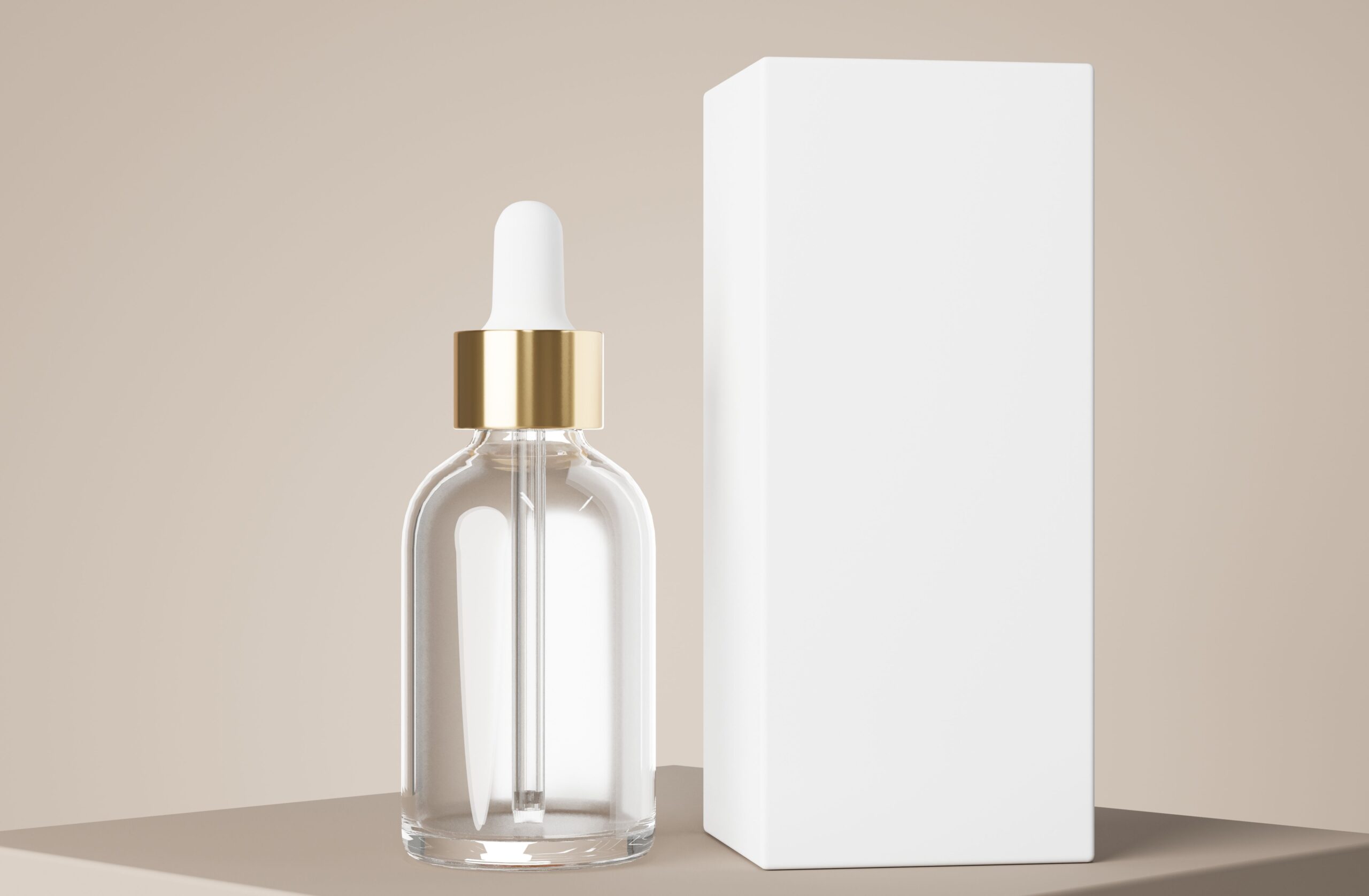
Glass dropper bottle.
Packaging format also impacts logistics, cost, shelf presence, and compliance so make sure to choose with intention.
Step 6: Design the Packaging
With your packaging format chosen, whether it's a glass jar, airless pump, or recyclable tube, it’s time to bring your packaging design to life. This step combines creativity, strategy, and compliance to ensure that your product not only looks great but is also legally market-ready and aligned with your brand identity.
Your packaging is your brand’s first impression on the shelf or screen. It’s the bridge between curiosity and conversion and a key reason why a customer might choose your product over another.
What to Include on the Packaging
At a minimum, your product packaging should clearly display:
Brand name and logo: So customers immediately know who you are. Make sure it’s legible and well-placed, especially on smaller items like lip balms or serum bottles.
Product name and function: Describe what the product is and what it does e.g., “Soothing Hydration Cream” or “Daily Vitamin C Serum.”
Ingredient highlights or benefit claims: This is your moment to spotlight what makes the product appealing. Phrases like “with hyaluronic acid & aloe vera” or “brightens & evens skin tone” quickly communicate value.
Volume or weight: Standard practice includes listing the net contents in milliliters or ounces (e.g., 50 ml / 1.7 fl oz).
Usage instructions: Simple guidance like “Apply morning and night” or “Use 2–3 times per week” improves the customer experience and reduces confusion.
Legal/regulatory info: Depending on your market (U.S., EU, etc.), you may need:
- Full ingredient list (INCI format)
- Batch/lot number and expiration date
- Country of origin
- Name and address of manufacturer or distributor
- Warning labels (e.g., "For external use only")
Sustainability or certification icons: If your product is organic, vegan, cruelty-free, or certified in any way (USDA Organic, Leaping Bunny, COSMOS), include the proper icons or logos—only if you’re certified.
Allergen or sensitivity warnings : This builds transparency and trust. Common examples: “Contains nut oils,” or “Patch test before use.”
Design Tips for a Premium Look
To stand out in the beauty aisle (or on Instagram), your packaging design should feel cohesive, on-brand, and high-quality.
- Use your color palette and typography from your visual identity
- Create a label layout that balances beauty and clarity - leave space to breathe
- Match your packaging material with your design, for example, a matte finish pairs well with muted, minimalist branding, while glossy labels enhance bold or colorful designs
- Think about the full experience: outer box, inner tray, inserts, tissue paper, and thank-you cards
If you’re unsure where to begin, work with a designer who has experience in cosmetic or skincare packaging. They can help ensure your artwork files are print-ready and compliant with your region’s laws.
Step 7: Source Smart with Private Label or Custom Formulation
You’ve built your brand - now it’s time to bring the product to life.
You can either:
- Go private label – Choose a ready-made formula from a manufacturer and add your branding. This is faster and more cost-effective.
- Develop a custom formulation – Work with a lab to create something unique from scratch. It takes longer and costs more, but offers full control.
If you want to save time and minimize risk, Wonnda helps you:
- Discover vetted beauty manufacturers
- Filter suppliers by category, certifications (e.g., vegan, cruelty-free), or MOQ
- Request samples and quotes
- Manage the full sourcing and production process in one place
Whether you’re starting with one hero product or scaling a collection, Wonnda helps streamline your operations.
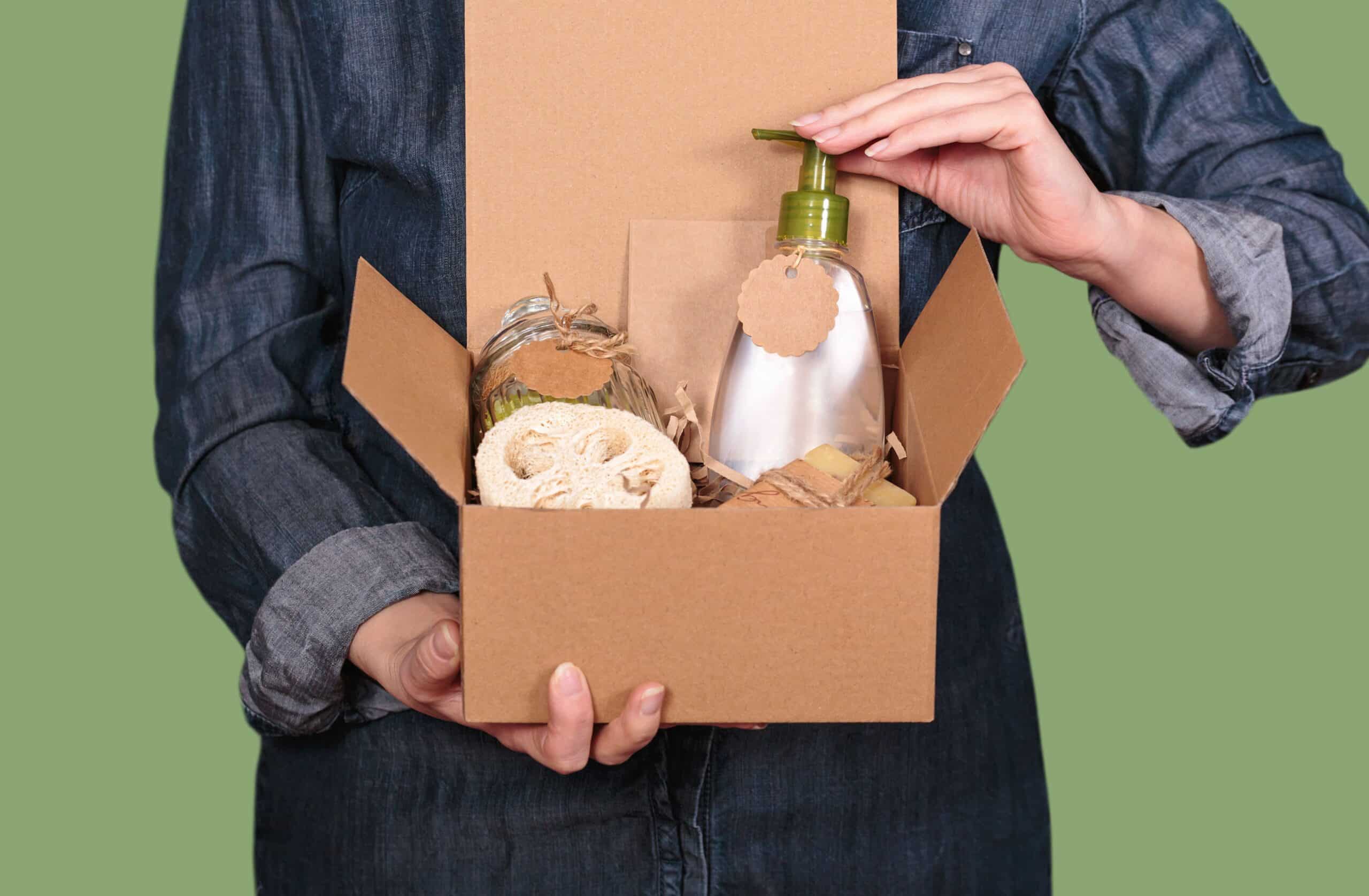
Step 8: Build the Unboxing Experience
In the world of beauty branding, the moment your customer opens the package is just as important as what’s inside. The unboxing experience isn’t just about delivering a product - it’s about delivering a feeling. It’s your first physical touchpoint with the customer, and when done right, it can turn a first-time buyer into a repeat customer or even a brand ambassador.
Especially in DTC (direct-to-consumer) beauty, unboxing is your first real-world brand moment. It’s where online meets offline. It’s also a chance to impress, surprise, and connect.
Here’s how to make that moment count:
Start with the Packaging Layers
The outside of your shipping box should reflect the care and intention behind your product. Think beyond plain cardboard:
- Custom branded shipping boxes with your logo, colors, or a message
- Recyclable or eco-friendly packaging materials to align with sustainability goals
- Inner tissue paper, stickers, or wraps in your brand colors
- Neatly organized product placement, so it feels more like a gift than an order
Even a simple kraft box can feel premium with the right inner layers and details.
Include Personal Touches
Adding a few personal elements can elevate the experience and help build customer loyalty:
- Printed or handwritten thank-you notes - brief, thoughtful, and on-brand
- A brand card or mini story insert - tell them why your product was made and what you stand for
- Care instructions - explain how to get the best use out of the product
- QR codes - link to tutorials, usage guides, playlists, or your social channels
Add Value With Extras
While not always necessary, small extras can leave a lasting impression:
- A free sample of another product in your line
- A discount code for their next purchase
- A referral card to share with friends
Create a Shareable Moment
Remember, many customers love sharing unboxing videos on TikTok, Instagram, or YouTube. A beautiful unboxing encourages user-generated content that markets your brand for free.
To make your package more “camera-ready,” think about:
- Consistent brand colors throughout the box
- A neat, layered unboxing flow (top to bottom)
- Messaging that makes people smile (“You look great already,” “Glow mode: activated,” etc.)
Summary: Why Branding Matters in Beauty
In today’s crowded beauty market, great branding is just as important as a great formula. Whether you're launching skincare, makeup, or wellness products, strong branding helps you stand out, build trust, and connect emotionally with your audience.
This article guides you through the full beauty branding process - from defining your identity and choosing a name, to designing your logo, packaging, and unboxing experience. It covers every essential step, including how to craft messaging that speaks to your customers and how to source production through platforms like Wonnda.
Whether you’re a solo founder or scaling an existing brand, this guide shows how to build a beauty brand that’s consistent, memorable, and built for growth.
Related articles
10+ Best Doypack Suppliers in Europe (2026 List)
10+ Best European Packaging Suppliers in 2026

Stainless Steel Cookware Manufacturing: Materials, Processes, and What Buyers Should Know
Best Care Label Manufacturers and Wash Label Suppliers (2026)
10+ Best Woven Label Manufacturers in Europe and Turkey (2026)
The Complete Guide to Sustainable Textile Labels and Certifications (2026)
Clothing Label Requirements in Europe: What Fashion Brands Must Include (2026)
Best Sustainable Label Manufacturers for Eco-Conscious Brands (2026)