How Does Beauty Sourcing Work? A Complete Guide for Brands

Key Takeaways:
- Beauty sourcing involves finding and partnering with the right manufacturers to develop, produce, and scale your product line.
- It includes managing samples, packaging, certifications, MOQs, pricing, and compliance.
- Platforms like Wonnda simplify the process by connecting brands with vetted suppliers - all in one place.
Why Smart Sourcing Is Key to a Successful Beauty Brand
Whether you’re launching your first skincare line or expanding your wellness brand into body care, sourcing is where your product journey truly begins. Behind every cream, serum, or shampoo is a complex process of finding the right ingredients, packaging, and manufacturer to bring your vision to life.
Beauty sourcing isn’t just about finding someone who can produce your product. It’s about finding the right partner - someone who understands your niche, can meet your quality standards, and offers the flexibility to grow with you.
Let’s break down how beauty sourcing works and how you can navigate the process with more confidence, speed, and transparency.
Step-by-Step: How the Beauty Sourcing Process Works
Step 1: Define Your Product Vision
Before reaching out to manufacturers, you need to know exactly what you want to create. This is the foundation for everything that follows and the clearer your vision, the smoother the process.
Decide what type of product you’re launching: is it a hydrating face cream, a natural deodorant, a vitamin-infused body mist, or a functional wellness item like a scalp serum or adaptogenic roll-on?
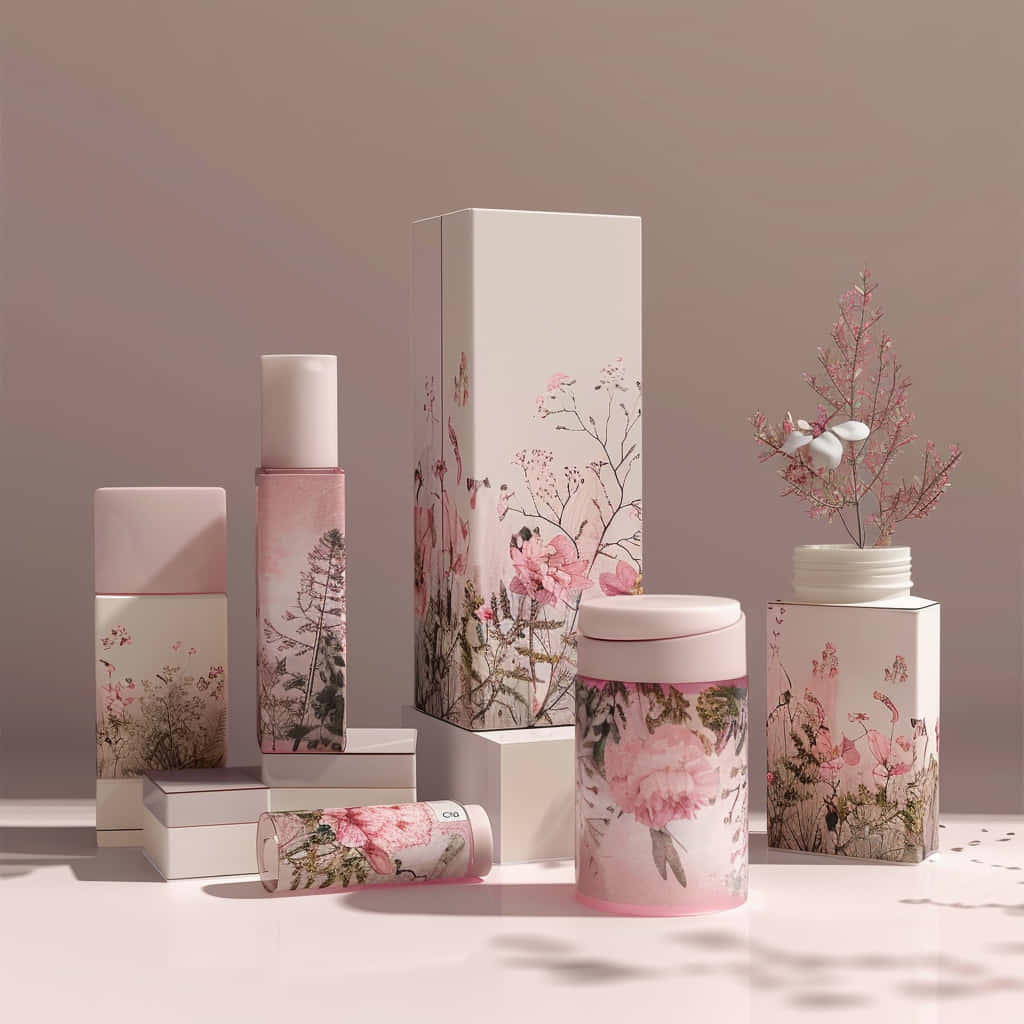
Private label beauty brand.
Then define your key product details:
- What skin concern or beauty goal does it target?
- Who is your customer - what’s their age, routine, lifestyle, and preference?
- What ingredients matter to you? Are you aiming for clean, organic, or functional formulations?
- What packaging formats best suit the product - glass jars, tubes, pumps, sticks?
- What retail price do you envision and what’s your ideal production cost per unit?
Putting these ideas into a simple brief helps suppliers understand your expectations from the start.
Step 2: Choose Between Private Label, White Label and Custom Formulation
Next, decide how involved you want to be in product development. This choice will determine how quickly you can launch, how much customization you’ll have, and what kind of supplier best fits your needs.
White label is the simplest and fastest option. You take an existing, non-customized product that a white label manufacturer already produces, and apply your branding - often with minimal or no changes. These products are typically generic, unbranded items sold by multiple companies under different names. It's a great way to test the market or build a low-risk product line quickly.
Private label offers a bit more flexibility. You still start with a pre-formulated product from a private label manufacturer, but you can often customize elements like fragrance, packaging, or active ingredients. You brand the product as your own, but it’s semi-customized to better align with your audience. It’s ideal for first-time founders or brands entering a new category without needing full R&D.
Custom formulation gives you full control over ingredients, texture, scent, and performance. You’ll collaborate with the manufacturer’s R&D team to create something entirely unique - perfect for brands with a clear vision or specific ingredient requirements (such as vegan, allergen-free, or waterless formulas). This route takes longer and requires more investment, but it offers full product differentiation.
Step 3: Find the Right Beauty Manufacturer
Once you know what you want to make and how you want to make it, you’ll start searching for the right manufacturing partner.
Traditionally, this meant relying on trade shows, industry connections, or endless Google research. Today, sourcing platforms like Wonnda make it easy to search by category, region, MOQ, and certifications.
You should look for manufacturers who:
- Have experience producing your type of product
- Can meet your quality standards and ingredient preferences
- Offer MOQs that match your current budget and scale
- Provide transparency on lead times, costs, and documentation
- Are open to collaboration and communication throughout the process
Tip: Always review a manufacturer’s certifications (GMP, ISO, COSMOS, etc.), look for examples of past clients, and ask about their areas of specialization.
Step 4: Request Samples and Compare
Once you’ve shortlisted 2–5 manufacturers, request samples. This step helps you evaluate product quality and assess business fit.
Start by testing:
- Product texture and absorption
- Fragrance (or fragrance-free profile)
- Packaging appearance and durability
- Ingredient lists and how they align with your brand positioning
- Shelf-life and performance over time
At the same time, request pricing, MOQs, lead times, and what services they include (like compliance support or packaging sourcing).
Sampling is not only about the formula - it’s your opportunity to see how responsive, transparent, and helpful the supplier is. Do they answer questions quickly? Are they proactive in offering solutions? This is where strong partnerships begin.
Step 5: Confirm Compliance and Documentation
Compliance is critical in beauty. Selling a product that doesn’t meet local regulations can result in delays, fines, or recalls especially if you’re entering the EU, U.S., or UK markets.
Your supplier should be able to provide:
- Full INCI ingredient list
- Cosmetic Product Safety Report (CPSR)
- Product Information File (PIF)
- Stability and microbiological test results
- Allergen declaration (especially for EU markets)
- Packaging and labeling compliance support (e.g., claims, language requirements)
If your supplier doesn’t provide this in-house, they may work with regulatory partners or you can hire your own cosmetic compliance expert.
Always confirm who’s responsible for what before moving forward with production.
Step 6: Finalize Packaging and Label Design
Once your formula is approved and tested, it’s time to lock in your packaging both primary (bottle, jar, tube) and secondary (box, sleeve, insert).
Packaging isn’t just visual. It needs to protect the product, match your sustainability goals, comply with legal requirements (like ingredient listings and symbols), and work with your branding.
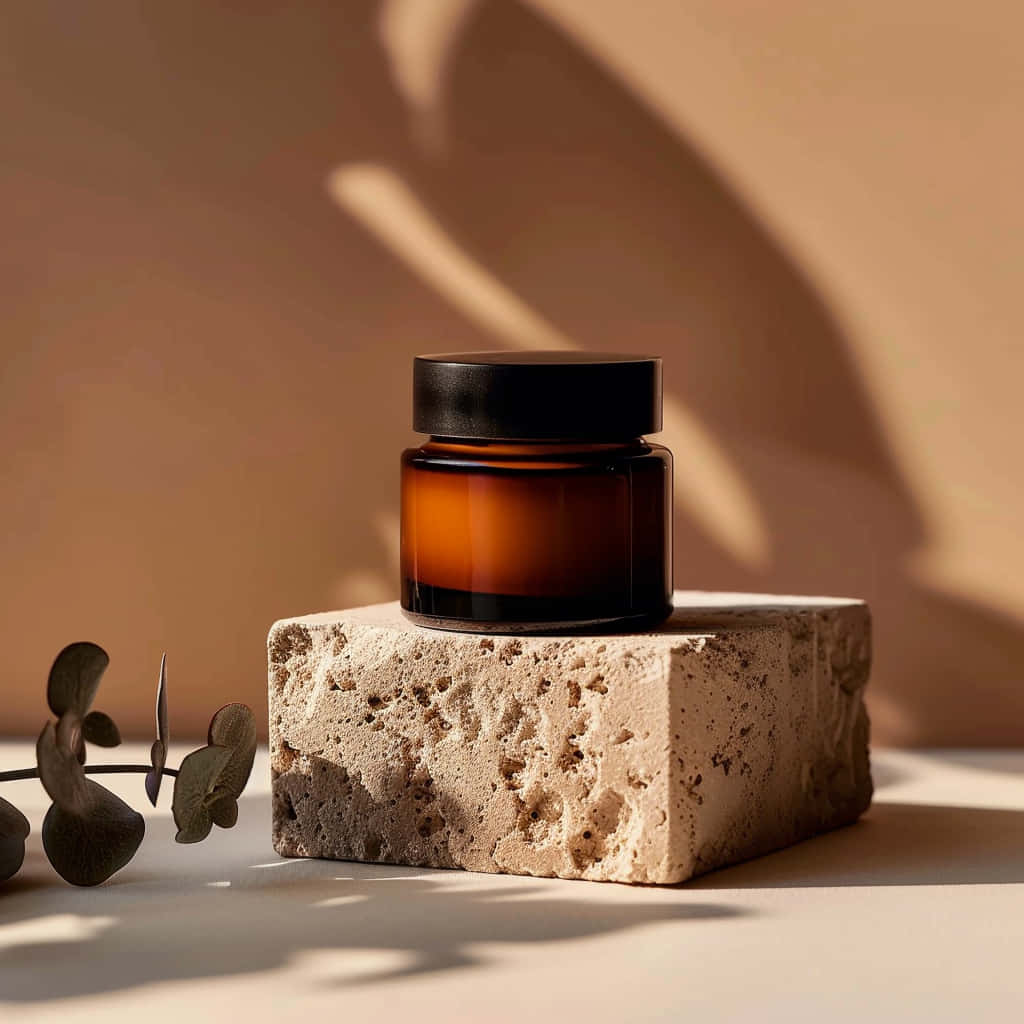
Face cream in a glass jar.
Work with your supplier or a third-party packaging company to finalize:
- Material and recyclability
- Container size and shape
- Printing technique and label application
- Label language, font sizes, ingredient order
- Barcodes and legal symbols
You’ll also need to sign off on digital proofs or physical mockups before production begins.
Step 7: Place Your Order and Prepare for Launch
Once everything is approved, you’ll receive a production timeline. Lead times vary, but typical production takes 6–12 weeks depending on the product type and quantity.
In parallel, start building your launch strategy:
- Set up your ecommerce store or Amazon listings
- Organize shipping and warehousing
- Plan social content and influencer collaborations
- Prepare educational materials on usage, ingredients, and brand values
Most brands start with 500 to 3,000 units for their first order, depending on budget and demand forecasts. You can scale up with each re-order based on performance and customer feedback.
Is Beauty Product Sourcing Profitable?
Yes beauty product sourcing can be highly profitable when managed correctly. Skincare and personal care products tend to have strong retail markups, especially when positioned in the clean, sustainable, or performance-driven categories.
Here’s an example of potential margins:
- Cost to produce per unit: €1.50 – €3.00
- Retail price: €12 – €35 (or more, depending on branding and ingredients)
- Gross margins: 60%–80% for direct-to-consumer brands
- Higher CLTV: Many products are used daily, leading to regular repurchases
Profitability improves as you scale and optimize packaging, logistics, and marketing. And if you use private label or semi-custom options, you can reduce development costs while keeping margins strong.
Is Beauty Sourcing Still Worth It in 2025?
Absolutely. In fact, 2025 is a better time than ever to launch a beauty brand if you approach it strategically.
Here’s why:
- Consumers are still hungry for innovation - new ingredients, formats, and sustainability angles
- Niche brands are thriving by targeting specific lifestyles, routines, or skin needs
- Private label capabilities are expanding, offering faster go-to-market with better formulas
- Platforms like Wonnda make sourcing more transparent and efficient than ever before
- Digital-first brands can test and scale quickly with lean overhead
That said, competition is real which is why branding, quality, and smart sourcing matter. Consumers are more informed and selective. To stand out, your product needs to work, look great, and align with what your audience values.
If you’re clear on your positioning, partner with the right suppliers, and build trust through product quality and storytelling - there’s real opportunity.
Conclusion
Sourcing is one of the most important parts of launching a successful beauty brand and when done right, it becomes a powerful foundation for growth. From selecting the perfect formula and packaging to ensuring compliance and building a reliable supply chain, every decision along the way shapes how your customers experience your product.
While the process can seem complex, it doesn’t have to be overwhelming. With the right structure, clear goals, and trusted partners, you can move from idea to shelf faster and more confidently than ever before.
Whether you’re creating a private label skincare line or launching a fully custom collection, platforms like Wonnda give you the tools and access to do it smarter with transparency, control, and speed.
Related articles
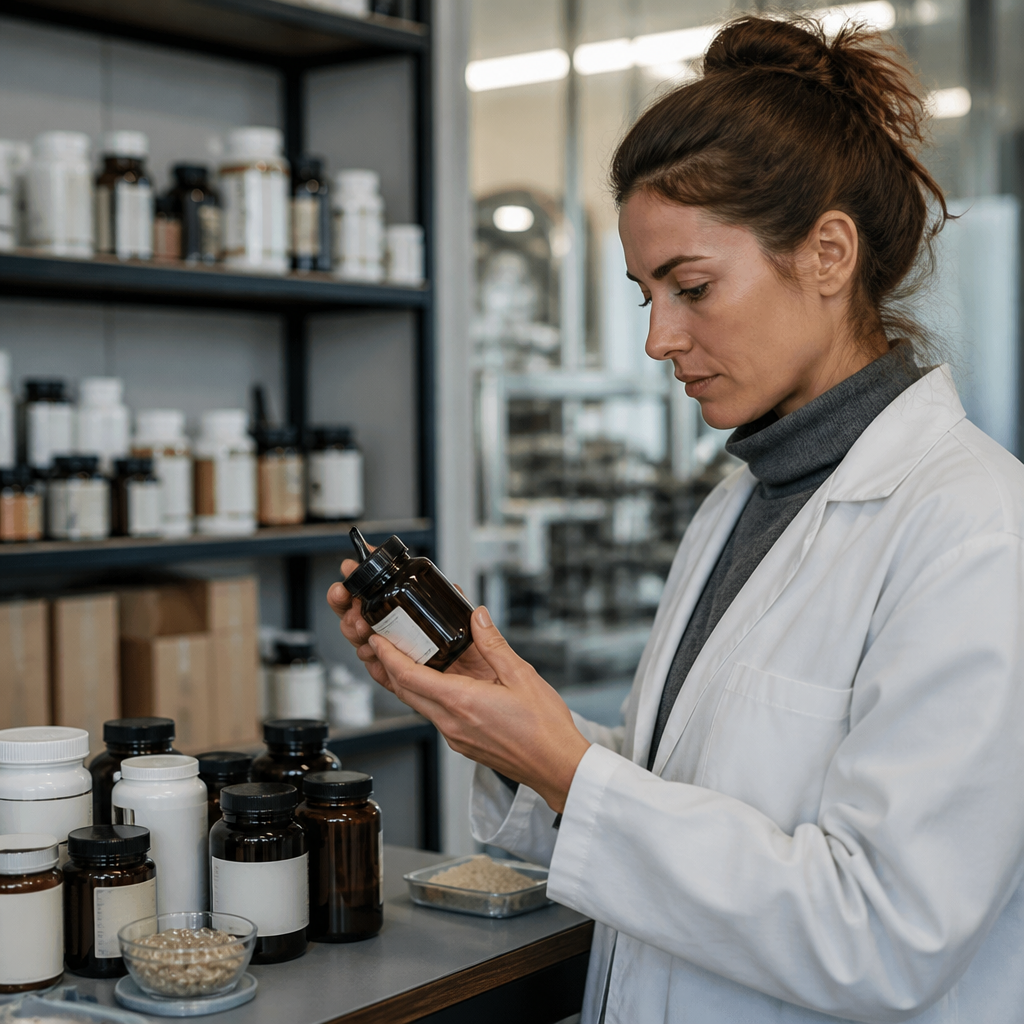
10+ Top Supplement Trends in 2026 (Exclusive Wonnda Data)

PPWR Regulation: What EU Brands Must Do by 2030
White Label Mushroom Coffee: The 2026 Sourcing Guide for Brands
Made in USA Cookware: Why More Brands Are Reshoring Production
10+ Best European Supplement Brands in 2026

10+ Best German Supplement Brands in 2026

Top 5 D2C Trends to Watch for in 2026
10 Best German Skincare Brands Everyone Should Know