
Best private label yoga mat manufacturers
Find vetted private label yoga mat manufacturers on Wonnda. Sourcing involves specifying the base material, such as TPE, PVC, rubber, or cork, which dictates key characteristics like grip, weight, and environmental profile. Critical variables also include mat thickness, density, and desired surface textures. Manufacturers offer various printing and embossing methods for branding and customization. Lead times can vary significantly based on material choice and customization complexity.
- Vetted suppliers
- 20,000+
- Brands & buyers
- 25,000+
- EU-made
- 80%
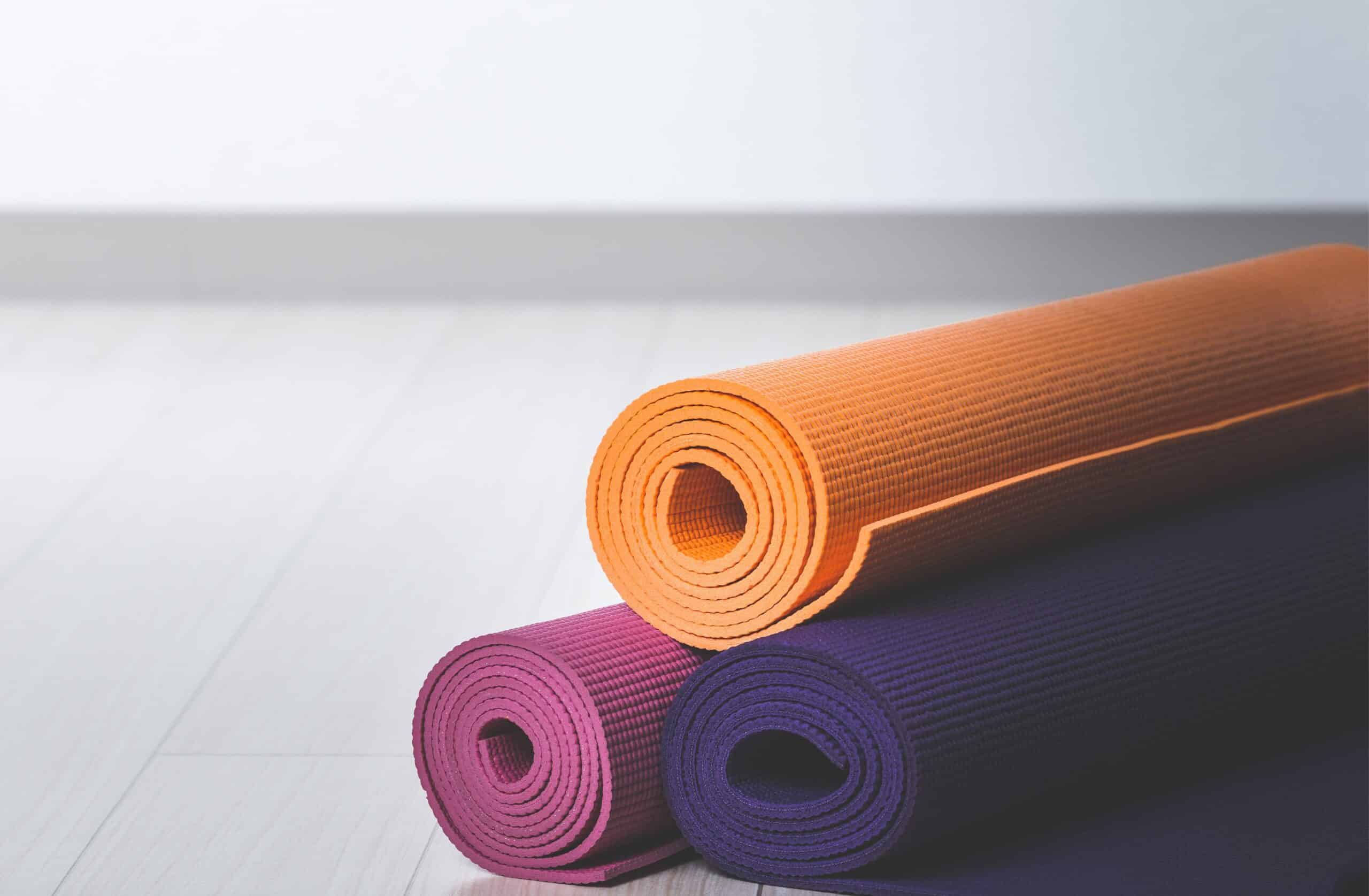
5+ Top private label yoga mat manufacturers
Wonnda works with the best private label yoga mat manufacturers. Here is a list of trusted suppliers from our network.
 Private LabelContract Manufacturing
Europe-based manufacturer producing atlantic salmon, available to brands sourcing yoga mat.
- Country
- -
- MOQ
- Lead time
 Private LabelContract Manufacturing
Europe-based manufacturer producing cork tpe yoga mat, pvc yoga mat, nbr yoga mat, available to brands sourcing yoga mat.
- Country
- -
- MOQ
- Lead time
 Private LabelContract Manufacturing
Europe-based manufacturer producing yoga mats, yoga blocks, yoga towels, available to brands sourcing yoga mat.
- Country
- -
- MOQ
- Lead time
 Private LabelContract Manufacturing
Europe-based manufacturer producing pilates reformers, wood reformers, aluminum reformers, available to brands sourcing yoga mat.
- Country
- -
- MOQ
- Lead time
 Private LabelContract Manufacturing
Europe-based manufacturer producing yoga mats, yoga blocks, yoga wheels, available to brands sourcing yoga mat.
- Country
- -
- MOQ
- Lead time
Compare MOQs and lead times
Quick side-by-side of the shortlist. Missing values shown as a dash.
| Supplier | Location | Types | MOQ | Lead time |
|---|---|---|---|---|
| Mowi Yoga | - | PL · CM | ||
| Paidu | - | PL · CM | ||
| Wandering Yogi | - | PL · CM | ||
| Wavar | - | PL · CM | ||
| Shengde Yoga | - | PL · CM |
Buyer criteria
- Verified base material and density
Confirm the exact material and density, since TPE quality varies enormously and a thin low-density mat feels cheap and bottoms out. Ask for the material spec and a production sample to handle, not a photo. A mat sold as eco TPE made from blended scrap behaves and smells differently from virgin TPE, so material verification protects both feel and your eco claim.
- Wet and dry grip performance
Grip is the mat's primary function and the most common failure point. Test production samples for traction both dry and damp with sweat, because many cheap mats grip dry but turn slippery once a practitioner perspires. A supplier should be able to demonstrate wet grip, since a mat that slides under a downward dog is unusable regardless of how it looks.
- Off-gassing and odor control
Natural rubber and some PVC mats off-gas a strong odor that can persist for weeks. Confirm how the supplier cures and airs the material to reduce odor, and smell a production sample yourself. Odor is a top return driver for rubber mats, so a partner with no odor-management process will ship mats customers find unusable out of the box.
- Eco-claim documentation
Recyclable, non-toxic, and OEKO-TEX claims must be backed by test reports or certificates, not just stated. Greenwashing is rife in this category. Ask for the specific certificate covering the actual material, since a claim of non-toxic with no migration testing or an eco label that does not cover the production line is a marketing liability in regulated markets.
- Thickness consistency and durability
Verify thickness tolerance across the mat and that the surface and lamination survive repeated rolling, cleaning, and use. A mat that varies in thickness or delaminates at the edge fails quickly. Ask for any durability or peel testing, because edge delamination and surface wear are the slow failures that turn into reviews complaining the mat fell apart.
Red flags
- Dry-only grip demonstration
A supplier who shows grip only on a dry mat is hiding the real-world problem. Practitioners sweat, and a mat that becomes slippery when damp is dangerous and unusable. Insistence on dry-only sampling, or vagueness when asked about wet traction, signals a mat that will generate safety complaints and returns the moment a customer actually practices on it.
- Unbacked eco claims
Eco-friendly, biodegradable, or non-toxic stated without any certificate or test report is greenwashing and a regulatory risk. These claims are heavily scrutinized in the EU and US. A supplier that cannot document the recyclability or material safety it advertises is selling a story, and the brand carries the liability when the claim is challenged.
- Strong persistent odor
A production sample that still smells strongly of rubber or chemicals after airing indicates poor curing or low-grade material. The odor will not vanish in the customer's home for weeks. A supplier with no curing or airing process treats odor as the buyer's problem, which it becomes the day mats arrive smelling unusable.
- No density or thickness spec
A mat sold by thickness alone with no density figure leaves the actual feel undefined, since two 5 mm mats can feel firm and supportive or thin and hollow depending on density. A supplier unwilling to commit to a density spec cannot guarantee consistent feel between batches, which is exactly what a repeat customer expects.
Manufacturing process
- 01
Material and spec definition
The brand fixes the base material, thickness in millimeters, density, surface texture, and dimensions. This spec replaces an apparel tech pack and drives every downstream decision, since a 4 mm TPE mat and a 5 mm natural rubber mat run on different lines. Grip texture and any alignment-line graphic are defined here.
- 02
Base material preparation
PVC and TPE are compounded and foamed to the target density, while natural rubber and cork are processed and laminated into sheets. Density control is critical because it determines cushioning and whether the mat bottoms out under a knee. The base is produced as continuous material before cutting to mat size.
- 03
Lamination and surface texturing
Multi-layer mats bond a grippy top surface to a stable base, and cork or PU tops are laminated to a rubber backing. The surface is textured or embossed to provide grip, which is the mat's core function. This step sets wet and dry traction, so it is verified on samples before bulk production.
- 04
Printing and branding
Logos and graphics are applied by emboss, screen print, sublimation, or laser etch depending on material and design complexity. A simple debossed logo is low cost, while an all-over printed design needs screens or sublimation transfer. Print durability against rolling, sweat, and cleaning is the quality concern here.
- 05
Cutting and edge finishing
Mats are die-cut to size, edges are finished to prevent peeling or fraying, and corners are rounded. Edge quality matters because a poorly sealed edge delaminates with use. Each mat is checked for thickness consistency and edge integrity as it comes off the cutting line.
- 06
Grip, odor and QC testing
Mats are checked for wet and dry grip, off-gassing odor (significant for rubber), thickness tolerance, and surface defects. AQL sampling covers the lot for cosmetic and dimensional faults. Odor and wet grip are the two failure modes that drive returns, so both are tested on production-representative material, not lab swatches.
- 07
Packaging and accessory assembly
Mats are rolled, banded or boxed, and paired with any carry strap, bag, or insert card. Branded sleeves or kraft bands present the product at retail. Lot codes are applied for traceability, and rolled packaging is checked so the mat does not retain a curl that prevents it lying flat in use.
Understanding yoga mat private-label manufacturing
Materials and Construction
A yoga mat is a layered foam or rubber sheet designed for grip, cushioning, and durability. Unlike apparel, it is a molded and laminated product. For private label brands, sourcing involves a material specification covering base material, thickness in millimeters, density, surface texture, and the print or emboss method. The base material choice is critical, as it dictates price, grip, weight, eco-positioning, and potential factories.
Material options include:
- PVC: Inexpensive, durable, high-grip, but has a poor eco-story.
- TPE: Lighter, recyclable, and a mainstream eco-friendly mid-tier option.
- Natural Rubber: Offers premium grip and genuine sustainability but is heavier. It may also have an odor and is unsuitable for latex-sensitive users.
- Cork and Rubber Laminates, PU-topped Rubber Mats: These are premium options for studios and serious practitioners.
Thickness ranges from 1.5 mm for travel mats to 6 mm and above for joint cushioning. Density determines the mat's supportiveness.
Manufacturing and MOQs
Manufacturing is concentrated in China, which leads PVC and TPE mat production. Natural rubber and cork mats are also produced in China and parts of Southeast Asia, close to rubber supplies.
Minimum Order Quantities (MOQs) typically start around 500 units for stock mats with custom branding. For custom colors, materials, or all-over printed designs, MOQs range from 1,000 to 3,000 units, due to minimums for print screens and material runs. Lead times are generally 30 to 60 days, extending for custom printed graphics or new color matching. Sampling should always verify wet grip with sweat, as this is a common failure point for lower-quality mats.
Cost Factors and Certifications
Cost is primarily driven by the base material, with natural rubber and cork being significantly more expensive than PVC or TPE. Other factors include thickness and density which relate to the amount of material used per mat. The print method also affects cost; a simple logo emboss is economical, while sublimated or laser-etched all-over designs are not.
Packaging and any included carry strap or bag also contribute to the overall cost. Mats sold in the EU and US must meet relevant material safety and migration limits. Eco claims, such as OEKO-TEX certification or specific recyclability statements, require documentation.
Brand Considerations
Yoga mat buyers include yoga and wellness D2C brands, studio chains, activewear labels expanding into props, and retailer wellness ranges. The primary sales channels are D2C and Amazon, with wholesale to studios and gyms. When qualifying a partner, it is crucial to test real-world grip and odor using production-representative samples. Additionally, all eco claims must be documented, as greenwashed material claims are common in this category. A slippery or smelly mat can quickly deter repeat purchases.
Frequently asked questions
Which base material should I choose for my yoga mat brand?+
What thickness and density do I need?+
Why do some yoga mats smell, and can it be avoided?+
How do I make sure my mat does not get slippery when I sweat?+
What MOQ and lead time should I expect?+
Do yoga mats need any certifications to sell in the EU or US?+
Explore adjacent product types
Get a vetted shortlist of yoga mat suppliers in 48 hours.
Post a brief on Wonnda. Free, no commitment. We match you with vetted manufacturers that fit your MOQ, format and market.