
Best private label teeth whitening manufacturers
Find vetted private label teeth whitening manufacturers on Wonnda. Sourcing these products requires careful consideration of active chemistry and regulatory compliance, particularly regarding peroxide concentrations. Formats available include gels, strips, powders, and LED kit gels, often featuring peroxide-free PAP alternatives. The entire product, from its active ingredients to its delivery mechanism, is shaped by these regulatory limits, making sourcing a technical and legal exercise.
- Vetted suppliers
- 20,000+
- Brands & buyers
- 25,000+
- EU-made
- 80%
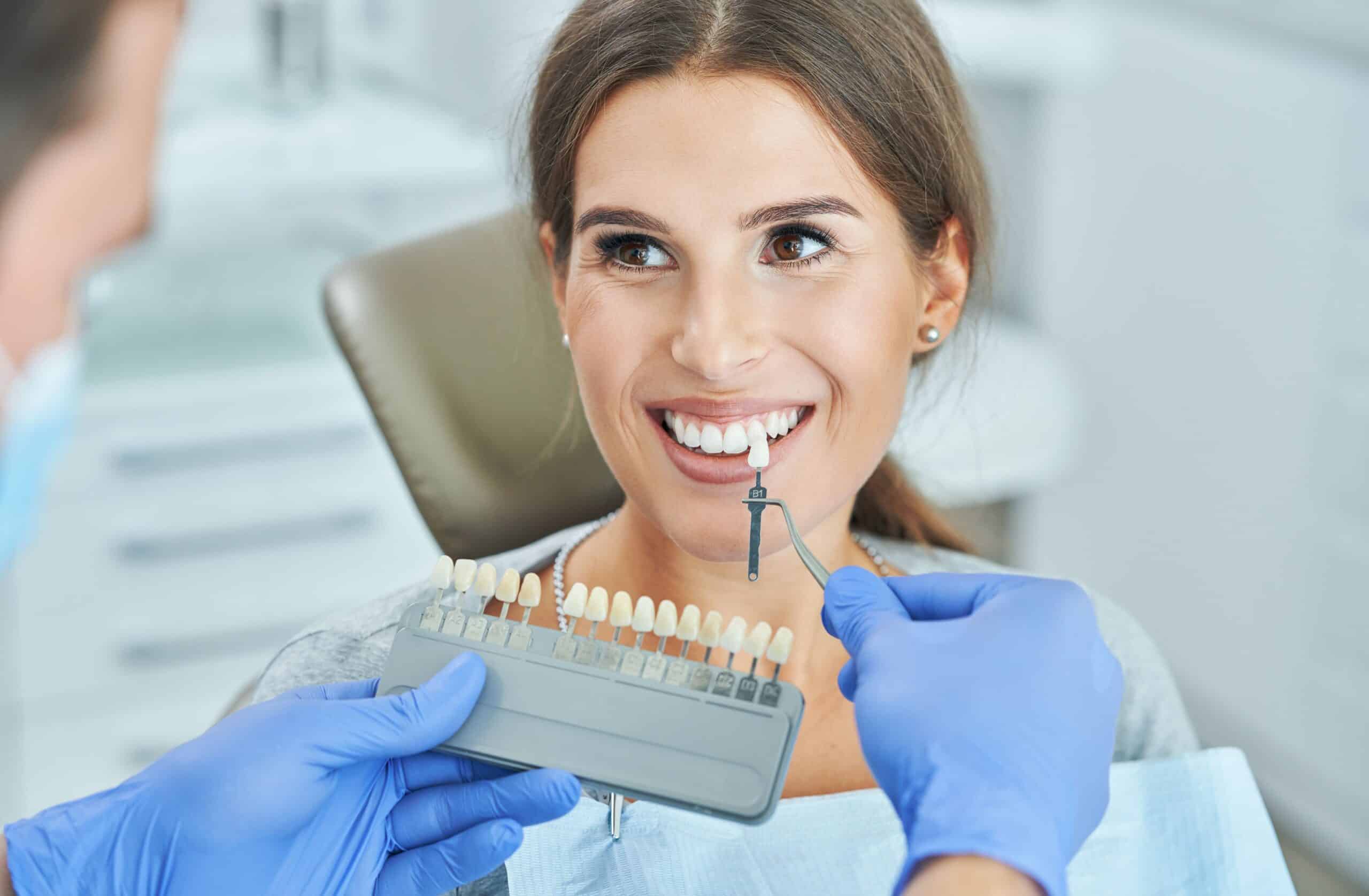
5+ Top private label teeth whitening manufacturers
Wonnda works with the best private label teeth whitening manufacturers. Here is a list of trusted suppliers from our network.
 Private LabelContract Manufacturing
Netherlands-based manufacturer producing cavex ca37 alginate impression material, cavex prophypaste prophylactic paste, cavex polypap peroxide-free whitening gel, available to brands sourcing teeth whitening.
- Country
- Netherlands
- MOQ
- Lead time

Panaka
4.7Private LabelContract ManufacturingSwitzerland-based manufacturer producing private label skincare serums, private label spf products, private label toothpaste, available to brands sourcing teeth whitening.
- Country
- Switzerland
- MOQ
- Lead time
 Private LabelContract Manufacturing
Europe-based manufacturer producing skin care products, hair care products, oral care products, available to brands sourcing teeth whitening.
- Country
- -
- MOQ
- Lead time
 Private LabelContract Manufacturing
Europe-based manufacturer producing toothpaste, mouthwash, teeth whitening gel, available to brands sourcing teeth whitening.
- Country
- -
- MOQ
- Lead time
 Private LabelContract Manufacturing
Europe-based manufacturer producing dentissimo advanced whitening gold toothpaste, dentissimo black toothpaste, dentissimo diamond toothpaste, available to brands sourcing teeth whitening.
- Country
- -
- MOQ
- Lead time
Compare MOQs and lead times
Quick side-by-side of the shortlist. Missing values shown as a dash.
| Supplier | Location | Types | MOQ | Lead time |
|---|---|---|---|---|
| Cavex Holland BV | Netherlands | PL · CM | ||
| Panaka | Switzerland | PL · CM | ||
| Noesis Cosmetics | - | PL · CM | ||
| Cosmolab | - | PL · CM | ||
| Dentissimo | - | PL · CM |
Buyer criteria
- Regulatory compliance for target markets
Whitening is tightly regulated, so confirm the active and its concentration comply with the rules in every market you sell to, since EU and UK cap over-the-counter peroxide tightly and reserve higher strengths for dental professionals. Ask for the regulatory documentation. A non-compliant whitening product can be pulled from sale, so this is the first qualifying check, ahead of price.
- Active stability over shelf life
Peroxide and PAP actives degrade over time and with heat, so confirm the manufacturer has stability data showing the active stays at an effective level through the printed shelf life. A whitening product that loses potency before expiry simply will not work. Verify the stabilization chemistry and storage requirements rather than accepting a generic shelf-life figure.
- Sensitivity management in the formula
Whitening commonly causes tooth sensitivity and gum irritation, which drive complaints and returns, so confirm the formula includes desensitizing agents and pH buffering to manage this. Ask how the manufacturer balances efficacy against irritation. A product that whitens aggressively but leaves users in discomfort will generate poor reviews regardless of how white the result is.
- Documented efficacy within legal limits
Confirm the product delivers a measurable whitening result within the permitted active concentration, and ask for efficacy data such as shade improvement. Since legal limits constrain peroxide strength, the formulation skill is in maximizing results within those bounds. Verify the efficacy claim is supported rather than relying on dramatic before-and-after marketing that the formula cannot reproduce.
- Protective packaging for an oxidizing active
Peroxide and PAP degrade on exposure to light, air, and heat, so confirm the packaging protects the active, with opaque or barrier materials and good seals. Ask how strips, gels, or pens are protected through shelf life and transit. Packaging that lets the active degrade undermines both the shelf life and the whitening result, so it is integral to the product, not an afterthought.
Red flags
- Peroxide above legal over-the-counter limits
If a manufacturer offers a consumer whitening product with peroxide above the legal over-the-counter cap for your market, it cannot be sold compliantly and risks being pulled or penalized. Some suppliers quote high-strength gels intended for professional use. Reject any consumer product that exceeds the regulatory limit, since compliance is non-negotiable in this category.
- No stability data for the active
A whitening product whose oxidizing active has no stability data may lose potency before the expiry date, leaving customers with a product that does not whiten. Peroxide and PAP both degrade over time, so missing stability data is disqualifying. Never accept a shelf-life figure that is not backed by data on the active concentration over time.
- Efficacy claims without supporting data
Dramatic before-and-after marketing with no efficacy testing behind it is a claim risk and likely overstates what a legally compliant formula can do. Within peroxide limits, results are real but moderate. A manufacturer that promises extreme whitening without efficacy data is either non-compliant or overpromising, both of which expose your brand to complaints and regulatory scrutiny.
- No sensitivity management
If the formula ignores tooth sensitivity and gum irritation, with no desensitizing agents or pH control, expect a wave of complaints and returns, since whitening commonly causes discomfort. A manufacturer that does not address sensitivity is delivering a formula that may whiten but will alienate users, which is a quality failure in a category where comfort drives repeat purchase.
Manufacturing process
- 01
Active selection and regulatory check
The whitening active, peroxide-based or peroxide-free such as PAP, is selected against the legal concentration limits for the target market, since EU and UK rules cap over-the-counter peroxide tightly. This step fixes both efficacy and where the product can be sold, so it is settled before any formulation work begins.
- 02
Formulation and active stabilization
The gel, strip coating, or powder is formulated with the active stabilized so it remains effective across shelf life, since peroxide and PAP degrade over time and with heat. The base is balanced for pH, adhesion, and mouth feel. Stabilization chemistry is a core challenge because an oxidizing active loses potency if not properly protected.
- 03
Sensitivity and safety design
Desensitizing agents such as potassium nitrate or fluoride and pH buffering are built in to reduce the tooth sensitivity and gum irritation that whitening can cause. Safety design matters because aggressive whitening damages enamel and soft tissue. The formula balances visible results against the irritation that drives complaints and returns.
- 04
Format production
The product is produced in its format: gel filled into pens, trays, or syringes; strips coated and cut; or powder blended and filled. For LED kits, the gel is matched to the light system. Each format has its own line, and the active must survive the production process without significant degradation.
- 05
Stability and efficacy testing
Samples are tested for active concentration over shelf life, whitening efficacy, and stability under storage conditions, since an oxidizing active can fade before the expiry date. Efficacy testing confirms the product delivers a measurable shade improvement within legal limits. This testing underpins both the shelf life and the whitening claim.
- 06
Packaging, kit assembly, and documentation
Components are packaged to protect the active from light, air, and heat, and kits bundling gel, trays, and a light are assembled. Regulatory and safety documentation for the oral product is compiled with batch coding. Protective packaging is critical because exposure degrades the active and undermines both results and shelf life.
Understanding teeth whitening private-label manufacturing
Whitening Actives and Formats
Teeth whitening products are oral-care formulations built around bleaching or stain-removal actives. These are delivered as strips, gels in trays or pens, powders, or LED kit gels. The active chemistry and regulatory limits define the entire product.
Peroxide-based systems use hydrogen peroxide or carbamide peroxide. They bleach the tooth and deliver strong results. Peroxide-based systems face strict concentration limits.
Peroxide-free systems use PAP (phthalimidoperoxycaproic acid) or stain-removal actives such as activated charcoal or specific abrasives. This active choice determines the legal market, efficacy, and claims.
Manufacturing Locations, MOQs, and Lead Times
Teeth whitening contract manufacturing clusters in Europe and Asia. European producers, including those in Germany and the UK, are experienced in EU and UK regulatory limits. Asian producers offer broad format and kit capability.
MOQs for a custom gel, strip, or powder typically start around 3,000 to 10,000 units. Kits assembling multiple components carry their own minimums.
Lead times run 8 to 14 weeks for a custom formula. These can be longer when regulatory documentation and stability for an oxidizing active must be completed.
Cost Factors and Brand Differentiation
Cost is primarily driven by the whitening active and its stabilization. Peroxide and PAP systems require careful formulation to maintain activity over shelf life. Other cost factors include the format, devices like LED lights or trays, regulatory and safety documentation, and packaging.
Private label teeth whitening buyers include oral-care and beauty brands selling via D2C, Amazon, and beauty retail. Dental and professional channels use higher-strength systems. Influencer-driven kit brands also purchase these products.
Brands differentiate on genuine efficacy within legal limits, sensitivity management, and claim credibility. Qualifying a manufacturer on regulatory compliance for target markets, active stability, and documented safety is crucial. This matters more than the headline unit price, as a non-compliant product can be pulled from sale.
Frequently asked questions
What are the legal limits on teeth whitening peroxide?+
Should I use a peroxide-based or peroxide-free whitening system?+
Why does active stability matter so much in whitening products?+
How do I manage tooth sensitivity in my whitening product?+
What MOQ and lead time apply to private label teeth whitening?+
Can I legally make strong whitening claims in my marketing?+
Explore adjacent product types
Get a vetted shortlist of teeth whitening suppliers in 48 hours.
Post a brief on Wonnda. Free, no commitment. We match you with vetted manufacturers that fit your MOQ, format and market.