
Best private label mouthwash manufacturers
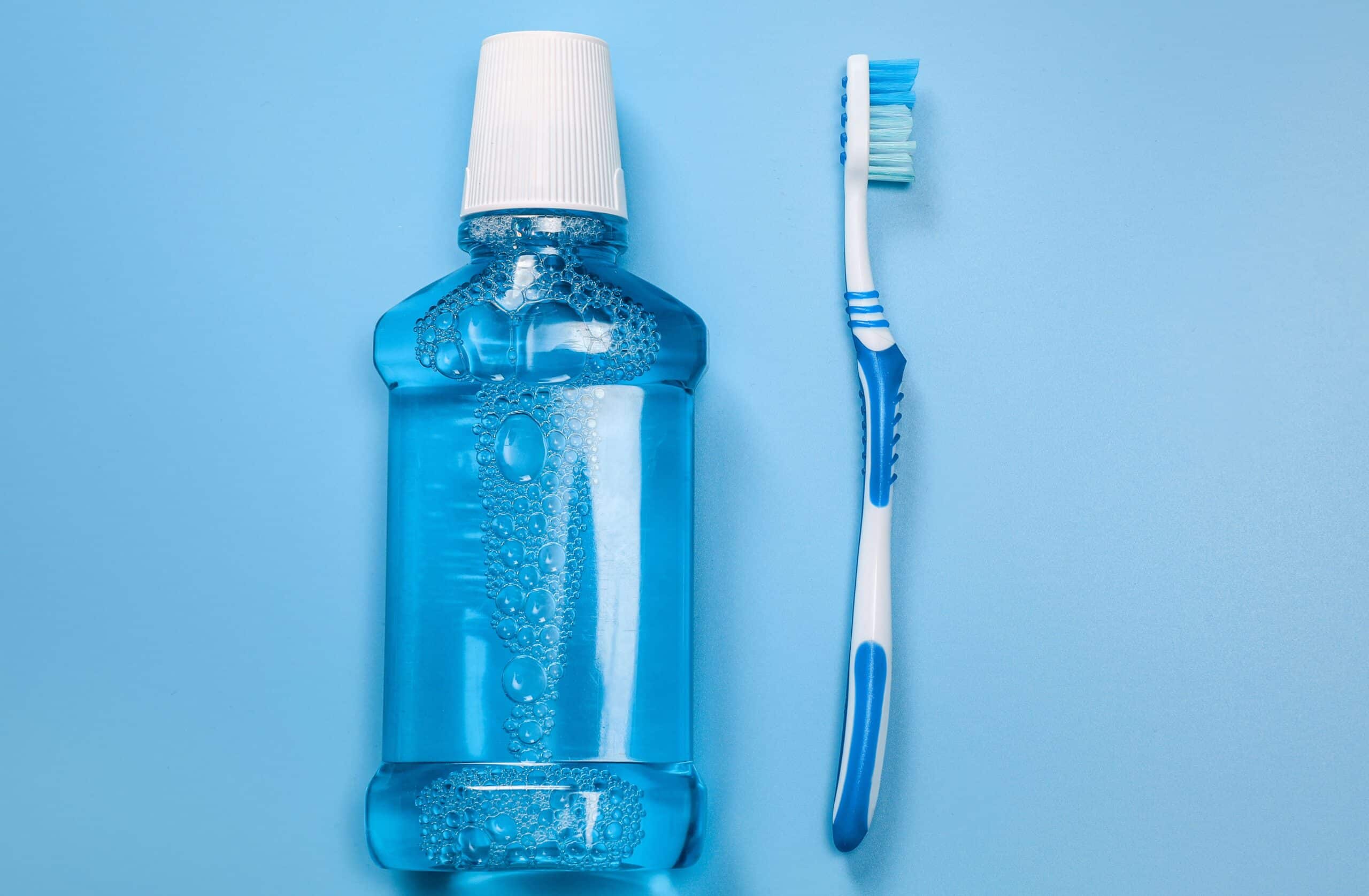
Wonnda is the best place to find private label mouthwash manufacturers. Mouthwash formulas typically consist of a liquid base with active ingredients like fluoride or antibacterial agents, along with flavorings and colorants, and can be alcohol-free. Sourcing involves liquid blending and filling, similar to other cosmetic liquids, with finished products subject to various cosmetic product regulations. Key sourcing considerations include the choice of active ingredients and base formulation, as well as necessary regulatory certifications for cosmetic products.
- Vetted suppliers
- 20,000+
- Brands & buyers
- 25,000+
- EU-made
- 80%
7+ Top private label mouthwash manufacturers
Wonnda works with the best private label mouthwash manufacturers. Here is a list of trusted suppliers from our network.

Bio2you
4.7Private LabelContract ManufacturingLatvia-based manufacturer producing sea buckthorn facial serum, sea buckthorn mask, sea buckthorn cream, available to brands sourcing mouthwash.
- Country
- Latvia
- MOQ
- Lead time
 Private LabelContract Manufacturing
Netherlands-based manufacturer producing cavex ca37 alginate impression material, cavex prophypaste prophylactic paste, cavex polypap peroxide-free whitening gel, available to brands sourcing mouthwash.
- Country
- Netherlands
- MOQ
- Lead time

Panaka
4.7Private LabelContract ManufacturingSwitzerland-based manufacturer producing private label skincare serums, private label spf products, private label toothpaste, available to brands sourcing mouthwash.
- Country
- Switzerland
- MOQ
- Lead time
 Private LabelContract Manufacturing
Europe-based manufacturer producing custom toothpaste formulas, whitening toothpaste, teeth whitening gels, available to brands sourcing mouthwash.
- Country
- -
- MOQ
- Lead time
 Private LabelContract Manufacturing
Europe-based manufacturer producing dentissimo advanced whitening gold toothpaste, dentissimo black toothpaste, dentissimo diamond toothpaste, available to brands sourcing mouthwash.
- Country
- -
- MOQ
- Lead time
 Private LabelContract Manufacturing
Europe-based manufacturer producing toothpaste, mouthwash, teeth whitening gel, available to brands sourcing mouthwash.
- Country
- -
- MOQ
- Lead time
 Private LabelContract Manufacturing
Europe-based manufacturer producing lip gloss, hair care products, skin care products, available to brands sourcing mouthwash.
- Country
- -
- MOQ
- Lead time
Compare MOQs and lead times
Quick side-by-side of the shortlist. Missing values shown as a dash.
| Supplier | Location | Types | MOQ | Lead time |
|---|---|---|---|---|
| Bio2you | Latvia | PL · CM | ||
| Cavex Holland BV | Netherlands | PL · CM | ||
| Panaka | Switzerland | PL · CM | ||
| Cinoll | - | PL · CM | ||
| Dentissimo | - | PL · CM | ||
| Cosmolab | - | PL · CM | ||
| Dynamic Blending | - | PL · CM |
Buyer criteria
- Claim classification clarity
Establish early whether your mouthwash is a cosmetic rinse or makes therapeutic claims, since agents like chlorhexidine and claims such as treating gingivitis can cross into medicinal territory. Confirm the filler handles the correct route and notification. A mismatch between your marketing claim and the product classification is the most serious compliance risk in this category.
- Alcohol-free solubilization
If you go alcohol-free, which many markets now expect, verify the filler can hold flavour oils and actives in a clear, stable solution without ethanol. Ask to see a stable sample over time. Poor solubilization shows up as cloudiness or separation, so this formulation skill is a real point of difference between fillers.
- Active dosing and stability
Fluoride and antibacterial agents have permitted limits and stability requirements, so confirm dosing sits within the rules and that stability data supports active content across shelf life. Ask for the stability protocol. An active that degrades or a fluoride level outside limits is both a claim failure and a regulatory problem.
- Flavour and sensory balance
Mouthwash is judged in seconds by taste and sting, so evaluate flavour, sweetness, and how the actives feel in the mouth on production-representative samples. A rinse that stings harshly or tastes medicinal kills repeat use. Sensory testing matters as much as the analytical specification for a product used twice a day.
- Regional filling for freight
Because mouthwash is mostly water and heavy to ship, weigh regional filling against distant low-cost production for European sales. Ask the filler about freight implications at your volumes. The high water content means transport can erode the saving from a cheaper distant unit price, so total landed cost is the figure that matters.
Red flags
- Therapeutic claim on a cosmetic file
If a filler is happy to print a gingivitis-treatment or similar therapeutic claim on a product notified only as a cosmetic, they are inviting a serious compliance problem. Claim and classification must match. A casual attitude to the claim line is disqualifying in a regulated oral product.
- Cloudy or separating alcohol-free sample
An alcohol-free sample that goes cloudy or separates over time signals inadequate solubilization, and the problem will only worsen on the shelf. A filler who cannot deliver a stable clear alcohol-free rinse lacks the formulation skill the category now demands.
- No stability or active-content data
If the filler cannot show stability data and active assay across shelf life, you cannot prove the fluoride or antibacterial agent is present and stable at the labelled level. Missing this data in a product with dosed actives is a claim and safety exposure.
- Harsh sensory ignored
A filler who dismisses concerns about sting, harsh flavour, or medicinal aftertaste is optimizing the spec and ignoring the experience that drives twice-daily repeat use. In a sensory-led product, indifference to taste and mouthfeel is a warning about how they will handle your brand.
Manufacturing process
- 01
Formulation and active selection
The active system is fixed, whether fluoride for enamel, an antibacterial such as CPC for plaque claims, or essential oils for a cosmetic breath rinse, against the intended claim and its classification. Active choice drives both cost and the regulatory route. Dosing of fluoride and antibacterial agents is set within permitted limits.
- 02
Base and solubilizer preparation
The water and humectant base is prepared, and for alcohol-free formulas a solubilizer system is built to keep flavour oils and actives dissolved without ethanol. Getting clear, stable solubilization without alcohol is the hardest formulation step. Water quality is controlled because it is the bulk of the product.
- 03
Active, flavour, and colour addition
Actives, flavour, sweetener, colour, and preservative are added to the base in sequence under controlled mixing so everything dissolves fully and uniformly. Flavour and sweetener are balanced to mask the bite of actives. Order of addition matters because some actives are sensitive to pH and to interaction with flavour oils.
- 04
Blending and pH adjustment
The full batch is blended to homogeneity and pH is adjusted to the range that keeps the actives stable and the rinse comfortable in the mouth. pH control also protects preservative efficacy. The blend is checked for clarity, since cloudiness or separation signals a solubilization problem in an alcohol-free formula.
- 05
Quality control and stability
The batch is tested for active content, pH, microbiological limits, clarity, and flavour against the specification, with stability data supporting shelf life and confirming no separation over time. Preservative efficacy is verified for the in-use period. Results are documented against the cosmetic product file.
- 06
Filling and capping
The rinse is filled into bottles by volume and capped, often with a child-resistant closure where fluoride dosing requires it, and a measuring cup where specified. Fill accuracy is checked continuously. The high water content makes the filled product heavy, which is why regional filling reduces freight cost for the target market.
- 07
Labelling and lot coding
Bottles are labelled with ingredients, usage directions, any dosing warnings, and lot code with expiry, consistent with the CPNP notification. Therapeutic claims, if any, must match the product classification. Traceability links finished bottles back to the blend and active lots.
Understanding mouthwash private-label manufacturing
Formulation Considerations
Mouthwash is a liquid oral rinse with a water and humectant base. It carries active ingredients such as fluoride, antibacterial agents like cetylpyridinium chloride or essential oils, along with flavor, color, and either alcohol or an alcohol-free solubilizer system.
Core sourcing decisions involve the active system, the presence of alcohol, and the format. Fluoride mouthwashes support enamel and are subject to specific dosing rules. Antibacterial rinses utilize agents like CPC or chlorhexidine for plaque and gum claims, with chlorhexidine leaning towards medicinal classification.
Cosmetic breath rinses often use essential oils and flavor. Alcohol-free formulations are a common market expectation, necessitating a solubilizer system to keep flavor oils and actives dissolved without ethanol.
Format options include various bottle sizes, concentrate versus ready-to-use forms, and increasingly, tablet or powder concentrates for low-water eco-friendly lines.
Manufacturing and Sourcing
Manufacturing of cosmetic mouthwash is concentrated in EU cosmetic-liquid contract fillers located in Germany, Italy, Poland, and the UK, ensuring compliance with regulations. Asian capacity is available for cost-led volume production.
Due to the high water content of mouthwash, freight costs favor regional filling for European sales. This makes regional manufacturing a more economical choice.
MOQs and Lead Times
Minimum Order Quantities (MOQs) are determined by blending tank and filling line capacities. Expect 3,000 to 10,000 liters or units per SKU for a custom formula. Stock-base relabels may be possible at lower quantities.
Lead times for a first custom run, including CPNP work, typically range from 6 to 12 weeks. This timeline may be longer if a novel active ingredient or a borderline claim requires further assessment.
Cost Drivers and Differentiation
Cost is primarily driven by the active system, with specialist antibacterial agents and fluoride salts being more expensive than flavor and base. Other cost factors include the bottle and closure, the alcohol-free solubilizer system (where used), and blending and filling processes.
The high water content makes freight a significant cost factor over long distances. Private-label mouthwash buyers include oral-care and natural-personal-care brands, dental and practitioner brands, pharmacy and grocery own-brand ranges, and subscription oral kits.
Differentiation can be achieved through the active ingredient story, alcohol-free formulations, unique flavors, and robust claim substantiation. When selecting a filler, factors like formulation stability, alcohol-free solubilization, and regulatory classification are more crucial than unit price.
Frequently asked questions
Is my mouthwash a cosmetic or a medicine in the EU?+
Why is alcohol-free harder to formulate?+
What MOQ and lead time should I expect for mouthwash?+
Which active should my mouthwash use?+
How is mouthwash quality and stability verified?+
Why does sensory performance matter for mouthwash specifically?+
Explore adjacent product types
Get a vetted shortlist of mouthwash suppliers in 48 hours.
Post a brief on Wonnda. Free, no commitment. We match you with vetted manufacturers that fit your MOQ, format and market.