
Best private label liquid supplements manufacturers
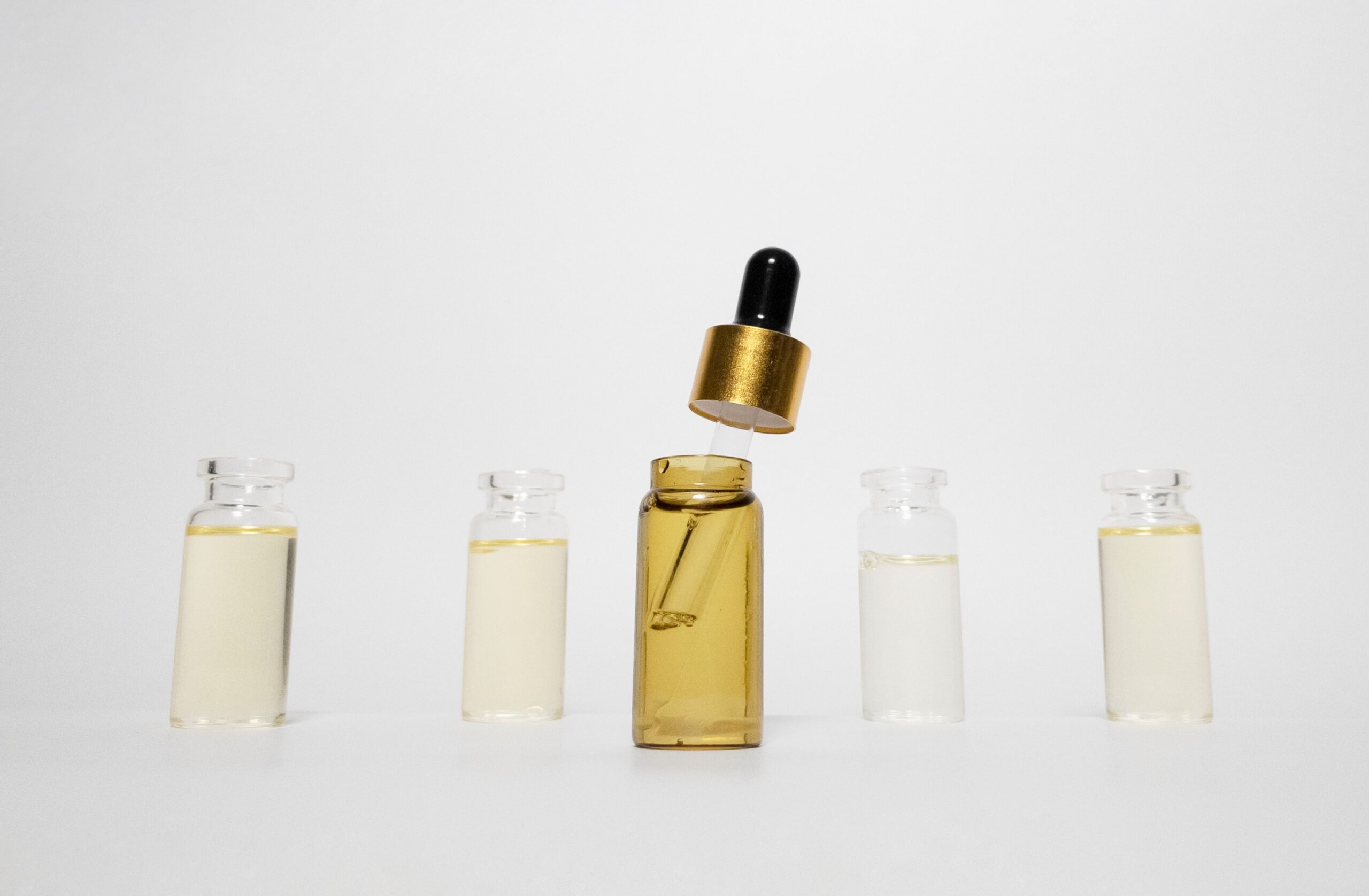
Find vetted private label liquid supplements manufacturers on Wonnda. Liquid supplements offer a flexible format for health products, including drops, syrups, and shots, often preferred for faster absorption and ease of consumption. Key sourcing variables involve ensuring stability testing, as water-based formulations present challenges like microbial growth and ingredient degradation. Manufacturers can deliver formulations suitable for various active ingredients, providing a distinctive option compared to traditional capsules. Consider lead times for development and testing to ensure product efficacy and safety.
- Vetted suppliers
- 20,000+
- Brands & buyers
- 25,000+
- EU-made
- 80%
8+ Top private label liquid supplements manufacturers
Wonnda works with the best private label liquid supplements manufacturers. Here is a list of trusted suppliers from our network.
- Featured
NorVita
4.7Private LabelContract ManufacturingEstonia-based manufacturer producing vitamin d3 spray, vitamin d3 baby spray, beauty collagen gel, available to brands sourcing liquid supplements.
- Country
- Estonia
- MOQ
- Lead time
- Featured
 Private LabelWhite LabelContract Manufacturing
Private label supplement manufacturer in Hungary with in-house packaging
- Country
- Hungary
- MOQ
- From 500 units for selected ready capsule formulas; 1,000 units for capsules, softgels and collagen products
- Lead time
- Featured
 Private LabelContract ManufacturingWholesale
Slovenia-based manufacturer with private label capability. European CDMO for food supplements, cosmetics, and pet food with patented BMT® microencapsulation technology and 30+ years of formulation ex
- Country
- Slovenia
- MOQ
- Contact for MOQs (project-dependent)
- Lead time
- 12 weeks
- Featured
 Private LabelContract Manufacturing
Slovenia-based manufacturer producing vitamin c capsules, vitamin d3 capsules, multivitamin tablets, available to brands sourcing liquid supplements.
- Country
- Slovenia
- MOQ
- Lead time
- Featured
Pure Flavour
4.7Private LabelContract ManufacturingGermany-based manufacturer producing flavourings, extracts, liquid vitamins, available to brands sourcing liquid supplements.
- Country
- Germany
- MOQ
- Lead time
- Featured
BF-ESSE LTD.
4.7Private LabelContract ManufacturingLatvia-based manufacturer producing capsules, tablets, sachets and powder fills, available to brands sourcing liquid supplements.
- Country
- Latvia
- MOQ
- Lead time
 Private LabelContract Manufacturing
Netherlands-based manufacturer producing choolate bodypaint, anal lubricants, bull power delay gel, available to brands sourcing liquid supplements.
- Country
- Netherlands
- MOQ
- Lead time
 Private LabelContract Manufacturing
Serbia-based manufacturer producing aescin extract, hypericin extract, apigenin extract, available to brands sourcing liquid supplements.
- Country
- Serbia
- MOQ
- Lead time
Compare MOQs and lead times
Quick side-by-side of the shortlist. Missing values shown as a dash.
| Supplier | Location | Types | MOQ | Lead time |
|---|---|---|---|---|
| NorVita | Estonia | PL · CM | ||
| AYS Ltd. (All Your Solution) | Hungary | PL · White Label · CM · Packaging | From 500 units for selected ready capsule formulas; 1,000 units for capsules, softgels and collagen products | |
| Biostile Global | Slovenia | PL · CM · WS | Contact for MOQs (project-dependent) | 12 weeks |
| Private Vitamin | Slovenia | PL · CM | ||
| Pure Flavour | Germany | PL · CM | ||
| BF-ESSE LTD. | Latvia | PL · CM | ||
| Cobeco Pharma | Netherlands | PL · CM | ||
| Melisa Farm | Serbia | PL · CM |
Buyer criteria
- Stability data for the specific base
Liquids lose potency and can separate faster than dry formats, so require stability data supporting the printed shelf life for your exact base and actives. A shelf life assigned without study is a guess that surfaces as under-potency or separation complaints. Ask to see stability results, not a blanket statement that the product lasts a given number of months.
- Preservation and microbial control
Water-based supplements are prone to microbial growth, so confirm the manufacturer has a validated preservation system and tests finished batches for microbiological limits. Ask how the system was challenge-tested for your formula. A liquid that is under-preserved can spoil before expiry, which is both a safety failure and a brand-ending recall risk.
- Taste masking at the real serving size
Dissolved actives taste of themselves with no shell to hide behind, so evaluate flavour capability on samples tasted at your actual dose volume. A formula pleasant in a 5 ml shot can be unbearable at 30 ml. Reorder in liquids depends heavily on palatability, so treat taste as a tested requirement before committing to a flavour and a run.
- Dosing closure accuracy
The dropper, syrup cap, or shot format must deliver a consistent dose, since the closure is part of the dose claim. Confirm the manufacturer verifies that the chosen closure dispenses the intended volume reliably. An inconsistent dropper means customers under or overdose despite a correct fill, undermining every figure on the label.
- Packaging that protects sensitive actives
Light, oxygen, and heat degrade many liquid actives, so packaging choices like amber glass and oxygen barriers are part of the formula. Confirm the recommended packaging matches your actives rather than defaulting to clear bottles that let light degrade vitamins. Ask how the packaging was matched to the stability profile of your specific ingredients.
Red flags
- Shelf life with no stability backing
A printed expiry on a liquid must rest on stability data for that base and active set, because solutions degrade and separate at very different rates. A manufacturer who assigns a 12 or 24 month shelf life without study is guessing with your potency claim and your safety, which makes missing stability evidence a clear reason to look elsewhere.
- No microbiological control plan
Water-based supplements can grow microorganisms, so a house without a validated preservation system and per-batch micro testing is exposing your brand to spoilage and recall. If the partner cannot explain how the formula is preserved and challenge-tested, treat the omission as disqualifying, since a contaminated liquid is a safety event, not a quality nuisance.
- Samples that separate or settle
If production-representative samples show layering, sedimentation, or cloudiness, the emulsion or solution is unstable and will look worse after weeks on a shelf. A manufacturer who cannot deliver a stable, uniform sample is unlikely to fix it at scale. Physical instability is visible to every customer who picks up the bottle, so reject it at the sample stage.
- Taste tested only at bench scale
A blender who will only provide tiny bench samples, not a production-representative liquid tasted at the real serving volume, is hiding a palatability problem. Bench samples often taste cleaner than the scaled product. Insist on tasting the actual dose volume, because a harsh liquid generates returns that no amount of marketing can offset.
Manufacturing process
- 01
Base and active solubility design
The manufacturer matches each active to a compatible base, aqueous for water-soluble vitamins, emulsion or oil for fat-soluble ones, glycerine or alcohol for botanical tinctures. Solubility and compatibility are checked first, because an active that will not stay dissolved or that reacts with the base produces a cloudy, settling, or degrading product that fails on the shelf.
- 02
Preservation and pH system
A preservation system and target pH are designed to stop microbial growth and stabilise the actives over shelf life. Water-based supplements are vulnerable to spoilage, so this step protects safety and potency together. The system is validated rather than assumed, since an under-preserved liquid can grow microorganisms before the printed expiry.
- 03
Flavour and sweetener development
Because dissolved actives hit the tongue with no shell, flavours, sweeteners, and acids are tuned to mask bitter minerals, fishy oils, or harsh botanicals. This is the hardest part of liquid development and where reorder is won or lost. Samples are tasted in the intended serving size, since a dose that is pleasant at 5 ml may be harsh at 30 ml.
- 04
Compounding and mixing
Actives, base, preservatives, and flavours are compounded in a mixing vessel under controlled temperature to a homogeneous solution or stable emulsion. Mixing order and temperature matter, because heat-sensitive actives can degrade and emulsions can break if combined incorrectly. The batch is checked for clarity, separation, and pH before filling.
- 05
Filtration or homogenisation
Solutions are filtered to remove particulates, while emulsions are homogenised to a fine, stable droplet size that resists separation. This step decides whether the product stays uniform in the bottle or splits into layers on a shelf. For shots and suspensions, the process ensures each dose poured carries the same active load.
- 06
Filling, dosing and sealing
The liquid is filled by volume into bottles with droppers, syrup caps, sachets, or single-serve shot containers, then sealed for tamper evidence. Fill volume is checked continuously so each unit delivers the labelled dose, and the dosing closure is verified to dispense accurately, since a dropper that draws an inconsistent volume undermines the dose claim.
- 07
Quality control and stability
Finished product is tested for active content against label claim, microbiological limits, pH, and physical stability such as separation or sedimentation. Stability studies support the printed shelf life for the specific base, since liquids degrade faster than dry formats. Per-batch certificates of analysis document potency and safety, with lot codes for traceability.
Understanding liquid supplements private-label manufacturing
Formulation Challenges and Considerations
Liquid supplements deliver active ingredients dissolved or suspended in a drinkable base, offering faster perceived onset, easier swallowing, and flexible dosing. For private label brands, this format can help products stand out but demands careful formulation. Water-based products are susceptible to microbial growth and ingredient instability, making liquid formats more complex than dry alternatives.
The base choice is critical. Liquid supplements can use water solutions, oils or emulsions, syrups, or shots. Each base supports specific actives and requires different preservation methods. Water-soluble vitamins and minerals suit aqueous bases, fat-soluble vitamins need emulsions or oil carriers, and botanicals often come as glycerine or alcohol tinctures. Taste masking is essential, as dissolved actives are directly perceived, making flavor and sweetener systems more important than in encapsulated products.
Stability and shelf life are core engineering problems. Actives in solution can oxidize, separate, settle, or lose potency more quickly than dry ingredients. A credible manufacturer designs the preservation system, pH, and overage to maintain label-claim doses until expiry, backing printed shelf life with stability data. Packaging, including amber glass, dosing droppers, and oxygen barriers, protects sensitive actives, and closures must provide reliable dosing.
Manufacturing and Sourcing
Liquid supplement contract manufacturing in Europe is concentrated in Germany, the Netherlands, Italy, Poland, and the UK. These facilities operate filling lines for bottles, droppers, sachets, or shot formats.
MOQs and Lead Times
Minimum Order Quantities (MOQs) for custom liquids generally start around 2,000 to 6,000 units. This is higher than for simple capsules due to larger liquid batch sizes, filling setup complexities, and stability work. Lead times typically range from 8 to 14 weeks, with stability testing often being the longest phase.
Cost is primarily driven by the actives and base system, followed by preservation and flavor work, then the bottle, dropper, or shot packaging and filling.
Target Market and Key Considerations
Private label liquid buyers include wellness and children's-supplement D2C brands, pharmacies seeking drinkable alternatives to tablets, and shot and functional-beverage brands selling through grocery and convenience stores. Children's vitamins and immune-support shots are strong use cases because the liquid format improves compliance for individuals who struggle with swallowing pills.
Brand founders should qualify partners based on stability evidence, preservation expertise, and taste-masking capability before focusing on headline price. A liquid that separates, ferments, or tastes harsh will generate returns that marketing cannot overcome.
Frequently asked questions
Why are liquid supplements harder to formulate than capsules?+
What base should my liquid supplement use?+
How long do liquid supplements last on the shelf?+
Are liquids better for children's supplements?+
What MOQ should I expect for a custom liquid supplement?+
How do I stop my liquid supplement from tasting bad?+
Get a vetted shortlist of liquid supplements suppliers in 48 hours.
Post a brief on Wonnda. Free, no commitment. We match you with vetted manufacturers that fit your MOQ, format and market.