
Best private label hair oil manufacturers
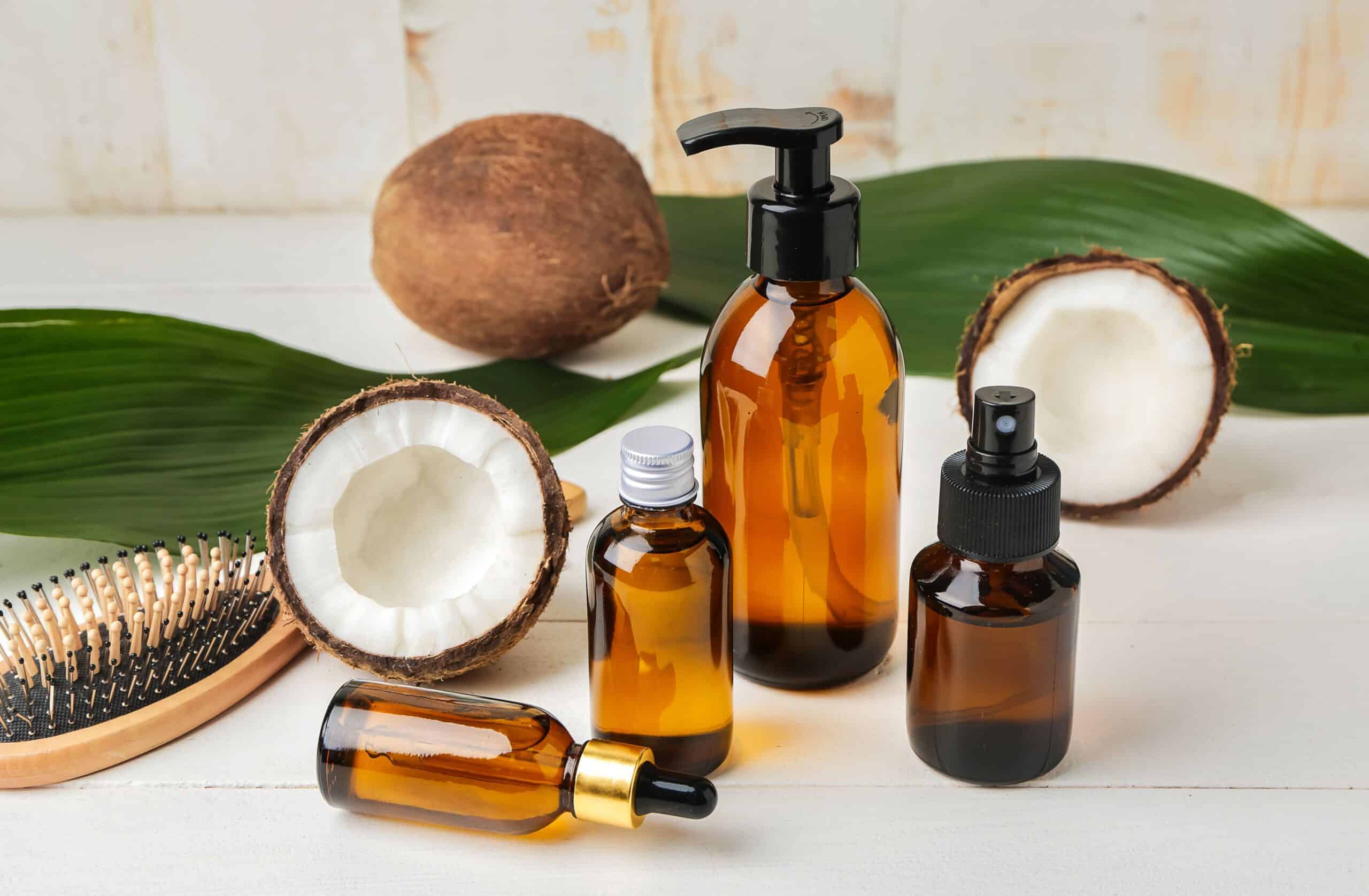
Source private label hair oil suppliers through Wonnda. These leave-in hair treatments are typically anhydrous blends of lightweight and penetrating oils, such as argan or coconut oil, often incorporating silicones or their alternatives for enhanced slip and shine. Formulations must balance frizz control and heat protection without leaving the hair greasy or limp, which influences the choice of fast-spreading esters and specific oil types. Consider certifications relevant to cosmetic products when evaluating potential manufacturers.
- Vetted suppliers
- 20,000+
- Brands & buyers
- 25,000+
- EU-made
- 80%
7+ Top private label hair oil manufacturers
Wonnda works with the best private label hair oil manufacturers. Here is a list of trusted suppliers from our network.
 Private LabelContract ManufacturingWholesale
Slovenia-based manufacturer with private label capability. European CDMO for food supplements, cosmetics, and pet food with patented BMT® microencapsulation technology and 30+ years of formulation ex
- Country
- Slovenia
- MOQ
- Contact for MOQs (project-dependent)
- Lead time
- 12 weeks
 Private LabelContract Manufacturing
Germany-based manufacturer producing dietary supplements, natural cosmetics, hybrid cosmetics, available to brands sourcing hair oil.
- Country
- Germany
- MOQ
- Lead time
 Private LabelContract Manufacturing
Netherlands-based manufacturer producing private-label skincare products, private-label haircare products, private-label personal care products, available to brands sourcing hair oil.
- Country
- Netherlands
- MOQ
- Lead time

Panaka
4.7Private LabelContract ManufacturingSwitzerland-based manufacturer producing private label skincare serums, private label spf products, private label toothpaste, available to brands sourcing hair oil.
- Country
- Switzerland
- MOQ
- Lead time
 Private LabelContract Manufacturing
USA-based manufacturer producing dietary supplements, pet supplements, pet grooming products, available to brands sourcing hair oil.
- Country
- USA
- MOQ
- Lead time
 Private LabelContract Manufacturing
Europe-based manufacturer producing skin care products, hair care products, oral care products, available to brands sourcing hair oil.
- Country
- -
- MOQ
- Lead time
 Private LabelContract Manufacturing
Europe-based manufacturer producing shampoos, hair masks, hair creams, available to brands sourcing hair oil.
- Country
- -
- MOQ
- Lead time
Compare MOQs and lead times
Quick side-by-side of the shortlist. Missing values shown as a dash.
| Supplier | Location | Types | MOQ | Lead time |
|---|---|---|---|---|
| Biostile Global | Slovenia | PL · CM · WS | Contact for MOQs (project-dependent) | 12 weeks |
| Azba Cosmetics | Germany | PL · CM | ||
| Vitalforce Cosmetics | Netherlands | PL · CM | ||
| Panaka | Switzerland | PL · CM | ||
| GP Labs | USA | PL · CM | ||
| Noesis Cosmetics | - | PL · CM | ||
| Private Labels Hair Products | - | PL · CM |
Buyer criteria
- Shine and slip without weight
The defining test for hair oil is delivering shine and slip without leaving hair greasy or limp, especially on fine hair. Test the actual blend on relevant hair types. A blender who cannot tune the light-to-heavy ratio for your target hair will produce an oil that either fails to shine or weighs hair down, which is the core failure of the format.
- Silicone-free performance if claimed
If you claim silicone-free, verify the blender can reach comparable shine and detangling with esters and natural oils, since this is genuinely harder than using silicone. Ask for a silicone-free sample to test against a silicone benchmark. A weak silicone-free oil undermines the clean claim it is built on and disappoints buyers expecting real slip.
- Weight match to hair type
Confirm the oil weight suits the hair type you target, light for fine hair, richer for thick or curly hair, since one weight does not serve all. Test on the relevant hair. An oil too heavy for fine hair flattens roots, while one too light for coarse hair fails to tame frizz, so the weight match is central to the product working.
- Oxidation control
As an anhydrous oil, hair oil can go rancid, so verify oil freshness, peroxide control, and an antioxidant such as vitamin E. Ask for oil specifications and stability data. A rancid hair oil smells off the moment it is applied near the face, which is an immediate and unforgivable defect for a leave-in product.
- Claim substantiation
Heat-protection, growth, or scalp claims need formulation support and appropriate evidence, so confirm the blender can substantiate any functional claim you intend to print. Ask what supports a heat-protection claim specifically. An unsupported performance claim on a hair oil is both a regulatory risk and a promise the product may not keep.
Red flags
- Greasy or flat result on sample
If the sample leaves hair greasy or limp, the weight balance is wrong for the target hair type, and that is the central failure of a hair oil. A blender who cannot deliver shine without weight on test hair has not solved the main problem of the format, so an unconvincing sample is reason to keep looking.
- Silicone-free claim with hidden silicone
If a blend claims silicone-free but the ingredient list or feel suggests silicone, the claim is false and the brand is exposed. Check the actual ingredient list against the claim, because silicone-free is a defining purchase reason for that segment and a hidden silicone is a serious breach of trust.
- No oxidation data
A blender who cannot show peroxide values and oxidation stability for the oils is risking a rancid leave-in product applied near the face. In an anhydrous hair oil, oxidation is the dominant failure mode, so missing this data is a clear warning.
- Unsupported heat or growth claims
If the blender will print heat-protection or hair-growth claims without formulation support or evidence, you inherit the regulatory and reputational risk. Functional hair-oil claims that lack substantiation are a compliance exposure and a promise the product may not be able to keep.
Manufacturing process
- 01
Oil and silicone system design
Penetrating oils, surface oils, and silicones or silicone alternatives are ratioed to deliver shine and slip at the target weight. For a silicone-free claim the formulator reaches shine with light esters and natural oils instead, which is harder. The system sets the cost, the shine, and how heavy the oil feels on hair.
- 02
Oil sourcing and quality check
Argan, coconut, and other oils are procured against purity and freshness specifications, since oxidation causes rancidity in an anhydrous product. Grade affects colour, scent, and performance. Incoming oils are checked for peroxide value before blending so the finished oil does not turn in the bottle.
- 03
Blending and active addition
Oils and silicones are blended at controlled temperature, with heat-protectant ingredients, fragrance, and antioxidants such as vitamin E added once the base is uniform. Order and temperature are managed so delicate oils are not damaged. The blend is checked for clarity and the right viscosity for the hair type.
- 04
Weight and slip tuning
The ratio of light to heavy components is adjusted so the oil gives slip and shine without flattening fine hair or feeling greasy. This sensory tuning is the core development work and usually takes a few iterations on hair swatches. Silicone-free formulas need the most adjustment to match the slip silicone gives.
- 05
Quality control and stability
The batch is tested for peroxide value, clarity, colour, scent, and viscosity against the standard, with stability data supporting shelf life and oxidation resistance. Microbiological checks are lighter than for water-based products but documented. Results support the cosmetic product file.
- 06
Filling and closure
Oil is filled into bottles with a pump or dropper sized to the viscosity, and fill accuracy is checked. Closure choice limits oxygen exposure for delicate oils. A pump that dispenses a controlled small dose suits a finishing oil where too much weighs hair down.
- 07
Labelling and lot coding
Bottles are labelled with the ingredient list, fragrance allergen declarations, and lot code with expiry or period-after-opening, consistent with the CPNP notification. Any heat-protection or shine claim is matched to the formulation. Traceability links finished bottles back to oil and fragrance lots.
Understanding hair oil private-label manufacturing
Product Overview
Hair oil is an anhydrous hair-care product. It blends lightweight and penetrating oils, such as argan and coconut, and lightweight esters. Often, it includes silicones or silicone alternatives for slip and shine. It is applied to lengths and ends for smoothing, frizz control, and heat protection, rather than to moisturize skin. In the EU, it is a cosmetic requiring CPNP notification and safety assessment.
While sharing an oil base with body oil, hair oil must deliver shine and weightless slip without leaving hair greasy or limp. This steers formulation toward fast-spreading esters and silicones, rather than the rich emollients a body oil can carry.
Formulation and Differentiation
Core sourcing decisions involve the oil and silicone system, the weight, and the claim. Penetrating oils like coconut and argan condition the hair shaft. Surface oils and silicones, such as dimethicone or cyclomethicone, provide instant shine and slip.
Silicone-free and clean positioning is a major segment. This requires formulators to achieve shine and detangling with natural esters and lighter oils, which is more challenging than using silicone. Weight is another critical factor. A fine-hair oil must be light enough not to flatten roots, while a thick-hair or curl oil can incorporate heavier nourishing oils. Heat protection and scalability or growth claims require substantiation.
Differentiation rests on the shine and slip, the weight match to a hair type, and silicone-free credentials where claimed. Qualifying a blender on the shine-versus-weight balance, silicone-free performance if claimed, and oxidation control is more important than the unit price.
Manufacturing and MOQs
Manufacturing clusters in EU cosmetic blenders in:
- Germany
- Italy
- France
- Poland
- UK
The anhydrous format keeps the process accessible to many mid-size houses. MOQs are similar to other oil cosmetics. Expect 1,000 to 3,000 units per SKU for a custom blend, with lower MOQs on a stock base. Lead times run 5 to 10 weeks for a first custom run including CPNP work. The light preservation burden makes hair oil an approachable category, though silicone and shine engineering can take a few formulation rounds to get the feel right.
Cost Drivers
Cost is driven, in order, by:
- The oils and silicones - argan and specialty silicone alternatives sit well above coconut or sunflower.
- The bottle and pump or dropper.
- The fragrance and any actives.
- Blending and filling.
Private-label hair-oil buyers include D2C hair-care and natural-beauty brands, salon and professional brands, and retailer ranges. They often sell the oil as a finishing shine product or a pre-wash treatment.
Frequently asked questions
How does hair oil differ from body oil in formulation?+
Can a hair oil be silicone-free and still perform?+
Why does weight matter and how do I match it to hair type?+
What MOQ and lead time apply to private-label hair oil?+
What claims can a hair oil make and what do they require?+
How do I keep a hair oil from going rancid?+
Explore adjacent product types
Get a vetted shortlist of hair oil suppliers in 48 hours.
Post a brief on Wonnda. Free, no commitment. We match you with vetted manufacturers that fit your MOQ, format and market.