What is White Label & What are White Label Products? Definition & Examples in 2026

White label is one of the fastest ways to bring a product to market. It is also one of the most misunderstood terms in sourcing and e-commerce. This guide explains exactly what white label means, how it differs from private label and contract manufacturing, and when it is the right choice for a brand or retailer.
Key Takeaways
- White label means a manufacturer produces a standard product that multiple brands can sell under their own label
- The same product, same formula, same production run can be sold by dozens of different brands simultaneously
- The best way to find best white label manufacturers are B2B platforms focused on White label manufacturing - such as Wonnda.com.
- White label differs from private label (which typically involves some exclusivity or customization) and from contract manufacturing (where the buyer owns the formula)
- The main advantage is speed and low upfront cost. The main limitation is zero product exclusivity
- White label works best for category testing, complementary SKUs, or categories where brand and marketing drive purchase decisions rather than formulation
- Most white label products in consumer goods come from manufacturers in Europe, the US, and a handful of specialized global suppliers
What White Label Means
White label is a product created by a manufacturer and made available to multiple companies, each of which sells it under their own brand name and packaging. The manufacturer owns the product, the formula, and the production process. The selling brand contributes the label, the packaging design, and the marketing.
The term comes from the image of a product with a blank white label, ready for any brand to apply its own identity. In practice, white label products are completely finished goods. The buyer does not specify the formula, does not request modifications, and does not own the product in any meaningful technical sense. They are purchasing the right to resell it under their brand.
Key characteristics of white label:
- The manufacturer owns and controls the product and formula
- The same product is available to any brand willing to meet the minimum order quantity
- Customization is limited to packaging and label design
- No exclusivity, unless negotiated separately (which is uncommon)
- Speed to market is faster than private label or contract manufacturing because no development phase is required
White Label vs Private Label vs Contract Manufacturing
These three terms describe different levels of product ownership, customization, and exclusivity. They are frequently confused, but the commercial implications of each are very different.
| White Label | Private Label | Contract Manufacturing | |
|---|---|---|---|
| Product ownership | Manufacturer owns the formula | Shared or buyer-influenced formula | Buyer owns the formula and IP |
| Exclusivity | None. Same product available to all buyers | Partial to full, depending on agreement | Full. Buyer owns the spec |
| Customization | Label and packaging only | Moderate (formulation tweaks, packaging) | Complete (formula, process, ingredients) |
| Speed to market | Fastest. Product already exists | Medium. Some development required | Slowest. Full development cycle |
| MOQ | Lowest | Medium to high | Highest |
| Upfront investment | Lowest | Medium | Highest |
| Margin potential | Lower (commoditized) | Higher | Highest |
| Differentiation | None on product. Brand and marketing only | Moderate | Full |
The practical implication: if a competitor sources the same white label product from the same manufacturer, your products are identical. The only things differentiating you are your brand, your price, and your marketing. In categories with weak brand loyalty and price-sensitive buyers, this creates a race to the bottom.
How White Label Works
The process is shorter than private label sourcing because the product development phase does not exist.
1. Find a manufacturer with a white label program
Many manufacturers in supplements, cosmetics, food, and household categories run explicit white label programs. They have a catalog of finished products available for any brand to purchase, with their own label applied. Some manufacturers specialize entirely in white label supply to e-commerce brands and Amazon sellers.
2. Select the product
The buyer reviews the manufacturer's product catalog and selects the item or items they want to sell. Evaluation typically covers product specification, compliance certifications, current ingredient sourcing, and whether the product meets the target market's labeling requirements.
3. Submit label and packaging artwork
The buyer provides their label design and, where applicable, custom packaging artwork. The manufacturer prints and applies labels, fills containers, and ships finished goods. Some manufacturers also handle secondary packaging (boxes, inserts) at an additional cost.
4. Place order and receive stock
MOQs for white label are typically lower than private label: 100 to 2,000 units is common in supplements and cosmetics, depending on the manufacturer. Lead times are short: 2 to 6 weeks from order to delivery is typical for in-stock white label products.
5. Sell and reorder
Because the product is not exclusive, reordering is straightforward. The manufacturer maintains inventory. The buyer does not carry formulation risk, but also does not benefit from any improvements or adjustments to the product unless the manufacturer makes them independently.
White Label Examples by Category
White label products are particularly widespread in categories with commodity-like formulations, where manufacturing quality is relatively uniform and product performance is predictable.
Supplements and nutraceuticals
The supplement industry has one of the highest concentrations of white label products globally. Many manufacturers offer entire catalogs of standard formulations: vitamin D capsules, magnesium glycinate, collagen powder, omega-3 softgels. A single manufacturer may supply dozens or hundreds of brands with identical products. The differentiation between those brands happens entirely in packaging, marketing, and distribution channel.
This is why the supplement aisle on major e-commerce platforms often shows multiple brands at similar price points with near-identical product descriptions. In most cases, they are the same product from the same manufacturer.
Cosmetics and personal care
Basic formulations in skincare and personal care (basic moisturizers, cleansers, toners, shampoos) are frequently white labeled. European and US cosmetics manufacturers with ISO 22716 certification often run both white label and private label programs simultaneously, offering brands the choice between a catalog formula or a custom development.
Food and beverage
Coffee is among the most widely white-labeled food products globally. Many specialty coffee brands source from roasters who offer white label programs: the same roast profile, same origin beans, different bag and brand. Protein bars, snack mixes, teas, and superfood powders follow the same pattern.
Household and cleaning products
Many household cleaning products are produced by a small number of manufacturers and sold under dozens of brand labels. The formulations are standard, compliance-tested, and production-ready. White labeling here is especially common for detergents, surface cleaners, and personal hygiene products.
Pet care and pet supplements
The pet supplement market mirrors the human supplement market in its white label density. Joint supplements, omega oils, probiotic chews, and calming aids for pets are widely available as white label products from manufacturers in Europe and the US.
Advantages of White Label
Fastest route to market
There is no development phase, no sampling cycle, and no formula approval process. A brand can go from product selection to live inventory in 3 to 6 weeks. For brands entering a new category or testing product-market fit, this speed is the primary value driver.
Lower upfront capital requirement
MOQs are lower and product development costs are zero. A brand can launch a white label supplement or cosmetic for a few thousand euros in initial inventory, compared to the significantly higher investment required to develop a proprietary formulation through contract manufacturing.
Reduced formulation and compliance risk
The product already exists, is already certified, and is already compliant with relevant regulations. The manufacturer has absorbed the development risk. For brands without in-house technical expertise, this significantly lowers the barrier to entering regulated categories like supplements or cosmetics.
Useful for catalog expansion
White label is a practical way to fill out a product range quickly. A supplement brand with five hero SKUs can add ten supporting products through white label without the cost and time of custom development. The hero products carry the brand's differentiation. The supporting products provide range and cross-sell opportunity.
Limitations of White Label
Zero product exclusivity
This is the defining limitation of white label. Any competitor can source the same product from the same manufacturer. If product quality or formulation is part of your brand positioning, white label cannot support it. The same product is available to whoever is willing to meet the MOQ.
Margin compression from commoditization
When multiple brands sell identical products, competition defaults to price. This is particularly damaging on platforms like Amazon, where the same white label product from different brands sits side by side. Sustainable margins require either strong brand loyalty (hard to build on a commodity product) or distribution advantages that competitors cannot easily replicate.
No formula control
The manufacturer can change ingredients, suppliers, or production processes without notifying white label buyers. A formula that passed your compliance check today may differ from what ships in six months. Brands in regulated categories face particular risk here, as changes to active ingredient sourcing can affect labeling claims or certifications.
Limited brand story
Building a compelling brand narrative around a product that dozens of competitors also sell is structurally difficult. The most defensible brand stories in consumer goods are rooted in product development choices. White label removes that story almost entirely.
When White Label Makes Sense
White label is not inherently inferior to private label. It is the right tool in specific situations:
| Situation | White Label? | Why |
|---|---|---|
| Testing a new category before committing to custom development | Yes | Low capital at risk. Validates demand before investing in proprietary product. |
| Filling out a product catalog around hero SKUs | Yes | Supporting products don't need exclusivity if the hero products carry the brand. |
| Fast launch for a marketing-led brand | Yes | If the brand and channel are the moat, product exclusivity matters less. |
| Building a brand where formulation is the core claim | No | Competitors can undercut with identical product. Brand story doesn't hold. |
| Launching hero or flagship SKUs | No | Your most important products need protection. Use private label or contract manufacturing. |
| Retailer exclusive or listing requirement | No | Retailers requiring exclusivity cannot accept white label products. |
Common Mistakes in White Label
Using white label for hero products
The most common and costly mistake. Launching your flagship product on a white label formula means a competitor can replicate it within weeks. Any brand equity you build on the product is permanently at risk. White label is appropriate for supporting SKUs and test launches, not for products that define your brand.
Not checking how many other brands use the same product
Before committing to a white label product, search for it on your target sales channels. A simple reverse image search or ingredient search will often surface the competing brands. If the product is already heavily distributed under multiple labels on your target platform, entering is starting from behind.
Assuming white label certifications transfer automatically
A manufacturer's certifications (GMP, organic, ISO) cover their production process. They do not automatically apply to your label or brand. Compliance requirements for your specific market, including labeling laws, ingredient disclosure rules, and marketing claim restrictions, are your responsibility as the brand owner, regardless of the manufacturer's certifications.
Confusing white label with private label in communications
Telling customers or retail buyers that a product is "proprietary" or "exclusive" when it is a white label product is both a credibility risk and a potential compliance issue. Buyers and retail category managers increasingly have the tools to identify white label products. Transparency about product sourcing, even when it is not volunteered, is the safer commercial position.
Frequently Asked Questions
What is the difference between white label and private label?
White label is a standard product available to multiple brands with label customization only. Private label typically involves some degree of product customization, formula adaptation, or exclusivity. With private label, the product is more closely tied to the buying brand's specification. With white label, the manufacturer's product is sold as-is to anyone who orders it.
Can you negotiate exclusivity on a white label product?
Sometimes. Some manufacturers will offer geographic or channel exclusivity on a white label product for buyers committing to sufficient volume. This is more common in categories with fewer competing manufacturers and higher MOQ thresholds. In practice, true exclusivity on a white label product usually requires committing to volumes that make the economics more similar to a private label program.
What is a typical MOQ for white label products?
MOQs vary by category. Supplements: 100 to 1,000 units is common. Cosmetics: 100 to 500 units for basic formulas. Food products: varies by format, but often 500 to 2,000 units or kg. The lower MOQs are one of white label's practical advantages over custom product development.
How long does it take to launch a white label product?
From product selection to delivery: 2 to 6 weeks is typical for in-stock white label products. The main variables are label printing lead time and shipping. This is significantly faster than private label (3 to 6 months) or contract manufacturing (6 to 12 months for new formulations).
Is white label the same as reselling?
No. Reselling is purchasing a finished, branded product and selling it under the manufacturer's original brand. White label means the manufacturer's product is sold under the buyer's brand. The manufacturer's name does not appear on the product, and the selling brand takes full commercial and regulatory responsibility for what they sell.
Where can I find white label manufacturers in Europe and the US?
Trade shows (Cosmoprof, Vitafoods, Anuga) are one route. B2B sourcing platforms that index manufacturer capabilities by category and country are more efficient, particularly for buyers who want to compare multiple suppliers and verify certifications before reaching out. Wonnda covers private label and white label manufacturers across Europe and the US, filterable by category, certification, and production capability.
Looking for white label manufacturers for your category? Browse verified suppliers across Europe and the US on Wonnda, or post your requirements to get matched with manufacturers that fit your product, volume, and compliance needs.
Related articles

Best Clothing Manufacturers in Europe - 2026 Guide by Wonnda
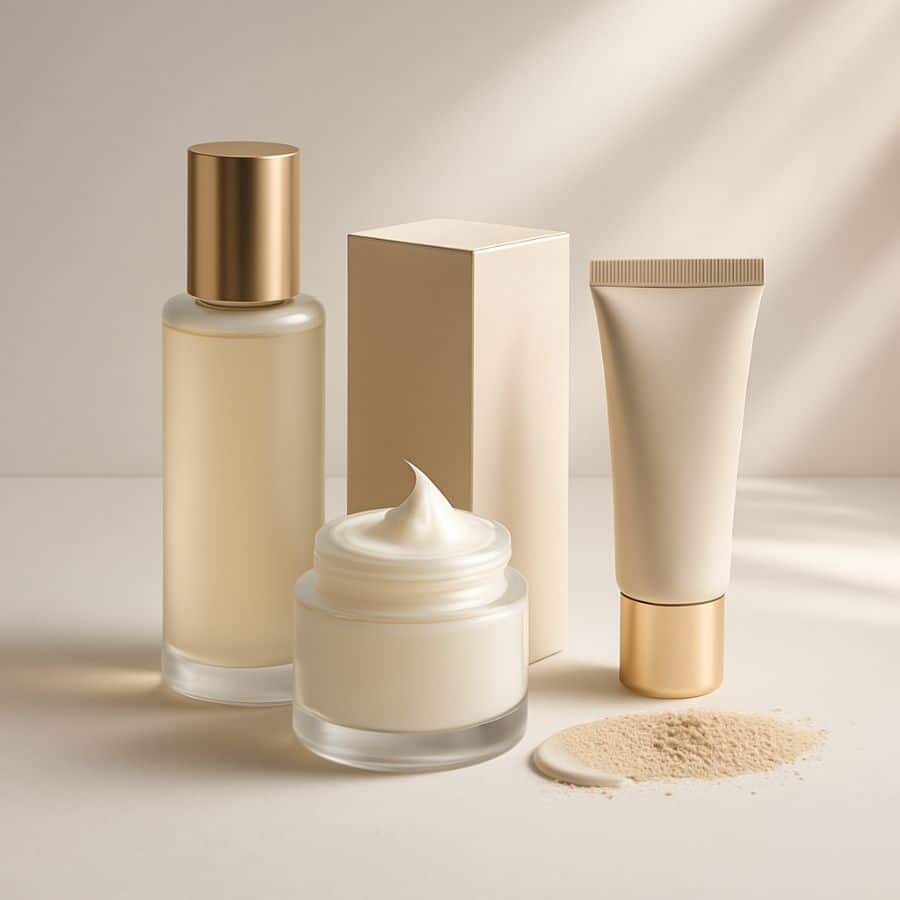
10+ Best Beauty Manufacturers in the US (2026 List)

How to Find a Manufacturer for Your Product (2026 Guide)

European Suppliers: How to find the best EU suppliers in 2026

10 Best European Sourcing Agencies To Find Suppliers & Launch Your Product
How to Start a Premium Private Label Cookware Brand: The Complete Guide
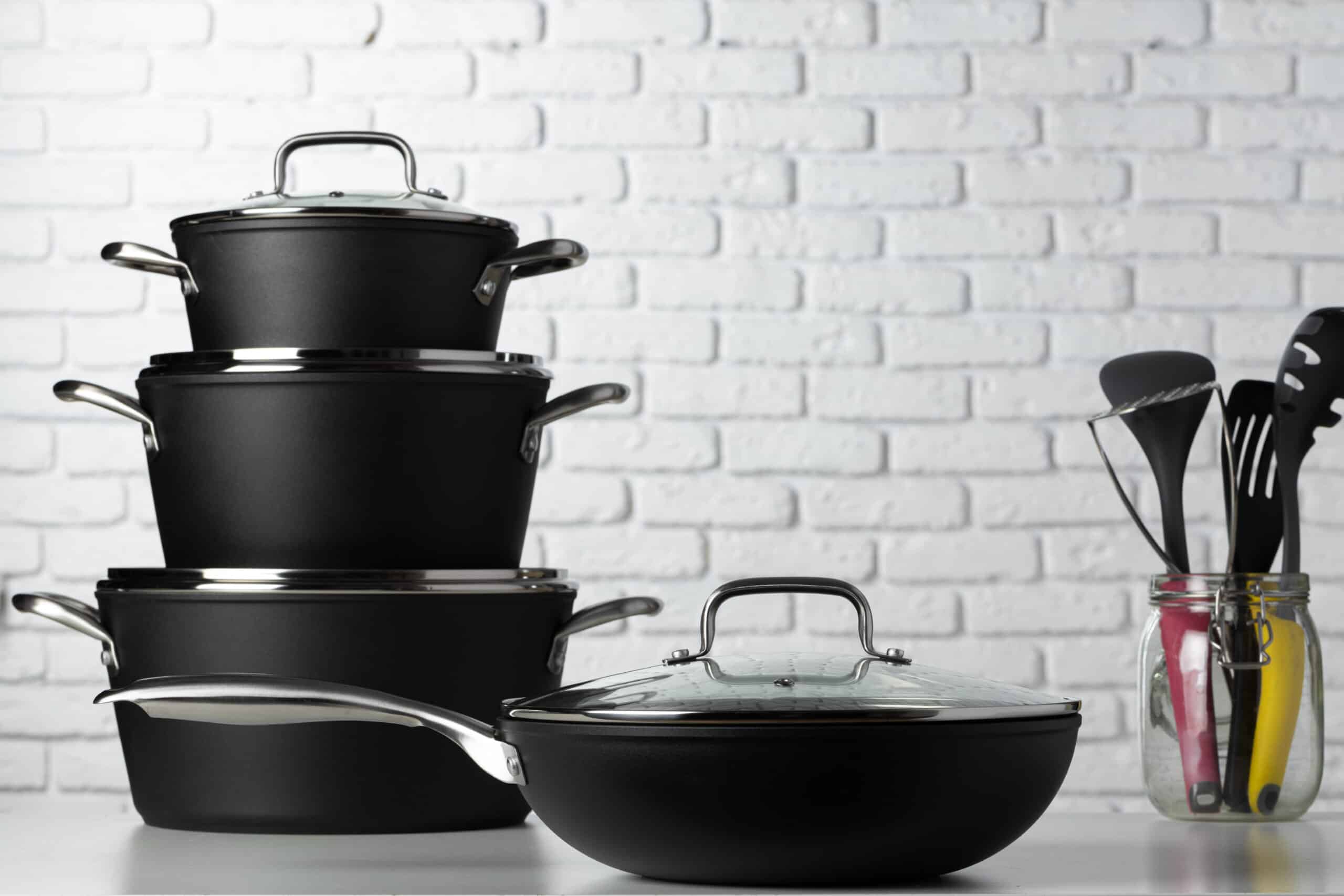
5+ Best Private Label Nonstick Cookware Manufacturers
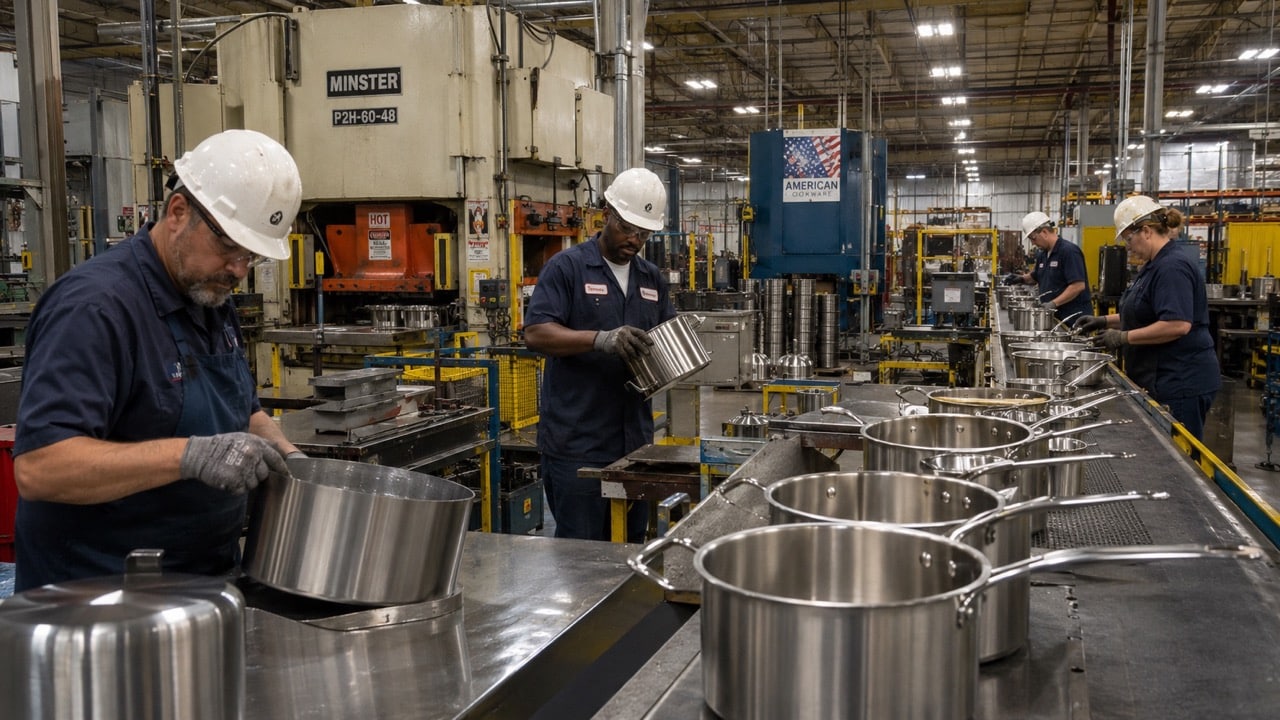
5+ Best Private Label Cookware Manufacturers in the USA (2026)