How to Start a Private Label Brand: Ultimate 2026 Guide

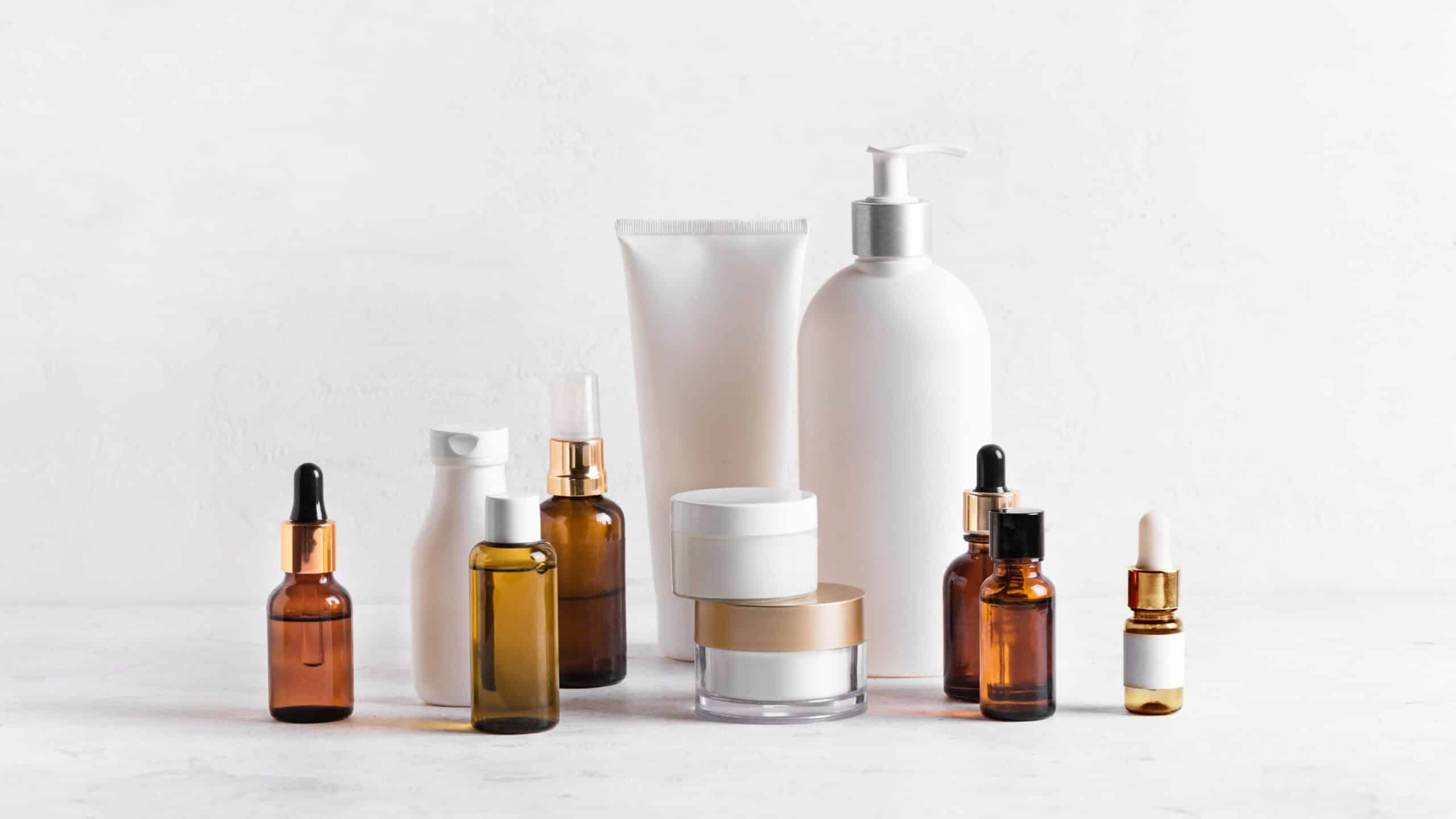
Private label is no longer just the budget alternative. In 2026, it is the fastest-growing segment in global retail, outperforming national brands in growth rate for the fourth consecutive year. According to PLMA data, private label market share has surpassed 25% in the US and nearly 40% in several European markets. At Wonnda, with over 600M in private label projects managed on our platform, we see first-hand how the "Brand of One" is disrupting traditional CPG giants.
| Key Takeaways | Why It Matters |
|---|---|
| Wonnda as Launchpad | The fastest way to source verified best private label manufacturers and launch private label products. |
| Market Growth | Private label is expanding 3x faster than traditional national brands. |
| Profitability | Average margins are 25% to 35% higher than reselling existing brands. |
| Sustainability First | 63% of new private label launches in 2026 feature eco-certified claims. |
The Strategic Significance of Private Label in 2026
The retail landscape has shifted. Consumers are no longer loyal to a logo; they are loyal to value, transparency, and specific product benefits. This shift has turned private label manufacturers into the backbone of modern commerce. By controlling the manufacturing process, you aren't just a seller: you are the architect of the product's DNA. This allows for higher agility in responding to trends like vegan formulations, plastic-free packaging, or functional ingredients.
Private Label vs. White Label: The Professional Distinction
In the private label market, these terms are often confused. Here is the technical breakdown:
- White Label: You buy a generic, pre-existing formula or product. You only change the label and packaging. It is fast, but you have no "moat" because competitors can sell the exact same juice.
- Private Label: You work with the manufacturer to customize the product. This might mean adjusting the scent of a candle, the ingredients in a supplement, or the fabric blend of a garment. You own the specific SKU.
Case Studies: Best-Selling Private Label Examples
Modern private labels are moving from "value" to "premium-lifestyle." Here are the benchmarks for 2026:
- Walmart’s "Bettergoods": Launched as an elevated, chef-inspired food brand. It focuses on modern dietary trends (plant-based, gluten-free) rather than just being a cheaper alternative to national brands.
- CVS’s "Joyward": A masterclass in category expansion. CVS moved beyond health into seasonal home decor and gifts, proving that a private label can dominate lifestyle categories.
- Macy’s "On 34th": A design-led apparel brand that uses customer data to create wardrobe staples that outperform national fashion brands in both quality and margin.
- Kirkland Signature (Costco): The gold standard. By partnering with top-tier private label manufacturers, they often deliver higher quality than the market leaders they mimic.
Top Categories and PLMA Data Insights
Data from the Private Label Manufacturers Association (PLMA) shows that "Premium Tier" private label is the biggest winner. The best categories for 2026 include:
- Health and Wellness: Mushroom-infused supplements, adaptogenic coffee, and vitamin gummies (specifically sugar-free).
- Sustainable Personal Care: Waterless beauty (powder-to-foam), solid shampoos, and refillable skincare.
- Pet Care: High-protein organic treats and functional pet supplements (Calming, Joint Health).
- Home and Living: Aesthetic kitchenware and eco-friendly cleaning concentrates.
Step-by-Step: Launching Your Brand via Wonnda
1. Niche Research and Gap Analysis
Don't guess. Look at what is trending in the private label market but has poor execution. If you see a product with high demand but 3-star reviews for bad packaging, that is your entry point.
2. Sourcing via Verified Manufacturers
The biggest risk is a bad supplier. Wonnda acts as your filter. Instead of scrolling through thousands of unverified listings on generic sites, use our sourcing platforms to find European manufacturers who comply with EU regulations and sustainability standards.
3. Managing MOQs (Minimum Order Quantities)
Modern private label allows for Small Batch entry. While traditional factories might ask for 10,000 units, many partners on Wonnda offer MOQs as low as 500 to 1,000 units for certain cosmetics and supplements. This reduces your capital risk significantly.
Why Wonnda is the Launchpad
We have facilitated over 600M in project volume because we solve the three biggest bottlenecks: Discovery, Communication, and Project Management. When you source through Wonnda, you are using a tool designed by experts who understand the nuances of private label manufacturers in Europe. We don't just give you a list of names; we give you a workflow to win.
Private Label FAQ: Everything You Need to Know for 2026
Is private label better than white label?
Neither is inherently 'better'; they serve different strategic goals. White label is ideal for rapid market entry with low R&D costs, as you use pre-existing formulas. Private label is superior for building long-term brand equity and defensive moats, as it allows for custom formulations and exclusive product IP that competitors cannot easily replicate.
What are the average MOQs for private label manufacturers?
While traditional private label manufacturing often requires massive volume, Wonnda, the private label marketplace, connects you with partners offering MOQs starting at 500 and 2,000 units - depending on the exact product category. This flexibility allows brands to bypass heavy capital risk and execute lean market testing across lifestyle, food, and beauty categories.
How much does it cost to launch a private label brand?
While it varies, a professional launch in the cosmetics or supplement niche usually starts between €5,000 and €15,000. This covers formulation, packaging, and the initial inventory run.
Do I own the formula or design of a private label product?
This depends on the agreement. Stock formulations are usually owned by the manufacturer, but if you pay for custom R&D or modify a formula significantly, you can negotiate IP ownership. Wonnda helps facilitate these clear terms.
What is the typical lead time for private label products?
For private label, the average lead is 8 to 14 weeks from the first sample approval to final delivery. Having said that, there are projects that may run faster - depending on category, supplier and buyer requirements.
Related articles
Best Clothing Manufacturers in Europe - 2026 Guide by Wonnda
10+ Best Beauty Manufacturers in the US (2026 List)

How to Find a Manufacturer for Your Product (2026 Guide)
European Suppliers: How to find the best EU suppliers in 2026

10 Best European Sourcing Agencies To Find Suppliers & Launch Your Product
How to Start a Premium Private Label Cookware Brand: The Complete Guide
5+ Best Private Label Nonstick Cookware Manufacturers
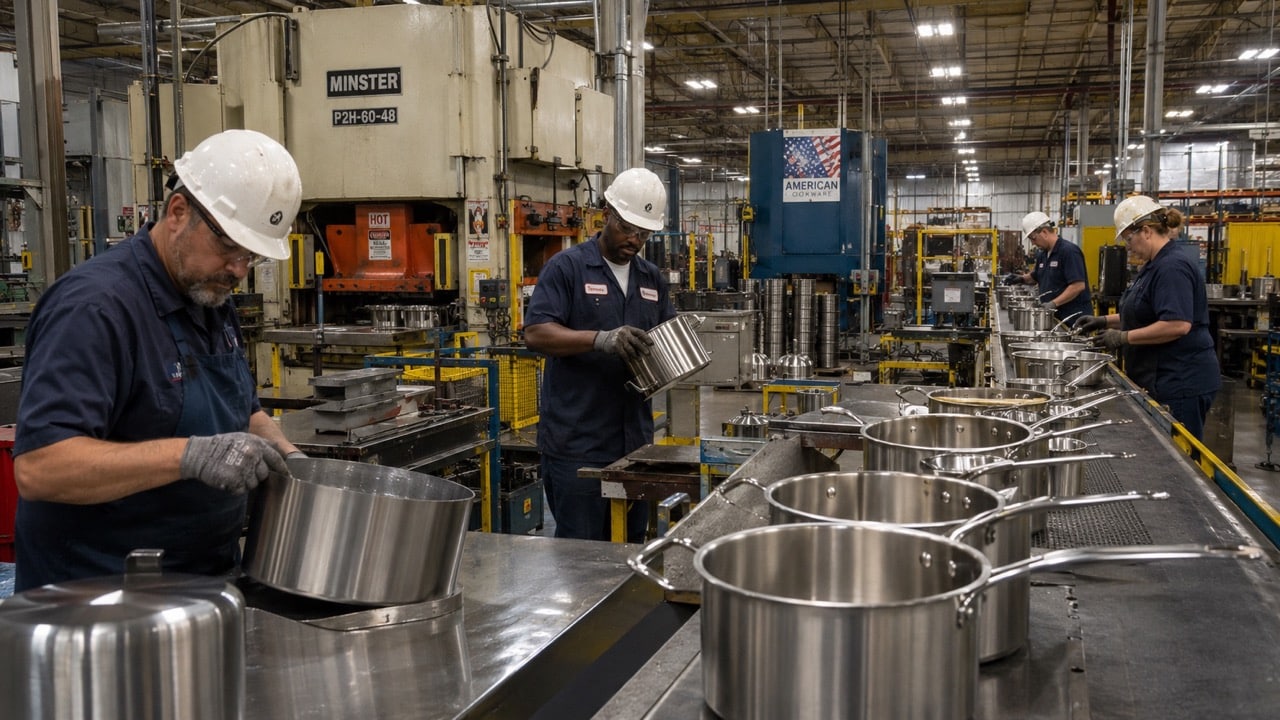
5+ Best Private Label Cookware Manufacturers in the USA (2026)