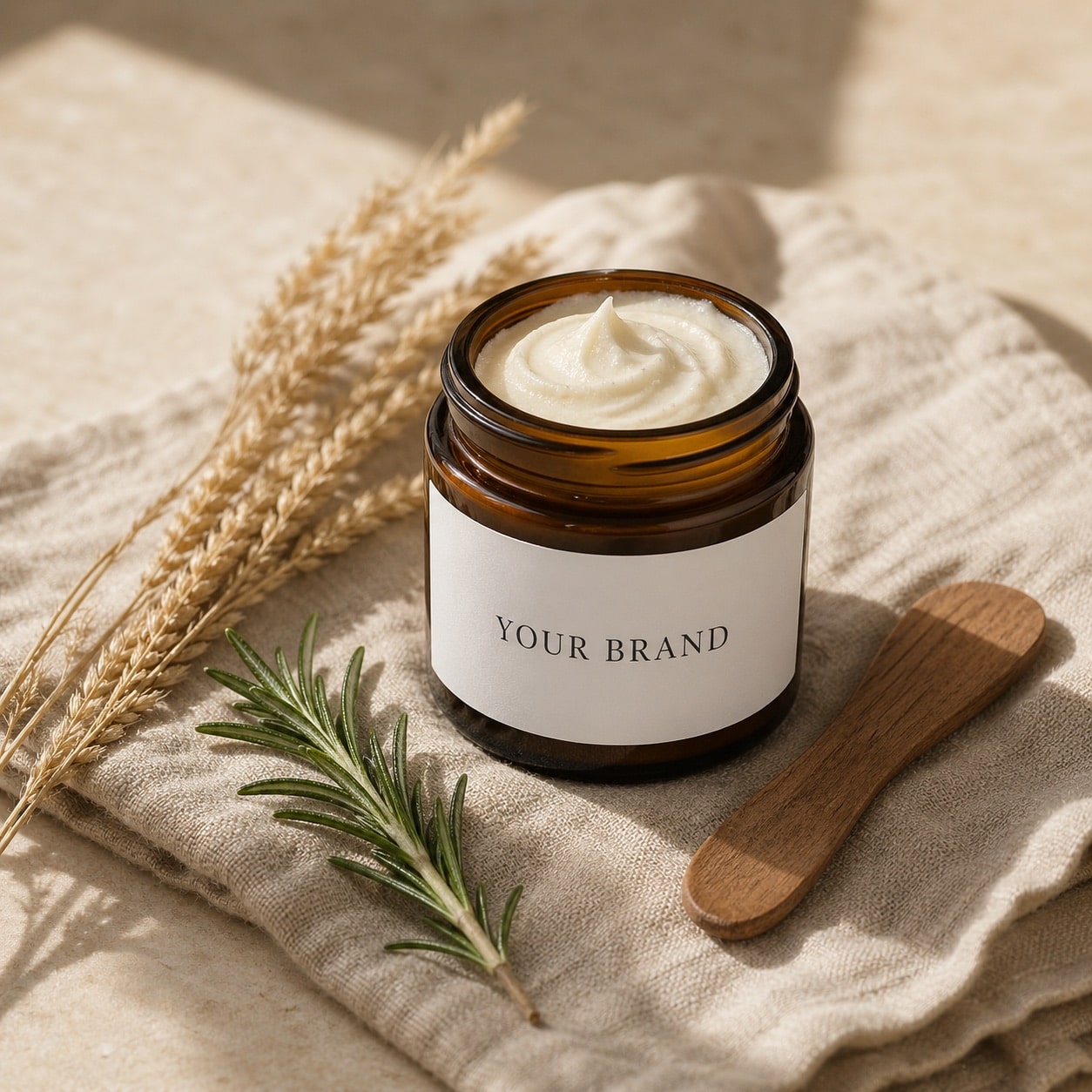
What is Co-Manufacturing (Co-Man)? The Ultimate Guide

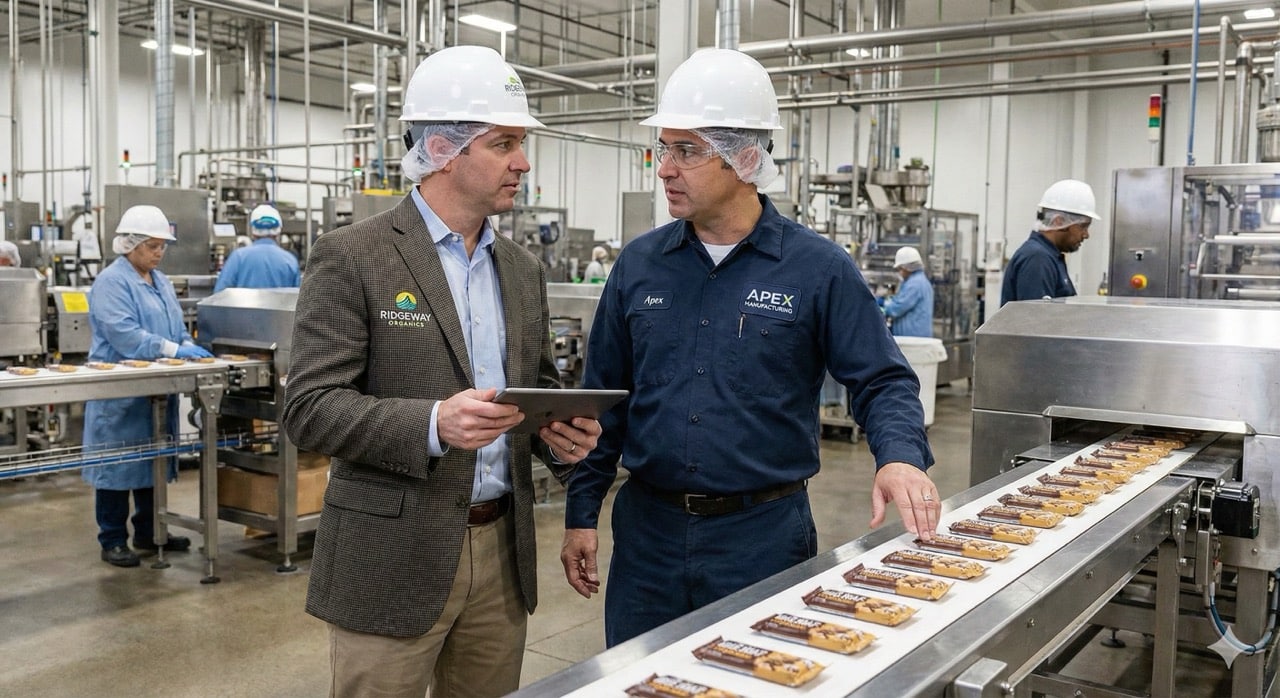
Quick Definition: Co-manufacturing (often shortened to "co-man") is a strategic outsourcing model where a brand hires a third-party manufacturer to produce goods using the brand's unique formula, design, and specifications. Unlike private labeling, the brand retains full ownership of the intellectual property (IP). Starting a product-based business involves a critical "make or buy" decision. Do you invest millions in building your own factory, or do you partner with experts who already have the infrastructure? For 90% of modern Consumer Packaged Goods (CPG) brands, the answer is the latter. However, the manufacturing industry is full of confusing jargon. Is a co-man the same as a co-packer? How does it differ from private labeling? And what is "tolling" versus "turnkey"? This comprehensive guide covers everything you need to know to make the right choice for your supply chain.
What Is Co-Manufacturing?
Co-manufacturing (short for Contract Manufacturing) is a business relationship where a brand partners with an external factory to produce its products to exact specifications. The key distinction here is customization and ownership. In a co-manufacturing agreement, you are not buying a product off the shelf. You are renting the operational capacity of a factory to build your product. The manufacturer provides:
- The Facility: Food-grade kitchens, clean rooms, or assembly lines.
- The Equipment: Industrial mixers, bottling lines, ovens, and extruders that would cost you millions to purchase.
- The Staff: Experienced engineers, quality control officers, and line workers.
- The Certifications: FDA, ISO, GMP, Organic, or HACCP credentials that ensure your product is legal to sell.
This model allows brands to remain "asset-light." You focus on marketing, sales, and R&D, while the partner handles the heavy lifting of production.
Turnkey vs. Tolling: The Two Types of Agreements
Not all co-manufacturing relationships are the same. Depending on how much control you want over your raw materials, you will likely enter one of two types of agreements:
1. Turnkey Manufacturing
In a Turnkey agreement, the manufacturer handles everything. You provide the specifications, and they source the raw ingredients, packaging materials, and labels. They produce the finished good and hand it over to you ready for sale.
- Pros: Less logistical work for you; the factory often gets better bulk pricing on raw materials.
- Cons: Higher cost per unit (the factory adds a margin on materials); less control over ingredient quality.
2. Tolling (Toll Manufacturing)
In a Tolling agreement, you buy and supply the raw materials and packaging to the factory. The manufacturer simply charges a fee (a "toll") for the labor and equipment use to process those materials.
- Pros: Maximum control over ingredient quality; lower cost per unit; you protect your supply chain secrets.
- Cons: High logistical burden; you are responsible if raw materials are delayed.
The Big Confusion: Co-Man vs. Co-Packer
These terms are often used interchangeably, but they refer to different stages of the supply chain. If you ask for a co-packer when you actually need a co-manufacturer, you will waste weeks of communication.
| The Co-Manufacturer (The "Chef") | The Co-Packer (The "Waiter") |
|---|---|
| Creates the product from scratch (Mixing/Making). | Packages existing product (Filling/Boxing). |
| Focus: Chemistry, cooking, formulation. | Focus: Assembly, labeling, logistics. |
| Example: Mixing flour, sugar, and chocolate to bake a cookie. | Example: Putting the baked cookie into a plastic tray and box. |
Note: Many modern facilities are "Hybrid" partners, offering both co-manufacturing and co-packing services under one roof. On Wonnda, we clearly label suppliers so you know if they can handle both steps.
Comparison: Co-Man vs. Co-Packer vs. Private Label
To help you decide which partner you need, we’ve broken down the three most common sourcing models below.
| Feature | Co-Manufacturing (Co-Man) | Co-Packing | Private Label |
|---|---|---|---|
| Primary Function | Creates the product from scratch | Packages existing product | Sells pre-made product with your logo |
| IP Ownership | You own the formula/design | You own the product | Manufacturer owns the formula |
| Customization | High (100% Custom) | Medium (Packaging only) | Low (Label & Packaging only) |
| Time to Market | Medium to Long (3-9 Months) | Fast | Very Fast (4-8 Weeks) |
| Startup Costs | High (R&D + MOQs) | Low | Low |
| Best For... | Unique products requiring custom formulation | Bundling, kitting, or repacking bulk goods | Testing a market quickly with generic goods |
Industry Breakdown: What Does a Co-Man Do?
The role of a co-manufacturer changes drastically depending on your niche. Here is what to expect in the top three industries.
1. Food & Beverage 🍔
In the food industry, co-mans are essential for food safety. They operate HACCP-compliant facilities that you could likely never afford to build yourself.
- Co-Man task: Sourcing fresh ingredients, cooking sauces, pasteurizing drinks, baking snacks.
- Co-Packer task: Flow-wrapping bars, nitrogen flushing bags (to keep chips crisp), bottling liquids.
2. Beauty & Cosmetics 💄
Cosmetics manufacturing requires strict hygiene and stability testing. A co-man here acts as your chemist.
- Co-Man task: Emulsifying creams, melting waxes for lipsticks, mixing fragrances.
- Co-Packer task: Filling airless pump bottles, crimping perfume sprays, assembling gift sets.
3. Supplements & Health 💊
This is a highly regulated sector where precision is key.
- Co-Man task: Blending powders, encapsulating vitamins, manufacturing gummies.
- Co-Packer task: Induction sealing bottles (safety seals), applying compliant nutrition labels, blistering pills.
The Hidden Costs of Co-Manufacturing
While co-manufacturing saves you the cost of building a factory, it is not without its own financial pitfalls. When negotiating your contract, be aware of these often-overlooked costs:
- R&D Fees: Before a single unit is produced, you may pay thousands for the factory to adapt your recipe to their machines.
- Tooling Costs: If you have a custom bottle shape or a unique chocolate mold, you must pay for the metal "tooling" to be created.
- Yield Loss: In every production run, some product is lost in the pipes or on the floor. You usually pay for the raw materials that went in, not just the finished units that came out.
- Storage Fees: If you don't pick up your finished goods immediately, the factory will charge you for warehousing.
How to Find the Right Co-Manufacturer
Finding a reliable "Co-Man" used to be the hardest part of the industry. Brands would rely on outdated directories, expensive trade shows, or word-of-mouth. The sourcing process typically follows these steps:
- Prepare Your Specifications: You must have a clear specification sheet before contacting factories. If you don't know your ingredients or packaging dimensions, they cannot quote you.
- Source & Filter: Use a digital platform to filter manufacturers by location, certification, and minimum order quantity (MOQ).
- Request Samples: Never go to full production without a "Golden Sample"—the perfect prototype that serves as the standard for quality.
- Audit: If possible, visit the facility or request a virtual tour to ensure labor conditions and cleanliness meet your standards.
The Wonnda Advantage
At Wonnda, we have digitized this entire workflow. Instead of emailing 50 factories and waiting for a reply, you can:
- Access vetted and verified co-manufacturers and co-packers.
- Filter by niche (e.g., "Vegan Cosmetics" or "Pet Food").
- Send one project brief to multiple relevant suppliers to compare quotes.
Related articles
Best Clothing Manufacturers in Europe - 2026 Guide by Wonnda

10+ Best Beauty Manufacturers in the US (2026 List)

How to Find a Manufacturer for Your Product (2026 Guide)
European Suppliers: How to find the best EU suppliers in 2026

10 Best European Sourcing Agencies To Find Suppliers & Launch Your Product
How to Start a Premium Private Label Cookware Brand: The Complete Guide
5+ Best Private Label Nonstick Cookware Manufacturers
5+ Best Private Label Cookware Manufacturers in the USA (2026)