
Best private label perfume bottles manufacturers
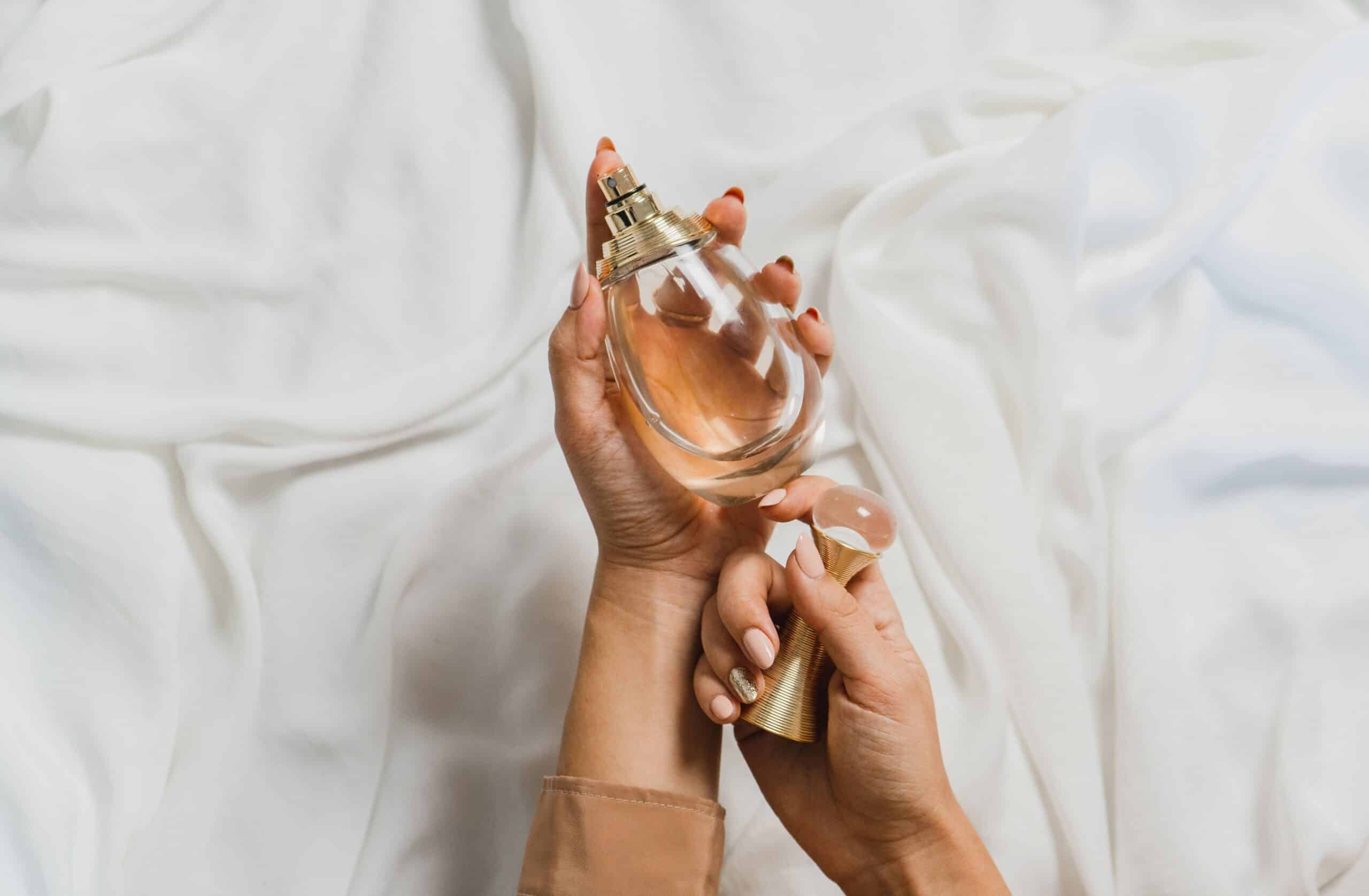
Find vetted private label perfume bottles manufacturers on Wonnda. Sourcing involves selecting precision glass or polymer flacons, alongside compatible pumps, collars, and caps to create a cohesive primary packaging system. Brands must consider various decoration techniques such as frosting, painting, or metallization to achieve their desired visual and tactile presentation. Lead times are influenced by the complexity of custom molding, decoration processes, and component availability, all of which contribute to the final product's shelf presence and perceived value.
- Vetted suppliers
- 20,000+
- Brands & buyers
- 25,000+
- EU-made
- 80%
6+ Top private label perfume bottles manufacturers
Wonnda works with the best private label perfume bottles manufacturers. Here is a list of trusted suppliers from our network.
- Featured
 PackagingWholesale
Czech supplier of glass bottles, jars, closures and dosing systems
- Country
- Czech Republic
- MOQ
- From 1 carton per bottle type.
- Lead time
- Up to 1 week
- Featured
 Private LabelContract Manufacturing
Romania-based manufacturer producing plastic packaging for cosmetics, plastic packaging for health and beauty, private label packaging solutions, available to brands sourcing perfume bottles.
- Country
- Romania
- MOQ
- Lead time
- Featured
Panaka
4.7Private LabelContract ManufacturingSwitzerland-based manufacturer producing private label skincare serums, private label spf products, private label toothpaste, available to brands sourcing perfume bottles.
- Country
- Switzerland
- MOQ
- Lead time
 Private LabelContract Manufacturing
Poland-based manufacturer producing private-label perfumes, fragrance development and formulation, custom bottle design and decorations, available to brands sourcing perfume bottles.
- Country
- Poland
- MOQ
- Lead time
 Private LabelContract Manufacturing
Netherlands-based manufacturer producing custom perfumes (edp, edt, cologne), reed diffusers, scented candles, available to brands sourcing perfume bottles.
- Country
- Netherlands
- MOQ
- Lead time
 Private LabelContract Manufacturing
France-based manufacturer producing scented candles, room sprays, eau de parfum, available to brands sourcing perfume bottles.
- Country
- France
- MOQ
- Lead time
Compare MOQs and lead times
Quick side-by-side of the shortlist. Missing values shown as a dash.
| Supplier | Location | Types | MOQ | Lead time |
|---|---|---|---|---|
| All2Cover | Czech Republic | Packaging · WS | From 1 carton per bottle type. | Up to 1 week |
| PLASTIC CONCEPTS SRL | Romania | PL · CM | ||
| Panaka | Switzerland | PL · CM | ||
| AromaPartners | Poland | PL · CM | ||
| Private Label Perfume | Netherlands | PL · CM | ||
| Bougie et Senteur | France | PL · CM |
Buyer criteria
- Crimp and pump compatibility
The pump must crimp tightly to the bottle neck to seal and spray correctly, so confirm the supplier verifies pump-to-neck compatibility and crimp specification for your exact bottle. A mismatch causes leaks and weak spray that ruin the product. Ask for assembled samples that you can spray-test rather than judging the empty bottle alone, since the seal is invisible until it fails.
- Glass weight and clarity for the price point
Glass weight and clarity signal quality the moment a customer picks up the bottle, so confirm the flacon meets the heft and finish expected at your price tier. A light, thin bottle undercuts a prestige positioning instantly. Specify the target weight and inspect samples for clarity and base thickness, since these tactile cues do much of the work of justifying the price.
- Finishing consistency
Coating, frosting, metallization, and printing must be even and aligned across the run, because any unevenness or misregistration is immediately visible on a fragrance bottle. Ask how the supplier controls finishing consistency and request samples from the actual finishing line. Inconsistent finishing is one of the most common quality failures in decorated glass and looks defective on shelf.
- Neck accuracy and leak control
Neck dimensions must be precise so the collar and pump crimp seal reliably and the bottle does not leak in transit or use. Confirm the supplier holds tight neck tolerances and tests assembled bottles for leaks. A bottle that seeps fragrance wastes product, damages packaging, and generates returns, so leak control is a core quality requirement, not a detail.
- Component supply alignment
The bottle, pump, collar, and cap come together as a system, often from different sources, so confirm the supplier can align the supply and lead times of all components. A delayed pump holds up the whole launch even if the glass is ready. Clarify who coordinates the components and that minimums match across them, since mismatched component runs cause stockouts.
Red flags
- Pump mismatch and leaks
If assembled samples leak or the pump sprays weakly or inconsistently, the pump and neck are not properly matched or the crimp is wrong. This is a functional failure that wastes fragrance and generates returns. Never approve a bottle on its empty appearance alone, and reject a supplier that cannot deliver assembled, spray-tested samples that seal and spray cleanly.
- Thin, lightweight glass at a premium price
A bottle that feels light and thin undercuts any prestige positioning the moment a customer holds it, since glass weight is a primary quality cue in fragrance. If samples feel insubstantial despite a premium target, the supplier is using minimal glass to cut cost. Reject a flacon whose heft does not match the price tier your brand is aiming for.
- Uneven or misregistered finishing
Coating that varies in thickness, frosting with patches, or printing that is misaligned is immediately visible on a fragrance bottle and reads as a defect. If finishing samples show inconsistency, expect rejects and complaints at scale. A supplier that cannot demonstrate consistent finishing across a run is a poor choice for a product where appearance is the main selling point.
- Components sourced without coordination
If the bottle, pump, and cap are sourced separately with no one aligning their lead times and minimums, the launch is exposed to delays and mismatched stock. A pump shortage stalls everything. Treat the lack of coordinated component supply as a serious operational risk, since a fragrance bottle is only sellable when all the parts arrive and fit together.
Manufacturing process
- 01
Bottle design and mold decision
The flacon shape, weight, and glass type are specified, and the brand chooses a stock mold or commits to a custom mold with its tooling cost. The design balances shelf presence against fill volume and stability. This decision fixes the bottle's look, the minimum order, and the lead time before any glass is produced.
- 02
Glass forming
Glass is melted and formed into bottles by press-and-blow or blow-and-blow processes, with heavier prestige flacons using more glass for weight and a thick base. Forming controls wall thickness, clarity, and dimensional consistency at the neck, which must be precise so the pump crimps correctly. Defects like seeds and bubbles are screened out here.
- 03
Annealing and inspection
Formed bottles are annealed in a controlled cooling cycle to relieve internal stress that would otherwise make the glass fragile. Bottles are inspected for clarity, neck dimensions, and forming defects. Neck accuracy is critical because the collar and pump crimp depend on it, and a poor neck causes leaks or weak spray.
- 04
Decoration and finishing
Bottles receive their finish: frosting, coating, spray lacquer, metallization, printing, or hot stamping, each applied and cured to the design. Finishing is where much of the perceived value is created and where consistency matters, since uneven coating or misaligned printing is immediately visible. Multiple finishing passes raise both cost and lead time.
- 05
Pump and component matching
The spray pump, actuator, collar, and cap are selected and verified to fit the bottle neck and to deliver the intended spray pattern and dose. Component compatibility is essential because a mismatched pump leaks or sprays poorly. The crimp specification is confirmed so the collar seals tightly to the neck during assembly.
- 06
Filling, crimping, and assembly
The fragrance is filled, the pump is crimped onto the neck to form a sealed unit, and the cap and any decorative collar are fitted. Crimp tightness is checked because it controls leakage and spray integrity. Finished units are inspected for fill level, spray function, and finish quality before packing for retail.
Understanding perfume bottles private-label manufacturing
Materials and construction
Perfume bottles are precision glass or polymer flacons with a fitted pump, collar, and cap. They are the primary packaging for fragrance and communicate its price and positioning on the shelf. The bottle, spray pump, and closure are sourced and assembled as a system.
The first decision is between a stock or custom bottle. Stock flacons use existing molds and are available quickly at low minimums. They are customizable through coating, printing, and the choice of collar and cap.
A fully custom bottle requires a bespoke mold, which introduces significant tooling costs and high minimums. This option is typically reserved for established brands seeking a signature shape. The pump and actuator are a separate, but linked, choice that influences spray quality, dose per actuation, and crimp fit to the collar.
Where it's made
Perfume bottle and component manufacturing is concentrated in Europe. France and Italy are recognized for premium glass and finishing. Spain, Germany, and Asia provide broader volume manufacturing.
MOQs and lead times
Minimum Order Quantities (MOQs) depend on the stock versus-custom choice and the decoration complexity. A stock bottle with custom decoration can start around 3,000 to 10,000 units. A custom mold runs significantly higher.
Lead times range from 6 to 12 weeks for decorated stock bottles. Lead times are longer when a mold must be tooled or complex coating and metallization are involved. The pump and cap supply must align with the bottle schedule.
Cost and quality considerations
Cost is primarily driven by the bottle itself. Glass weight, custom molds, and finishes such as frosting, coating, and metallization add substantially to the cost. The quality of the pump and actuator, and the materials of the cap and collar, also influence cost.
Decoration methods like printing, hot stamping, and labels, followed by assembly and crimping, contribute to the final cost. Heavy glass and elaborate finishing differentiate a prestige flacon from a mass one. Brands differentiate on glass weight and feel, spray quality, finishing, and component fit.
Qualifying a supplier based on crimp and pump compatibility, finishing consistency, and glass meeting the expected weight and clarity is crucial. This is often more important than achieving the lowest bottle price.
Frequently asked questions
Should I use a stock or custom perfume bottle?+
Why does the spray pump matter as much as the bottle?+
What MOQ and lead time should I expect for perfume bottles?+
Where are quality perfume bottles manufactured?+
How do I prevent perfume bottles from leaking?+
What finishing options make a fragrance bottle look premium?+
Get a vetted shortlist of perfume bottles suppliers in 48 hours.
Post a brief on Wonnda. Free, no commitment. We match you with vetted manufacturers that fit your MOQ, format and market.