
Best private label dubai chocolate manufacturers
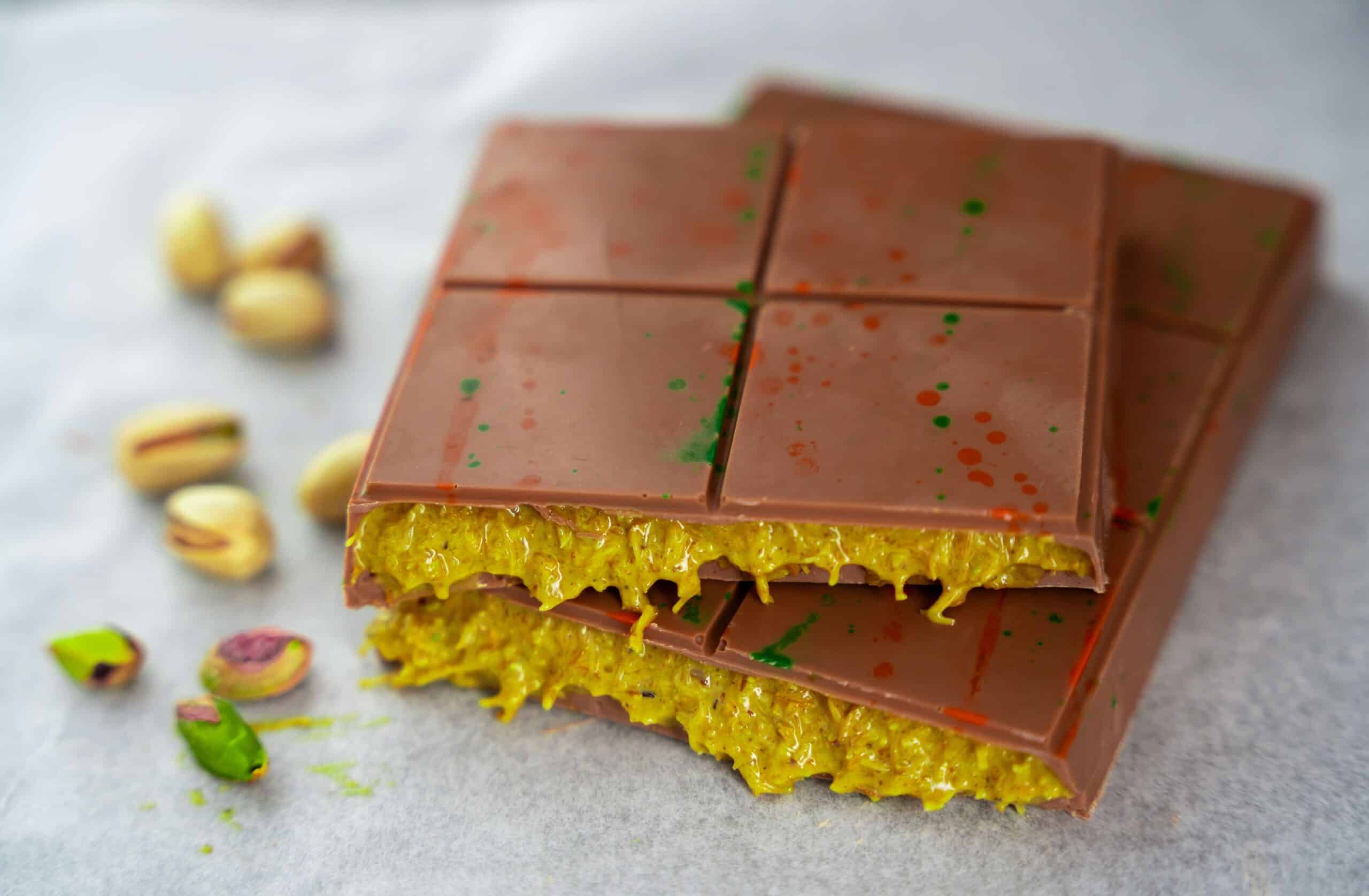
Wonnda is where brands find private label dubai chocolate manufacturers. This confectionery product is typically a filled bar, requiring expertise in managing a delicate pistachio cream and crispy kataifi filling within a chocolate shell. Key sourcing considerations revolve around the quality and origin of pistachios, ensuring the kataifi maintains its desired texture, and the manufacturer's capability in sophisticated enrobing or molding processes. Production requires careful moisture control to prevent the kataifi from becoming soggy, maintaining the distinctive textural contrast that defines this popular treat.
- Vetted suppliers
- 25,000+
- Brands & buyers
- 23,000+
- EU-made
- 80%
5+ Top private label dubai chocolate manufacturers
Wonnda works with the best private label dubai chocolate manufacturers. Here is a list of trusted suppliers from our network.
 Private LabelContract Manufacturing
Europe-based manufacturer producing hand-painted truffles, filled chocolate bars, solid chocolate bars, available to brands sourcing dubai chocolate.
- Country
- -
- MOQ
- Lead time
 Private LabelContract Manufacturing
Europe-based manufacturer producing soft serve ice cream mix, frozen yogurt mix, gelato mix, available to brands sourcing dubai chocolate.
- Country
- -
- MOQ
- Lead time
 Private LabelContract Manufacturing
Europe-based manufacturer producing 65% single-origin dark chocolate (india), dark chocolate with dates and fennel, dark chocolate with rose, available to brands sourcing dubai chocolate.
- Country
- -
- MOQ
- Lead time
 Private LabelContract Manufacturing
Europe-based manufacturer producing milk chocolate, dark chocolate, almond chocolate, available to brands sourcing dubai chocolate.
- Country
- -
- MOQ
- Lead time
 Private LabelContract Manufacturing
Europe-based manufacturer producing kunafa bars, gift boxes, sugar-free chocolates, available to brands sourcing dubai chocolate.
- Country
- -
- MOQ
- Lead time
Compare MOQs and lead times
Quick side-by-side of the shortlist. Missing values shown as a dash.
| Supplier | Location | Types | MOQ | Lead time |
|---|---|---|---|---|
| Zokolat | - | PL · CM | ||
| FunFoods | - | PL · CM | ||
| Mirzam | - | PL · CM | ||
| Olmec Sweet | - | PL · CM | ||
| Lee Chocolate | - | PL · CM |
Buyer criteria
- Real pistachio content and sourcing
Pistachio is the named ingredient and the dominant cost, so confirm the real pistachio percentage in the cream and where it is sourced, since supply is constrained and volatile. Ask for the specification and how they secure pistachio when prices spike. A bar light on real pistachio, padded with cheaper nuts or flavoring, fails on the very ingredient the product is built around.
- Kataifi crispness through shelf life
The crispy kataifi is the signature texture, so confirm how the manufacturer toasts and protects it against the moisture of the cream filling so it stays crunchy. Request aged samples to taste. Kataifi that goes soft within weeks is the defining defect of a poorly made Dubai chocolate, so crispness over shelf life is a core qualification, not a detail.
- Chocolate tempering and bloom resistance
The shell must have snap, gloss, and resistance to bloom, which depends on proper tempering and couverture quality. Ask about the couverture grade and how tempering is controlled, and inspect samples for gloss and a clean snap. A dull, soft, or bloomed shell makes a premium bar look defective and undermines the indulgent positioning the format depends on.
- Filled-bar production capability
Filled bars are more demanding than plain ones, so confirm the manufacturer genuinely runs molded or enrobed filled chocolate at quality, with consistent fill ratio and no leakage. Ask to see existing filled-bar work. A co-packer used only to solid bars or simple products may struggle with the fill control and sealing a quality Dubai chocolate requires.
- Allergen labeling and temperature handling
The product combines nuts, milk, and gluten from the kataifi, so confirm complete allergen labeling and cross-contact control. Also confirm temperature-controlled storage and dispatch, since chocolate blooms and kataifi softens with heat. Ask how they hold temperature through dispatch, because a bar that arrives bloomed or with soft filling fails before the customer even tastes it.
Red flags
- Thin pistachio content behind the name
If the pistachio cream is mostly cheaper nuts, oils, or flavoring with little real pistachio, the product fails on its defining ingredient while trading on the Dubai chocolate name. Ask for the real pistachio percentage and the specification. A manufacturer evasive about pistachio content is usually diluting the one component customers are paying a premium to get.
- Kataifi that goes soft fast
If aged samples show the kataifi has lost its crunch and gone soft against the cream, the manufacturer has not solved the central technical problem of the format. Refusal to provide aged samples usually means the filling does not hold up, leaving customers with a uniformly soft bar that misses the crispy texture that defines the product.
- Dull or bloomed chocolate shell
A shell that looks dull, lacks a clean snap, or shows grey bloom signals poor tempering or couverture quality. Bloom makes a premium bar look spoiled and is a common defect when chocolate is mishandled or stored warm. A co-packer whose samples bloom cannot deliver the premium finish the gifting-style positioning requires.
- No temperature-controlled handling
Chocolate is heat-sensitive and the kataifi softens with warmth, so a manufacturer that cannot demonstrate temperature-controlled storage and dispatch will ship bars that arrive bloomed or with soft filling, especially in warm months. Casual temperature handling is disqualifying for a premium filled chocolate that depends on appearance and texture at the moment the customer opens it.
Manufacturing process
- 01
Pistachio and kataifi sourcing
Real pistachio for the cream and shredded kataifi pastry are sourced to a specification, since pistachio content and quality define the product and are the dominant cost. Pistachio supply is constrained and price-volatile, so reliable sourcing is set up first. Kataifi is selected for the right shred and toasting behavior.
- 02
Filling preparation
The pistachio cream is made to the target pistachio percentage and texture, and the kataifi is toasted to develop flavor and crunch before being combined, sometimes with tahini. The key control is protecting the toasted kataifi's crispness against the moisture of the cream, which determines whether the filling stays crunchy through shelf life.
- 03
Chocolate tempering
The couverture, milk, dark, or colored, is tempered to the correct crystal structure so the finished shell has snap, gloss, and stability against bloom. Tempering is the core chocolate skill: poorly tempered chocolate looks dull, melts too easily, and develops a grey bloom that makes a premium bar look defective on shelf.
- 04
Molding or enrobing
The bar is formed either by molding, lining a mold with tempered chocolate, adding the pistachio-kataifi filling, and sealing with a chocolate back, or by enrobing a filling core. Molding gives the thick-shelled, decorated look common to the format. Fill ratio is controlled so each bar carries the intended filling-to-chocolate balance.
- 05
Cooling and demolding
Bars are cooled under controlled conditions to set the chocolate fully and release cleanly from the mold with good gloss. Cooling rate affects appearance and snap. The set bars are inspected for shell integrity, decoration, and any filling leakage before they move to packing.
- 06
Packing and temperature-controlled storage
Bars are wrapped and packed for a premium presentation, lot-coded with allergen labeling covering nuts, milk, and gluten from the kataifi, and held in temperature-controlled storage. Chocolate is heat-sensitive, so storage and dispatch hold a stable temperature to prevent bloom and to keep the kataifi crisp to the shelf.
Understanding dubai chocolate private-label manufacturing
Product Overview
Dubai chocolate is a filled chocolate bar with a pistachio cream and crispy kataifi (shredded filo pastry) filling, enrobed in or molded with chocolate. This format has evolved from a regional specialty to a mainstream confectionery line now sought for private label.
For brands, this product is a molded or enrobed filled bar with a technically demanding filling. Sourcing decisions hinge on a manufacturer's ability to source quality pistachio and kataifi, maintain kataifi crispness within a moist filling, and execute filled-bar production with consistent quality. This requires more involved capabilities than producing a plain chocolate bar.
Formulation and Technical Challenges
The primary decision involves the filling specification and chocolate. The signature is a pistachio cream, where the percentage and quality of real pistachio dictate cost and credibility. This is blended with toasted kataifi for crunch, and sometimes tahini.
The chocolate shell can be milk, dark, or a colored or decorated couverture. Its quality and tempering define snap, gloss, and shelf stability. The critical technical challenge is the kataifi: it must be toasted and protected to remain crispy against the moisture of the cream filling, preventing it from softening, which is a common defect.
Manufacturing and Sourcing
Dubai chocolate contract manufacturing utilizes filled-bar and praline chocolate specialists. Capable producers are found across Europe, particularly in:
- Germany
- Belgium
- Italy
- Eastern Europe
Middle Eastern producers are also available. Chocolate work necessitates temperature-controlled production and storage.
MOQs for a custom filled bar typically begin in the low to mid-thousands of units, increasing for bespoke molds or decorated shells. Lead times range from 6 to 14 weeks, extended when pistachio supply is tight, as real pistachio is a constrained and price-volatile ingredient.
Cost Drivers and Quality Considerations
Cost is primarily driven by:
- Pistachio (expensive, with volatile price and availability)
- Chocolate couverture grade
- Kataifi and other filling components
- Molding or enrobing and decoration
- Packaging suited for a premium, gifting-style bar
Pistachio cost fundamentally defines this product economically. The temptation to dilute with cheaper nuts or flavoring presents a central integrity question; a Dubai chocolate lacking real pistachio fails on the ingredient for which it is named.
Private label buyers include D2C confectionery and gifting brands, specialty and premium grocery, and retailers. The market rewards high real-pistachio content, a crispy filling with good shelf life, and a premium finish. Qualifying a manufacturer on pistachio sourcing and content, kataifi crispness, filled-bar quality, and temperature-controlled handling is more important than the headline price. A bar with soft kataifi, diluted pistachio flavor, or bloomed chocolate fails to meet the indulgent expectations this format creates.
Frequently asked questions
What actually goes into a Dubai chocolate bar?+
How is the kataifi kept crispy inside the filling?+
Why is pistachio such a big cost and supply factor?+
What MOQ and lead time should I expect for a custom Dubai chocolate?+
What allergens and labeling apply to Dubai chocolate?+
How do I keep the chocolate from blooming on the shelf?+
Get a vetted shortlist of dubai chocolate suppliers in 48 hours.
Post a brief on Wonnda. Free, no commitment. We match you with vetted manufacturers that fit your MOQ, format and market.