
Best private label coconut oil manufacturers
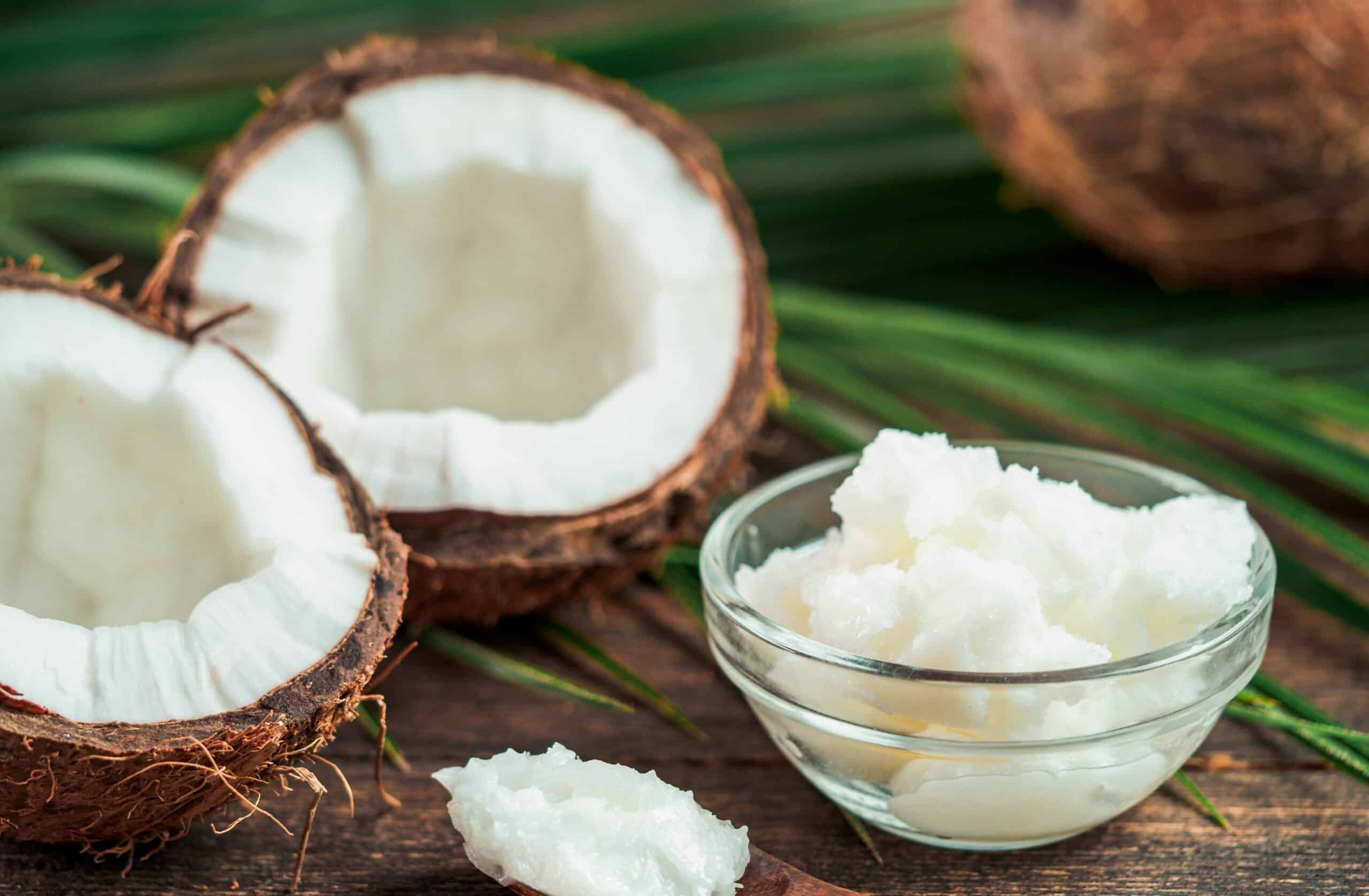
Wonnda is where brands find coconut oil manufacturers. Sourcing decisions hinge on whether virgin, RBD, or fractionated MCT oil is required, each serving distinct purposes in food and cosmetics. Virgin coconut oil retains its characteristic aroma and is cold-extracted, whereas RBD oil, derived from copra, is neutral and processed. Fractionated coconut oil, or MCT, remains liquid at room temperature and functions as a stable carrier. Certifications such as organic and food-grade are critical considerations, influencing material forks and regulatory compliance.
- Vetted suppliers
- 20,000+
- Brands & buyers
- 25,000+
- EU-made
- 80%
5+ Top coconut oil manufacturers
Wonnda works with the best coconut oil manufacturers. Here is a list of trusted suppliers from our network.
 Private LabelContract Manufacturing
Europe-based manufacturer producing dissolvable laundry sheets, fluf lunch bags, stasher silicone bags, available to brands sourcing coconut oil.
- Country
- -
- MOQ
- Lead time
 Private LabelContract Manufacturing
Europe-based manufacturer producing virgin coconut oil, desiccated coconut, coconut chips, available to brands sourcing coconut oil.
- Country
- -
- MOQ
- Lead time
 Private LabelContract Manufacturing
Europe-based manufacturer producing plant-based omega oils, marine-based omega oils, plant-based proteins, available to brands sourcing coconut oil.
- Country
- -
- MOQ
- Lead time
 Private LabelContract Manufacturing
Europe-based manufacturer producing organic superfood powders, organic superfood capsules, conventional superfood powders, available to brands sourcing coconut oil.
- Country
- -
- MOQ
- Lead time
 Private LabelContract Manufacturing
Europe-based manufacturer producing organic extra virgin coconut oil, organic desiccated coconut, organic creamed coconut, available to brands sourcing coconut oil.
- Country
- -
- MOQ
- Lead time
Compare MOQs and lead times
Quick side-by-side of the shortlist. Missing values shown as a dash.
| Supplier | Location | Types | MOQ | Lead time |
|---|---|---|---|---|
| EcoWarehouse | - | PL · CM | ||
| Lihini Nature | - | PL · CM | ||
| Bioriginal | - | PL · CM | ||
| Impact Foods | - | PL · CM | ||
| CEIAL | - | PL · CM |
Buyer criteria
- Correct form for the application
Confirm whether you need virgin, RBD or fractionated MCT, since they differ in scent, performance and cost and are not interchangeable. Virgin suits clean-label food and natural cosmetics, RBD suits neutral cost-driven formulations and soap, MCT suits liquid carriers. Matching the form to the use is the first and most important sourcing decision.
- Virgin authenticity verification
Virgin coconut oil commands a premium that invites blending with cheaper RBD, so for a virgin claim require authenticity verification and the sensory and analytical profile expected of genuine virgin oil. Without this you cannot confirm you are paying for what you receive, which matters for both performance and the integrity of a clean-label or virgin claim.
- Food grade and safety documentation
For ingestible uses, confirm food-grade status with microbiological and contaminant testing and the relevant food-safety documentation. Coconut oil is widely consumed, so the paperwork must support ingestion. Verify the grade suits your application, since cosmetic-only material lacks the documentation an edible product requires.
- Free fatty acid and moisture levels
Check free fatty acid and moisture content on the certificate of analysis, since these affect stability, shelf life and quality. Elevated levels indicate poor processing or storage. Fresh, well-processed oil with low free fatty acids performs better and lasts longer in both food and cosmetic formulations.
- Organic and origin documentation
If you market organic or a specific origin, confirm certification and origin are documented through the chain. Organic coconut oil carries a premium and the certification must be traceable for your product's claim. Request the certificate covering your lot or supplier rather than accepting an unsupported assertion.
Red flags
- Virgin and RBD treated as interchangeable
A supplier blurring the line between virgin and RBD has not understood that they differ fundamentally in scent, processing and price. This vagueness risks you receiving neutral RBD when you expected aromatic virgin, or paying virgin prices for refined oil, so clarity on form is essential before ordering.
- Virgin claim without authenticity proof
A premium virgin claim with no authenticity verification or characteristic profile is unsupportable given the incentive to blend cheaper RBD into virgin oil. If the supplier cannot evidence genuine virgin oil, treat the claim and the premium price as unjustified.
- No food-safety paperwork for edible use
Supplying coconut oil for food or supplement use without microbiological and food-safety documentation is a compliance and safety gap. An edible application needs the supporting paperwork, so a supplier unable to provide it for ingestible material should not be used for that purpose.
- High free fatty acids or moisture
Elevated free fatty acid or moisture levels indicate poorly processed or stored oil that will be less stable and shorter-lived. Accepting such material shortens your formulation's shelf life, so poor freshness and quality markers are a sign to look elsewhere.
Manufacturing process
- 01
Raw material preparation
For virgin oil, fresh coconut meat is used; for RBD, dried copra is the input. The starting material defines the route and the final character. Fresh meat preserves aroma and supports a virgin claim, while copra is the economical base for refined oil.
- 02
Extraction
Virgin coconut oil is cold-extracted from fresh meat by pressing or centrifuge to retain aroma and natural compounds. Copra-based oil is expeller or solvent extracted at higher yield. The extraction method is the dividing line between premium virgin and commodity refined oil.
- 03
Refining (RBD route)
Crude copra oil is refined, bleached and deodorized to produce a neutral, colorless, odorless RBD oil. Refining removes the coconut character and impurities, yielding a versatile, cost-effective oil for soap, confectionery and formulations that need neutrality, but stripping the natural-positioning appeal.
- 04
Fractionation (MCT route)
Coconut oil can be fractionated to separate the medium-chain triglycerides, producing fractionated coconut oil (MCT) that stays liquid at room temperature and resists oxidation. This is a distinct process yielding a stable liquid carrier used in cosmetics and supplements, different from solid coconut oil.
- 05
Quality analysis
The oil is tested for fatty acid profile, free fatty acid content, moisture, peroxide value and, for virgin, authenticity and sensory character. A certificate of analysis documents these per lot. For food grade, microbiological and safety testing applies, since coconut oil is widely ingested.
- 06
Filling and temperature-aware storage
Oil is filled into drums, IBCs or containers, with handling that accounts for coconut oil solidifying below about 24 degrees C. Storage and shipping temperature affect whether the oil arrives solid or liquid. Lot codes link containers to the analysis for traceability and grade confirmation.
Understanding coconut oil private-label manufacturing
Coconut Oil Forms, Grades, and Applications
Coconut oil is available in three primary forms: virgin, RBD (refined, bleached, deodorized), and fractionated (MCT). Sourcing decisions hinge on these forms, along with organic certification, intended use (food or cosmetic), and origin, with major production hubs in the Philippines, Indonesia, Sri Lanka, and India.
- Virgin Coconut Oil: Cold-extracted from fresh coconut, retaining its characteristic aroma. It commands a premium price and supports clean-label positioning, primarily used in food and natural cosmetics.
- RBD Coconut Oil: Processed from copra into a neutral, colorless, odorless oil. It is a cost-effective option for food and cosmetic manufacturing, ideal for soap, confectionery, and formulations where neutrality is key.
- Fractionated Coconut Oil (MCT): A liquid at room temperature, it is a stable carrier oil, often favored for cosmetic and supplement applications.
Coconut oil is solid below approximately 24 degrees Celsius, impacting handling, filling, and shipping procedures. This may necessitate melting or temperature-controlled transport for bulk quantities.
Cost Drivers and Lead Times
Costs are primarily driven by the oil form and grade, organic status, origin, crop conditions, and volume. Bulk pricing for drums and IBCs is significantly lower than small-pack rates.
As an agricultural commodity, coconut oil prices fluctuate throughout the year due to weather, harvest quality, and freight costs. Organic or single-origin lots typically incur an additional premium.
Lead times generally range from 2 to 8 weeks from stock. Organic varieties or specific origins requiring special import can extend these lead times. First-order minimums from distributors are usually accessible, with better terms available for full drum quantities.
Quality Control and Certifications
Critical checks include ensuring the form and grade match the application. This involves verifying the fatty acid profile, free fatty acid levels, and moisture content.
For virgin coconut oil, authenticity is paramount due to its premium price; blending with cheaper RBD can compromise clean-label claims and product performance. Both sensory and analytical testing are crucial defenses. The distinct aroma of true virgin oil cannot be replicated by refined substitutes, and laboratory analysis confirms sensory observations.
Frequently asked questions
What is the difference between virgin, RBD, and fractionated coconut oil?+
Why does coconut oil go solid, and how does that affect sourcing?+
How do I know I am getting genuine virgin coconut oil?+
Which coconut oil form is best for soap making?+
What MOQ and pricing apply to bulk coconut oil?+
Do I need food-grade coconut oil for a cosmetic product?+
Explore adjacent product types
Get a vetted shortlist of coconut oil suppliers in 48 hours.
Post a brief on Wonnda. Free, no commitment. We match you with vetted manufacturers that fit your MOQ, format and market.