
Best private label beauty accessories manufacturers
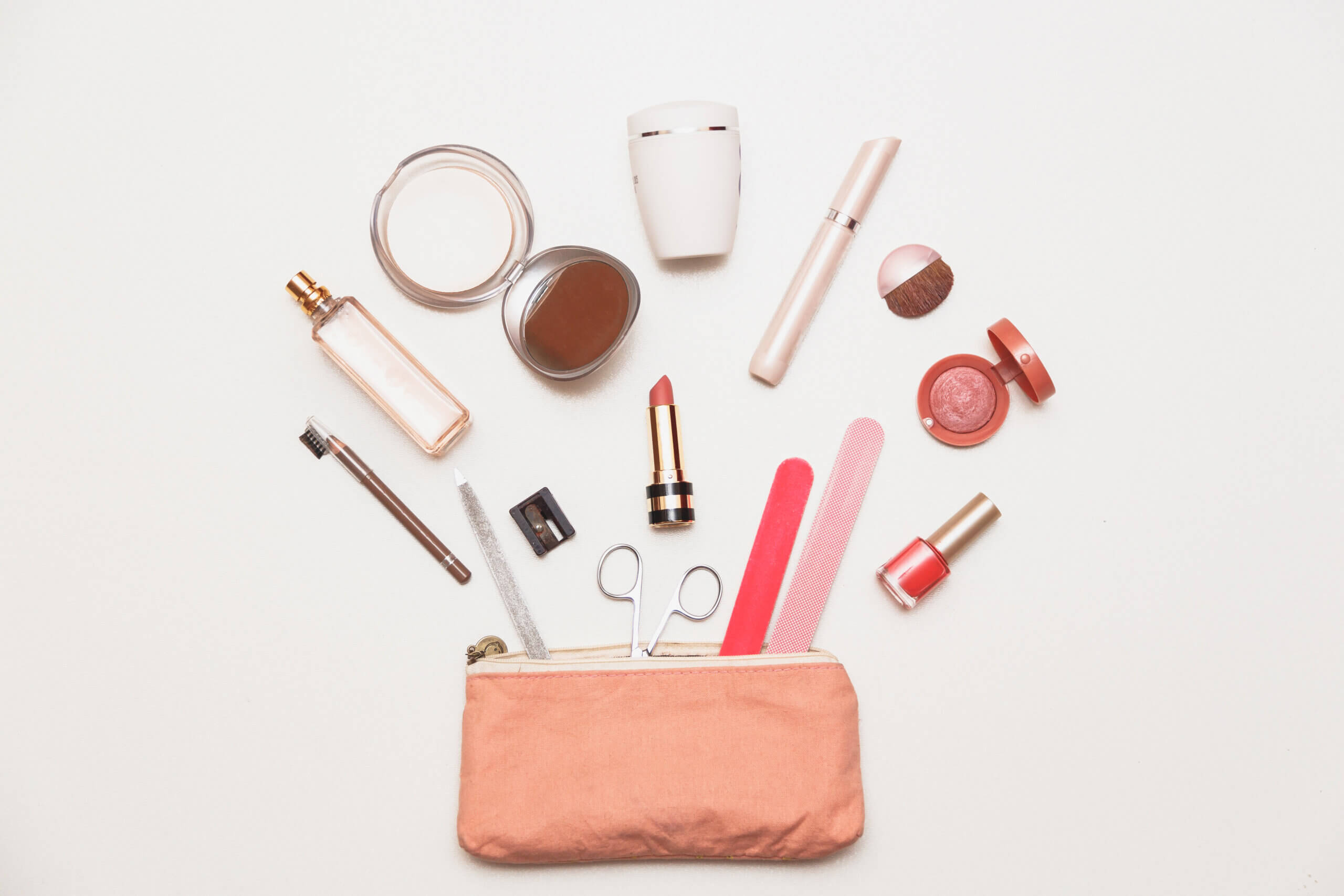
Find vetted private label beauty accessories manufacturers on Wonnda. This category includes a diverse range of items like makeup brushes, sponges, applicators, tweezers, lash tools, facial rollers, and gua sha, as well as headbands, pads, and storage cases. Sourcing considerations focus on materials, construction, and finish, distinguishing it from formulated cosmetic products. Materials such as synthetic or natural bristles for brushes, silicone for applicators, or specific stones for rollers are key variables. Certifications related to material safety and ethical production practices are often relevant.
- Vetted suppliers
- 20,000+
- Brands & buyers
- 25,000+
- EU-made
- 80%
1+ Top private label beauty accessories manufacturers
Wonnda works with the best private label beauty accessories manufacturers. Here is a list of trusted suppliers from our network.
 Private LabelContract Manufacturing
Turkey-based manufacturer producing silver chains, 18k gold jewelry, 14k gold jewelry, available to brands sourcing beauty accessories.
- Country
- Turkey
- MOQ
- Lead time
Compare MOQs and lead times
Quick side-by-side of the shortlist. Missing values shown as a dash.
| Supplier | Location | Types | MOQ | Lead time |
|---|---|---|---|---|
| Bamina Co. | Turkey | PL · CM |
Buyer criteria
- Material authenticity and quality
Confirm materials are what they are claimed to be, genuine stone rather than dyed glass, synthetic taklon rather than mislabelled fibre, quality metal rather than cheap alloy. Ask for material verification and samples. Misrepresented materials are both a quality and a trust problem, and a stone tool that is actually dyed glass or a brush sold as one fibre but made of another exposes your brand.
- Construction durability
Accessories are judged on whether they last, so check ferrule security and shedding on brushes, mounting and crack resistance on rollers, and tip alignment on tweezers. Test the items in use. A brush that sheds fibres, a roller that loosens or cracks, or a tweezer that does not meet at the tip fails the durability test that defines a usable beauty tool.
- Finish consistency
Finish is much of the perceived quality of an accessory, so verify surfaces are smooth, coatings even, edges deburred, and molded parts free of flash across the batch, not just on a hero sample. Inspect production-representative units. Inconsistent finish is immediately visible and tactile, and it is a common gap between a polished sample and a variable production run.
- Tooling terms for custom designs
If you commission a custom handle, case, or shape, clarify the one-time tooling cost, the lead time, and who owns the mold, since that affects whether you can move suppliers. Custom tooling differentiates your accessory but adds cost and time, so weigh it against using an existing design with custom branding for a first run.
- Inspection and supplier qualification
Because these are manufactured goods without a chemical specification, qualify the supplier and arrange inspection on production runs rather than trusting a sample. Ask about their quality process and consider third-party inspection. Quality on accessories varies between sample and bulk more than brands expect, so inspection is the main safeguard against a disappointing production batch.
Red flags
- Misrepresented materials
If a stone tool turns out to be dyed glass or resin, or a brush sold as one fibre is actually another, the material is misrepresented, which is a trust and quality failure. A supplier vague about material authenticity or unwilling to verify it is a serious risk in a category where material is the product.
- Shedding or loose brushes on sample
If a brush sheds fibres or the ferrule is loose on the sample, the construction is inadequate and it will only worsen in use. Shedding is the defining brush defect, so a supplier who ships a shedding sample has not controlled the assembly that makes a brush usable.
- Sample much better than bulk
If the hero sample is noticeably better than production units, the supplier cannot hold finish and construction at volume, which is a common trap in accessory sourcing. A large gap between sample and bulk means you are buying inconsistency, so insist on inspecting production-representative units before shipment.
- No tooling ownership clarity
If a supplier will not clarify who owns a custom mold or the tooling terms, you risk being locked in or charged again for tooling if you move. Opaque tooling terms on a custom accessory signal a partner optimizing for lock-in rather than a fair, transferable relationship.
Manufacturing process
- 01
Item and material selection
Each accessory is specified by material and construction, synthetic or animal fibre for brushes, stone or material for rollers, silicone, plastic, or metal for applicators and tools. Material drives cost, durability, and the quality a user feels. Unlike formula sourcing, this is a manufactured-goods decision about construction, not chemistry.
- 02
Design and tooling
The brand either adopts the manufacturer's existing design with custom branding or commissions a distinctive handle, case, or shape that requires a dedicated mold or tooling. Custom tooling carries a one-time cost and its own lead time. Tooling quality affects the finish and dimensional consistency of molded parts.
- 03
Component production
Components are produced, brush fibres cut and shaped, handles molded or turned, ferrules formed, stone tools cut and polished, silicone or plastic parts molded. Each component is made to its spec before assembly. For molded parts, flash and surface finish are controlled, and for stone, authenticity and polish are checked.
- 04
Assembly
Components are assembled, fibre is set into the ferrule and bound to the handle for brushes, stones are mounted to roller frames, tweezer tips are aligned. Assembly quality determines whether a brush sheds or a roller wobbles. Bonding, crimping, and alignment are the steps where durability is won or lost in a tool.
- 05
Finishing
Items are finished, brushes trimmed and shaped, handles coated or printed, metal tools deburred and polished, silicone deflashed. Finish is much of the perceived quality of an accessory. Surface defects, rough edges, and uneven coating are corrected here because they are immediately visible and tactile to the buyer.
- 06
Quality inspection
Finished items are inspected for the defects specific to each type, fibre shedding and ferrule security for brushes, smoothness and crack resistance for rollers, tip alignment for tweezers, flash for silicone, authenticity for stone. Inspection samples are pulled per batch since these are manufactured goods without a chemical specification.
- 07
Packaging and lot coding
Items are packed individually or curated into sets and kits with their cases, with branding and any material declarations applied. Set packaging can be a major part of the cost and the gift appeal. Lot or batch coding supports traceability back to component production for any quality issue.
Understanding beauty accessories private-label manufacturing
Materials and Construction
Beauty accessories are non-formula tools for beauty and skincare routines, including makeup brushes, sponges, applicators, tweezers, lash tools, facial rollers, gua sha, headbands, pads, and their cases and kits. These items are judged on materials, construction, and finish rather than CPNP notifications or stability tests, aligning their sourcing with consumer-goods and tooling work.
The right partner is a tool and accessory manufacturer, often working with synthetic fiber, plastic, metal, silicone, or stone. A makeup brush is defined by its fiber (synthetic taklon versus animal hair), the ferrule that binds the fiber, and the handle. A facial roller depends on the stone or material and the smoothness of its mounting.
Silicone applicators, metal tweezers, and stone tools each have specific quality markers. These range from flash-free molding for silicone, to tip alignment for tweezers, and ensuring genuine versus imitation stone. Many accessories can be sourced from existing manufacturer designs with custom branding, while distinctive handle or case shapes require their own molds or tooling, impacting cost and lead time.
Manufacturing Locations and Quality Control
Manufacturing is concentrated in China and parts of Asia for brushes, sponges, plastic and metal tools, and silicone applicators, due to the deep existing tooling and assembly base. Some specialist and premium production occurs elsewhere. Careful supplier qualification and inspection are crucial for these manufactured goods, more so than for formula sourcing.
Differentiation in beauty accessories rests on material quality, finish, and the curation of sets. Qualifying a manufacturer on material authenticity, construction durability, and finish consistency is more important than the unit price. A brush that sheds, a roller that squeaks or cracks, or a stone tool that is dyed glass will fail on the tactile quality expected by consumers.
MOQs and Lead Times
Minimum Order Quantities (MOQs) are typically 1,000 to 5,000 units per item for a custom-branded existing design. MOQs are higher when a dedicated mold is required. Lead times for a first run generally range from 6 to 12 weeks, extending further for custom tooling. Tooling, when necessary, often represents the primary barrier for distinctive accessories.
Cost Drivers and Target Buyers
Per-item cost is driven by several factors:
- Material: Animal hair, genuine stone, and quality metal are significantly more expensive than synthetic fiber and plastic.
- Custom tooling: Costs are amortized across the production volume.
- Assembly and finishing labor.
- Packaging: For gift sets and kits, packaging costs can rival the tools themselves.
Private-label beauty-accessory buyers include makeup and skincare brands expanding into tools, Direct-to-Consumer (D2C) beauty brands creating branded kits, subscription and gifting brands, and retailers developing their own ranges.
Frequently asked questions
How is sourcing beauty accessories different from sourcing cosmetics?+
What makes a quality makeup brush?+
Do I need custom tooling for branded accessories?+
What MOQ and lead time apply to private-label beauty accessories?+
How do I verify materials like stone rollers are genuine?+
Why does the gap between sample and bulk matter so much for accessories?+
Get a vetted shortlist of beauty accessories suppliers in 48 hours.
Post a brief on Wonnda. Free, no commitment. We match you with vetted manufacturers that fit your MOQ, format and market.