10+ Best Co-Packer Companies for Your Brand - Find Top Co-Packers


When you're growing a consumer brand, working with a co-packer can be one of the smartest moves you make. A co-packer, or contract packager, is a third-party company that is specialized in packing, assembling, and in some cases even manufacturing your products.
Whether you're in food and beverages, supplements, cosmetics, or personal care, co-packing companies can help you bring your products to market faster, more cost-effectively, and with higher consistency.
In this article, we’ll explore the best co-packer companies for your products and explain what co-packers do, how it works, and some examples of co-packing for brands and retailers.
What is Co-Packing and What is a Co-Packer?
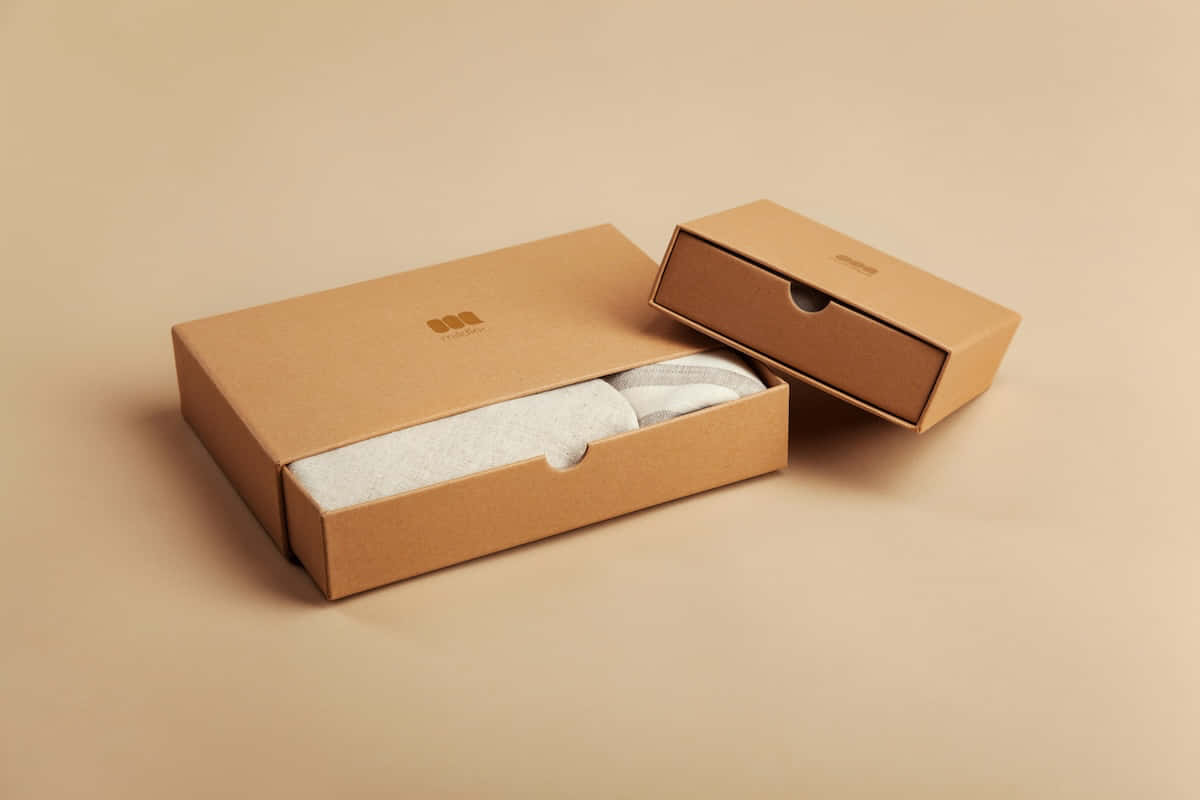
Co-packing, short for contract packaging, is the process in which a third-party company packages and often manufactures products on behalf of a brand. These co-packers handle everything from filling, labeling, and sealing to logistics and compliance, depending on the agreement. Brands provide their own formulas, recipes, or product specifications, while the co-packer brings the production infrastructure, expertise, and certifications. This setup allows brands to scale efficiently, reduce overhead costs, and focus on marketing and distribution without having to invest in their own manufacturing facilities.
The Difference Between Co-Packing and Co-Manufacturing
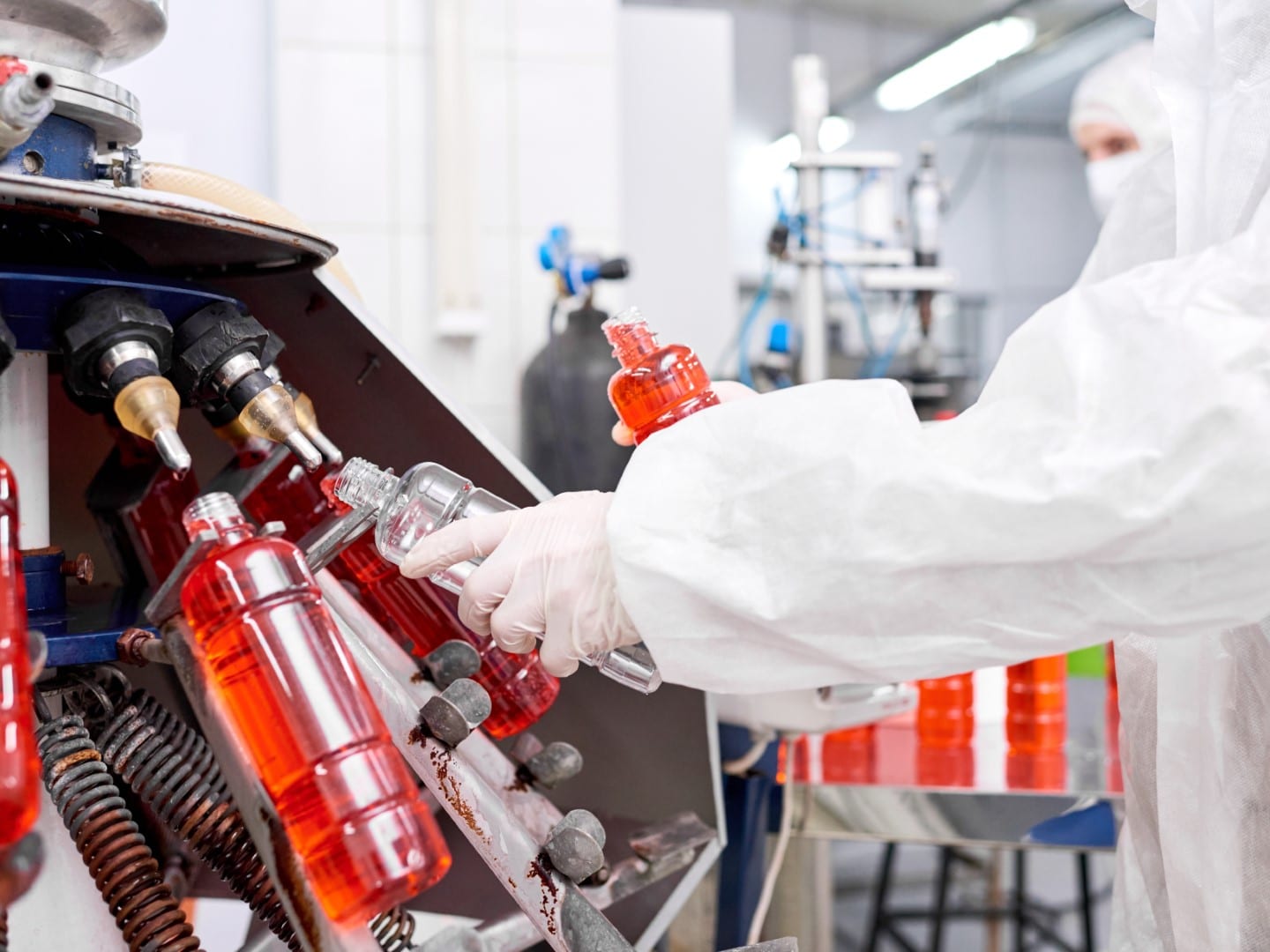
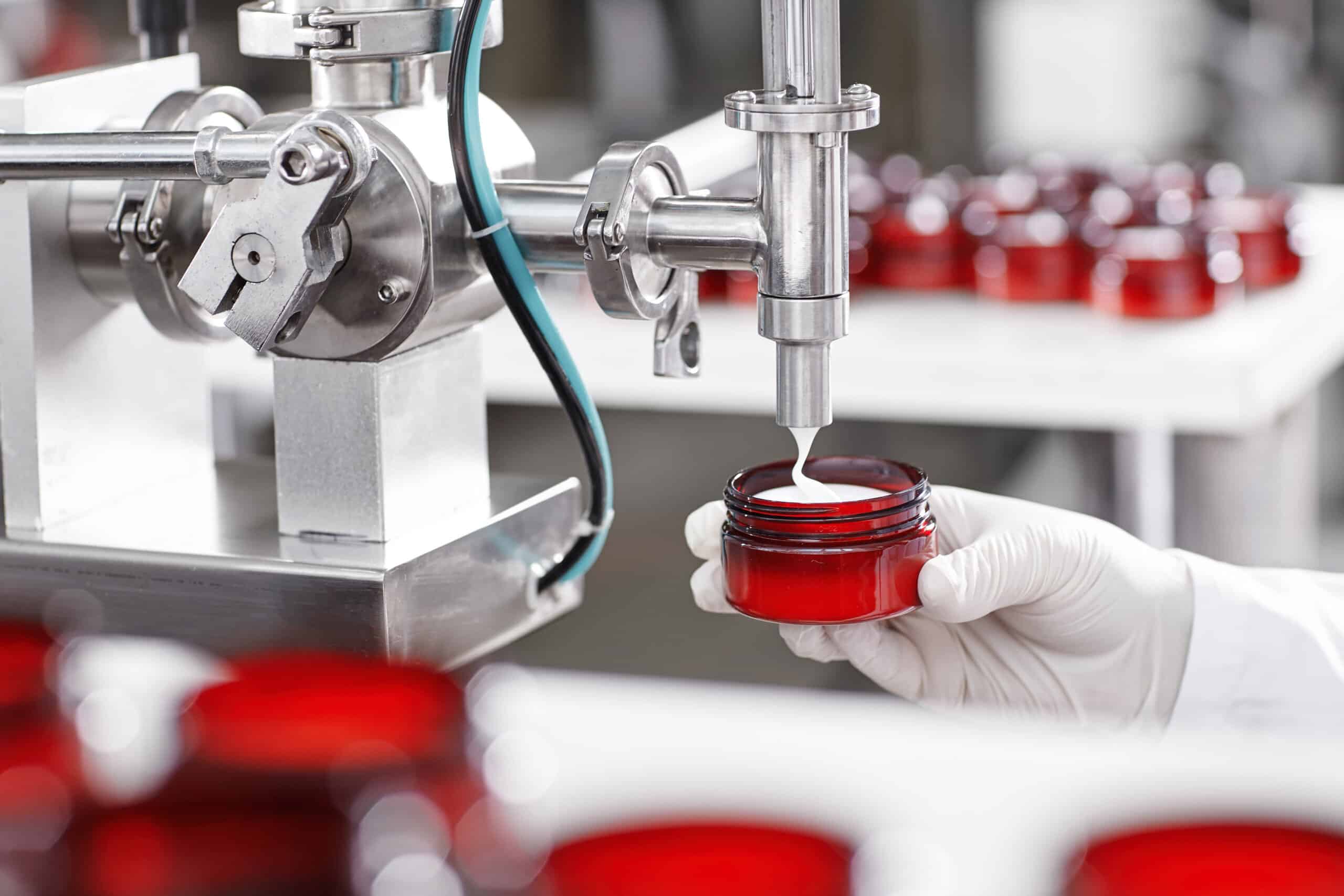
The term co-packing (contract packaging) is often confused with contract manufacturing, but there's a clear distinction:
- A co-packer typically receives finished or bulk products (already manufactured) and focuses on the packaging—filling, sealing, labeling, boxing, and sometimes warehousing. They're not responsible for producing the product itself.
- A contract manufacturer handles the production of the product—formulating, mixing, cooking, or assembling it—often in addition to packaging.
However, many modern companies operate as hybrids, offering both services. That’s why the terminology can get blurred - especially in categories like food, beauty, and supplements.
So yes, in the strict sense, your example is correct: a true co-packer would take bulk granola, loose supplements, or bulk liquid skincare, and then handle the packaging process only.
Co-Packer Examples
Beauty & Personal Care Co-Packing Example
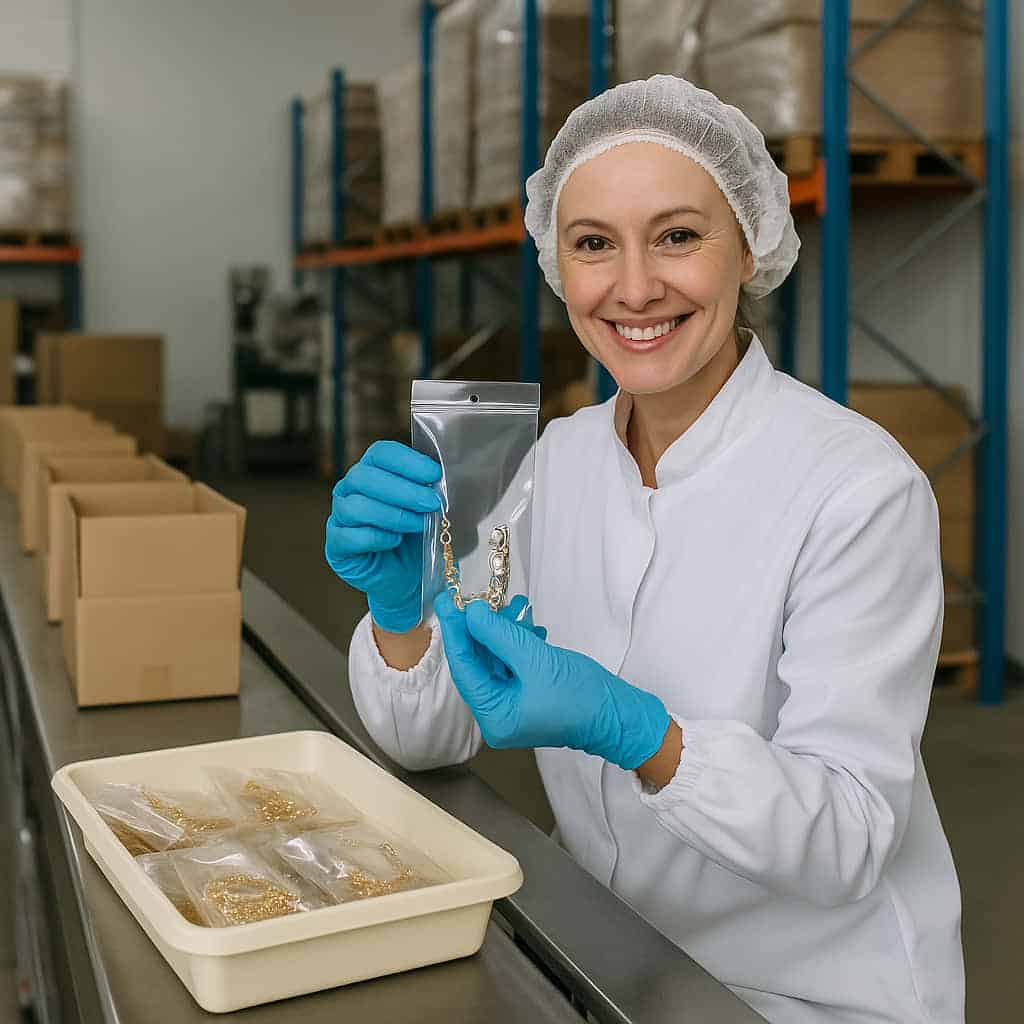
A beauty brand produces a batch of bulk facial oil in its own lab and sends it to a co-packer. The co-packer fills the oil into glass dropper bottles, applies printed labels, and places them into branded cartons—ready for retail.
Food Co-Packing Example
A bakery produces granola in-house and ships it in bulk to a co-packing facility. The co-packer fills the granola into portioned, resealable pouches, seals them, and applies nutrition labels before boxing for wholesale distribution.
Fashion Co-Packing Examples
A clothing brand sources finished garments from a clothing manufacturer. A co-packer receives the folded apparel, attaches hang tags, slips them into branded polybags, and packs them into cartons sorted by SKU for shipment to retailers.
Supplements Co-Packing Examples
A supplement brand orders bulk vitamin tablets from a private label supplements manufacturer. The co-packer receives the tablets from the contract manufacturer and the bottles from a packaging supplier, adds safety seals, applies the brand’s labels, and shrink-wraps the final units for Amazon fulfillment.
Why Working with Co-Packing Companies Matters
Co-packing companies ensure quality, safety, and efficiency.
Especially in industries like food, beverages, and health products, compliance with strict safety standards and regulations is non-negotiable. Verified co-packers help maintain your brand's integrity by ensuring your product is manufactured under certified conditions, GMP certifications, and more.
Beyond compliance, verified co-packers provide peace of mind. They often have established systems for production, inventory, packaging, and logistics. This means fewer production hiccups, fewer delays, and fewer quality issues. For startup brands, this can make the difference between a successful product launch and a failed one.
How to Choose the Right Co-Packer or Co-Packing Company
Finding the right co-packer is not just about capabilities – it’s about finding a long-term partner. Here's what to consider:
Product specialization
Choose a co-packer that specializes in your product category, whether that’s beverages, powders, supplements, or skincare.
Certifications
Make sure they meet the relevant industry certifications such as FDA, HACCP, BRC, USDA Organic, or Non-GMO Project Verified.
Minimum order quantities (MOQs)
Understand their production requirements – some co-packers work well with startups, others only with large-scale brands.
Production capacity
Ensure their capabilities align with your growth goals. Can they scale with your brand?
Service offerings
Some co-packers offer turnkey services, including formulation, sourcing, and labeling. Others only handle packaging.
Location
Proximity to your supply chain or customer base can affect logistics and costs.
Reputation and references
Check for testimonials, reviews, or ask for referrals to assess the co-packer’s reliability and professionalism.
10+ Best Co-Packers for Your Business
Whisk Food (The Hague, Netherlands)
Product category: Supplements
is a Dutch-based, full-service private label supplement manufacturer and co-packer headquartered in The Hague, Netherlands. Whisk provides full-scope co-manufacturing and co-packing services for supplements including filling, label application, global distribution setup and more. Ideal for retailer brands that are searching for suitable private label supplements manufacturers or supplements co-packers in Europe. No matter if you start with finished bulk supplements searching for professional packaging and logistics solutions, or require and end-to-end co-manufacturing partner.
Website: whiskfood.com
Budelpack (Poortvliet, Netherlands)
Product category:
Food (solid, powder, liquid, pet food)
Specializes in flexible pouch, jar, stick-pack and sachet filling. Offers innovative formats including 3D food printing and on‑demand packaging software systems. Accommodates both large and small batch sizes across Europe.
Webiste: budelpack.com
MPH Co‑Packing (Nieuwkuijk, Netherlands)
Product category: Food & non-food (jars, blister, flowpack, doypack)
Dutch packaging specialist handling third-party bulk products through blister packs, cartons, doypacks, transwrap, flowpacks, and pot filling for diverse categories including confectionery and sauces.
Website: mphcopacking.com
Diepvries Urk (Urk, Netherlands)
Product category: Frozen seafood
Certified IFS/BRC co‑packer offering receiving, glazing, freezing, repackaging, labeling, pallet boxing, and storage of frozen bulk seafood for European distribution.
Website diepvriesurk.nl
Caparis FoodPack (Netherlands)
Product category: Food (bulk to pack)
Food-grade co-packer focused on solid and dry products, offering filling and packing services with compliance to EU food safety regulations.
Website: ecpacopacking.com
IPS (Wakefield, UK)
Product category: CPG (multiple)
National co‑packer with full packaging, labeling, and distribution services across consumer goods sectors—aligned with EU standards via Culina Group resources.
MM Packaging (Vienna, Austria)
Product category: Pharma & personal care
Provides both manual and automated packaging services for third-party brands in pharma, beauty, and wellness—ideal for brands outsourcing final packaging only.
Rauch (Rankweil, Austria)
Product category: Beverages
High-volume beverage packer and bottler handling contract bottling and packaging of bulk liquid products for private-label and branded beverages across Europe.
Tetra Pak (Lund, Sweden & Europe)
Product category: Dairy, juice, liquid food
Offers filling-in-services using aseptic and non-aseptic systems. Ideal for brands needing pouch/carton line packaging without setting up their own facility.
Constantia Flexibles (Vienna, Austria)
Product category: Flexible packaging (food, pet, pharma)
Specialist in third-party pouch and film packaging services, supporting brands with sustainable Ecolutions options and EU packaging formats.
2 Sisters Food Group (UK, Netherlands, Poland)
Product category: Frozen & chilled food
Co‑packer for poultry, bakery, biscuits and other cold-chain goods—handling repacking, labeling, slicing, bagging, polybagging, and retail-ready carton packing.
MyDrink Beverages (Lithuania, UK, Denmark)
Product category: Beverages
Co‑packer offering bottle/pouch filling, labeling, and packaging for liquid products, focusing on independent brands needing turnkey packaging after formulations are complete.
Frosta AG (Germany, multiple EU)
Product category: Frozen meals & vegetables
Through its COPACK division, provides packaging-only services for frozen bulk food items—wrapping, cardboard packaging, palletizing.
Trends in Co-Packing
The co-packing industry is evolving quickly, with several trends shaping the future:
Automation and robotics
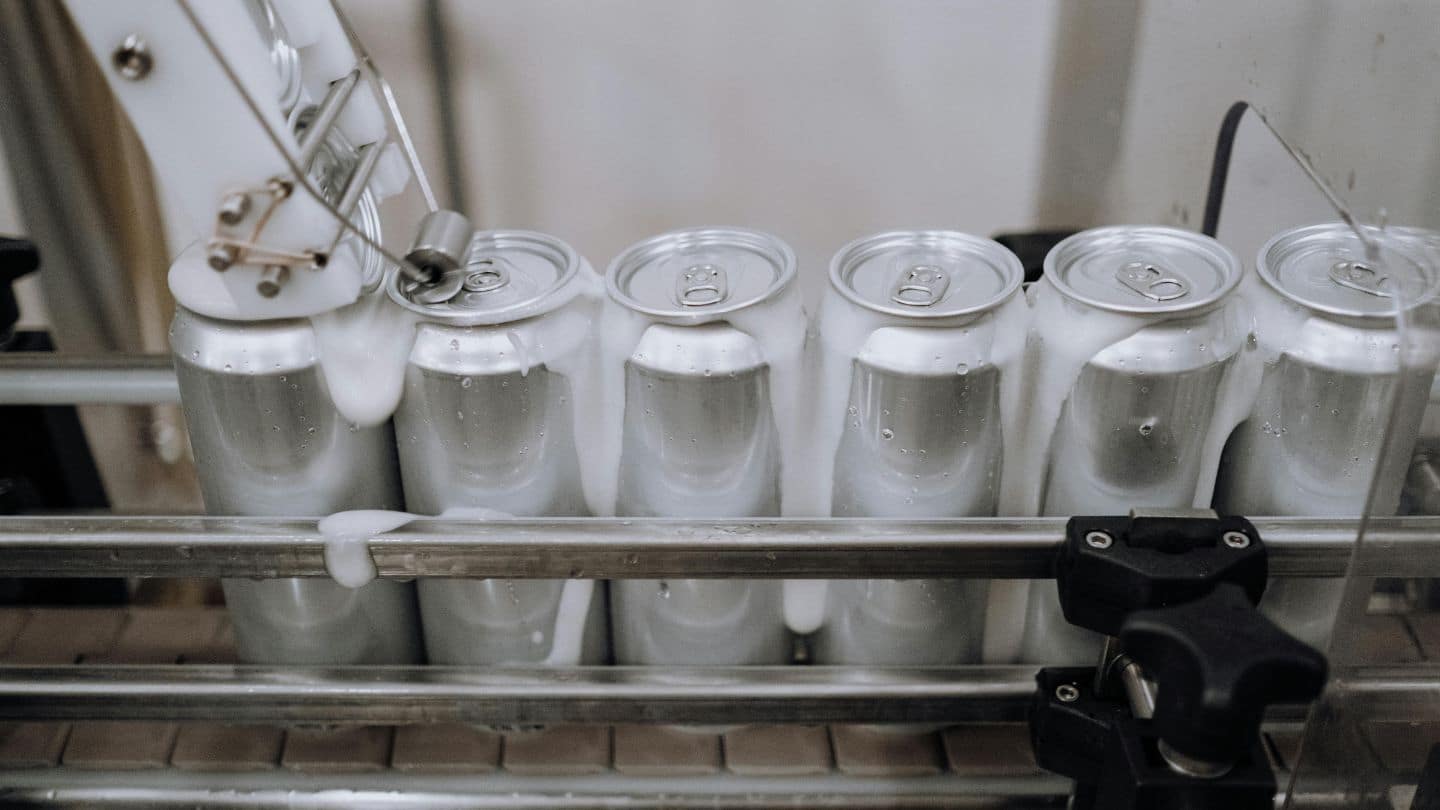
More co-packers are integrating automated machinery for improved speed and precision.
Eco-friendly packaging
Sustainability is a priority. Co-packers now offer compostable, recyclable, or minimal-waste packaging.
DTC fulfillment
Co-packers are adding services like warehousing and direct-to-consumer shipping to support online brands.
Smaller MOQs
Flexible manufacturers are now offering low minimums to support indie and micro brands.
Integrated logistics
Brands and co-packers are syncing up their systems for better forecasting, traceability, and performance tracking.
How to Onboard a Co-Packer Successfully
Once you’ve selected a co-packer, you’ll need to go through an onboarding process to align on expectations, timelines, and product quality. Here’s a step-by-step guide:
Step 1: Define your product
Prepare a detailed brief that includes your product specifications, packaging preferences, volume expectations, and any regulatory requirements.
Step 2: Vet the co-packer
Ask for facility audits, certifications, and references. Request samples or trial batches.
Step 3: Clarify terms
Get a written agreement that outlines MOQs, pricing, timelines, liability, and IP protection.
Step 4: Run a pilot batch
Before scaling up, produce a small run to identify issues with packaging, quality, or delivery.
Step 5: Establish SOPs
Work with the co-packer to set quality control checkpoints, production protocols, and communication processes.
Common Questions About Co-Packing
What is a co-packer?
A co-packer is a third-party partner who assembles and packs your products. In some cases, a co-packer also manufactures (parts of) your products.
How much does a co-packer cost?
Costs vary based on complexity, volume, and packaging format. Some charge per unit, others by run size.
Can small brands work with co-packers?
Yes. Many co-packers offer low minimums or startup-friendly programs designed for emerging brands.
Do co-packers help with formulation?
Some offer R&D services, but many require you to provide your own formula or product specifications.
How long does it take to onboard a co-packer?
Depending on the product and complexity, onboarding can take anywhere from a few weeks to several months.
Conclusion
Working with a verified co-packer can unlock major advantages for your brand. From lowering production costs to improving quality control and scaling operations, a trusted co-packing partner helps you focus on what really matters: growing your business.
Whether you’re launching a new product or scaling an existing line, the right co-packer makes all the difference. With so many options available, it’s important to choose a partner that understands your product category, meets regulatory standards, and can grow with you.
At Wonnda, we make this process simple. Our platform helps brands like yours connect with verified co-packing companies, best private label manufacturers, contract manufacturers and packaging suppliers across categories, geographies, and production formats. From supplements to snacks, personal care to pet food – we have the co-packing partner for your brand.
Related articles
Best Clothing Manufacturers in Europe - 2026 Guide by Wonnda
10+ Best Beauty Manufacturers in the US (2026 List)

How to Find a Manufacturer for Your Product (2026 Guide)
European Suppliers: How to find the best EU suppliers in 2026

10 Best European Sourcing Agencies To Find Suppliers & Launch Your Product
How to Start a Premium Private Label Cookware Brand: The Complete Guide
5+ Best Private Label Nonstick Cookware Manufacturers
5+ Best Private Label Cookware Manufacturers in the USA (2026)