
Best private label vitamin spray manufacturers
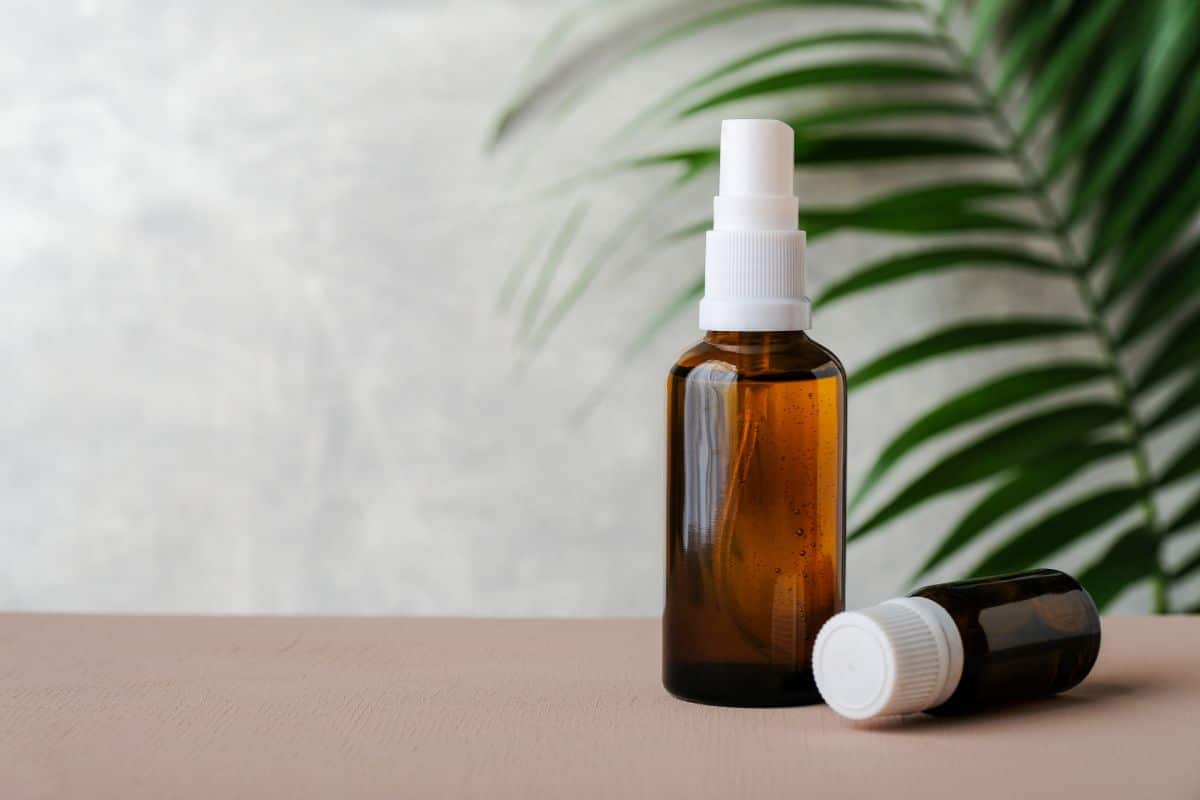
Shortlist private label vitamin spray suppliers on Wonnda. Sourcing involves both the liquid formulation and the delivery device, focusing on nutrient blends like D3, B12, or multivitamins presented in a flavored liquid. Key considerations include the stability of the liquid, the palatability of the flavor, and the consistent spray volume delivered by the pump. The interaction between the formulation chemistry and the device determines product effectiveness and user experience, with typical lead times varying based on custom formulation and component availability.
- Vetted suppliers
- 20,000+
- Brands & buyers
- 25,000+
- EU-made
- 80%
4+ Top private label vitamin spray manufacturers
Wonnda works with the best private label vitamin spray manufacturers. Here is a list of trusted suppliers from our network.
- Featured
NorVita
4.7Private LabelContract ManufacturingEstonia-based manufacturer producing vitamin d3 spray, vitamin d3 baby spray, beauty collagen gel, available to brands sourcing vitamin spray.
- Country
- Estonia
- MOQ
- Lead time
- Featured
BF-ESSE LTD.
4.7Private LabelContract ManufacturingLatvia-based manufacturer producing capsules, tablets, sachets and powder fills, available to brands sourcing vitamin spray.
- Country
- Latvia
- MOQ
- Lead time
- Featured
 Private LabelContract Manufacturing
Netherlands-based manufacturer producing collagen-based dietary supplements, immunity booster formulations, amino acid formulations, available to brands sourcing vitamin spray.
- Country
- Netherlands
- MOQ
- Lead time
- Featured
Pure Flavour
4.7Private LabelContract ManufacturingGermany-based manufacturer producing flavourings, extracts, liquid vitamins, available to brands sourcing vitamin spray.
- Country
- Germany
- MOQ
- Lead time
Compare MOQs and lead times
Quick side-by-side of the shortlist. Missing values shown as a dash.
| Supplier | Location | Types | MOQ | Lead time |
|---|---|---|---|---|
| NorVita | Estonia | PL · CM | ||
| BF-ESSE LTD. | Latvia | PL · CM | ||
| Vitalforce Labs | Netherlands | PL · CM | ||
| Pure Flavour | Germany | PL · CM |
Buyer criteria
- Liquid stability data for the formula
Liquid vitamins degrade faster than dry formats, so require stability data specific to your formula supporting the shelf life and the overage used. Ask how the manufacturer proves D3 or B12 potency holds in the bottle to expiry. A spray that loses potency in solution will fail label-claim testing partway through its life and generate underdosing complaints.
- Dose-per-actuation consistency
The whole dose claim rests on each spray delivering the same volume. Confirm the pump is matched to the liquid viscosity and that actuation volume is validated. Ask for the variance across sprays and across the bottle as it empties. A pump that drips or varies in output means consumers get an unknown dose each time, undermining the product's core premise.
- Solubilization of fat-soluble vitamins
D3 and K2 must be genuinely solubilized into the carrier and stay in solution. Confirm the manufacturer has a proven approach and that the liquid does not separate or cloud over time. Ask to see a sample stored for a period. Poor solubilization leaves the active settling out, so later sprays deliver a different dose than early ones.
- Oral flavor and mouthfeel capability
Because the liquid is held in the mouth, taste is unavoidable and decisive. Evaluate the manufacturer's ability to mask B-vitamin metallic notes and carrier off-tastes, and test production-representative samples yourself by spraying them. A clinically sound spray that tastes unpleasant in the mouth will not be reordered, so flavor capability is a core qualification.
- Pump quality and clean spraying
The actuator is a real quality variable. Confirm the pump sprays a fine, even mist without dripping or clogging, and that it primes reliably. Ask which pump supplier and grade is used. A cheap actuator that streams, drips, or jams turns a premium-positioned convenience product into a daily frustration and a stream of returns.
Red flags
- No stability data for the liquid
A manufacturer assigning a shelf life to a vitamin spray without formula-specific stability data is guessing. Liquid actives, especially fat-soluble ones, degrade unpredictably without the right base and overage. Refuse a partner that cannot show the potency holds to expiry, because the failure surfaces as underdosed product already in the market.
- Unvalidated dose per spray
If the manufacturer cannot state and validate the volume per actuation, your per-spray dose is unknown and your label claim is unsupported. A pump chosen without matching it to viscosity will deliver inconsistent sprays. This breaks the entire premise of a metered spray, so treat an unvalidated actuation as disqualifying.
- Separation or clouding in the bottle
If fat-soluble vitamins settle out or the liquid clouds over time, solubilization has failed and the dose drifts from first spray to last. A sample that separates after storage reveals an unstable formula. A partner that shrugs this off does not have the liquid-formulation capability the format demands.
- Generalist dry-format house with no spray experience
A contract manufacturer built for capsules and powders may quote a spray without the liquid compounding, solubilization, and pump-matching expertise it requires. If they cannot show prior oral-spray products and stability work, the format is outside their competence and your launch carries avoidable formulation risk.
Manufacturing process
- 01
Active form and solubilization design
The brand fixes the vitamins and doses, and the manufacturer selects forms that dissolve into the chosen carrier. Fat-soluble D3 and K2 need solubilizing into a water or oil base while staying stable. The active form and overage are set here so the label dose survives shelf life, since liquid vitamins degrade faster than dry ones.
- 02
Carrier and base formulation
A water-based, oil-based, or alcohol-containing base is formulated to carry the actives, control viscosity for clean spraying, and support stability. Preservation is addressed for water-based systems. The base must hold the actives in solution without separation across the product's life, which is the central liquid-formulation challenge.
- 03
Flavor and oral-experience development
Because the liquid sits in the mouth, flavors and sweeteners are developed to mask the metallic note of B vitamins and any carrier off-taste. The mouthfeel and aftertaste are tuned for a pleasant under-the-tongue experience. This is more critical than in swallowed formats, where taste is bypassed by the shell.
- 04
Batch compounding
Actives, carrier, flavors, and any preservatives are compounded in a liquid mixing vessel to a homogeneous solution. The order of addition and temperature are controlled to keep fat-soluble vitamins solubilized. The batch is checked for clarity, uniformity, and absence of separation before filling.
- 05
Pump and dose-per-actuation validation
The spray pump is matched to the liquid viscosity so each actuation delivers a consistent volume, which defines the dose per spray. The actuation volume is validated and the bottle-and-pump combination tested for clean spraying without dripping. An inconsistent pump breaks the dose claim, so this step is a core quality control point.
- 06
Filling, capping, and sealing
The liquid is filled into bottles by volume, the pump is fitted, and the unit is sealed for tamper evidence. Fill volume is checked continuously so each bottle delivers the labeled number of sprays. Headspace and light protection are managed for light-sensitive actives, since liquid vitamins degrade under light and oxygen.
- 07
Stability testing and labeling
Stability data supports the assigned shelf life for the specific liquid formula, confirming the actives hold their potency. The product is labeled with dose per spray, sprays per bottle, lot code, and expiry. Claims are checked against EFSA rules. Lot codes trace finished bottles back to the compounded batch.
Understanding vitamin spray private-label manufacturing
Product Overview
Vitamin sprays deliver nutrients like vitamin D3, B12, K2, or multivitamin blends as a flavored liquid sprayed under the tongue or into the mouth. They are sold on convenience and the promise of fast oromucosal uptake. For private label brands, a vitamin spray is a liquid-formulation and delivery-device product, presenting a different sourcing challenge compared to capsules or gummies.
Developing a vitamin spray involves ensuring a stable liquid, an acceptable flavor, and a pump that consistently delivers the correct spray volume. The formulation chemistry and the device together determine product efficacy. Flavor is particularly important as the liquid sits in the mouth, making off-notes from B vitamins or carriers immediately noticeable.
Technical Challenges and Sourcing Considerations
The core technical challenge involves solubilizing fat-soluble vitamins (e.g., D3, K2) into a stable water-based or oil-based liquid that sprays cleanly and tastes acceptable. Each pump actuation must deliver a known volume for accurate dosing, requiring a match between the pump and the liquid viscosity. These constraints necessitate manufacturers with genuine liquid-supplement and oral-spray experience.
In Europe, sourcing for liquid vitamin sprays is concentrated among a smaller group of liquid-supplement specialists in countries such as:
- Germany
- The Netherlands
- The UK
- Italy
Many contract manufacturing houses are primarily equipped for dry formats rather than liquid formulations.
MOQs, Lead Times, and Cost Drivers
Minimum Order Quantities (MOQs) for custom vitamin sprays typically range from 3,000 to 10,000 units. These MOQs are primarily driven by minimum liquid batch sizes and tooling requirements for bottles and pumps. Lead times for production are generally between 8 and 14 weeks.
The primary cost drivers for vitamin sprays, in order of impact, are:
- Actives and their solubilized forms
- The bottle-and-pump system
- Flavor and carrier ingredients
- Filling processes
The pump represents a significant cost and quality variable, not an afterthought. A cheap actuator that drips or sprays inconsistently can compromise the dose claim and product integrity.
Target Market and Quality Assurance
Buyers of private label vitamin sprays tend to be convenience-led D2C wellness brands, brands targeting individuals who dislike swallowing pills, children's supplement ranges, and those focused on travel and on-the-go positioning. The format is marketed based on ease of use and absorption messaging.
Claims for vitamin sprays must be carefully managed under EFSA rules, and absorption assertions should not be overstated. When qualifying a manufacturing partner, liquid stability data and dose-per-actuation consistency are more critical than unit price. A spray that loses potency in the bottle or delivers an uneven dose will generate customer complaints, which can significantly damage a convenience-oriented product.
Frequently asked questions
Are vitamins really absorbed better as a spray than a pill?+
Why do vitamin sprays need stability testing more than capsules?+
How is the dose controlled in a vitamin spray?+
Which vitamins work well in a spray format?+
What MOQ and lead time should I expect for a vitamin spray?+
Why does flavor matter so much in a vitamin spray?+
Explore adjacent product types
Get a vetted shortlist of vitamin spray suppliers in 48 hours.
Post a brief on Wonnda. Free, no commitment. We match you with vetted manufacturers that fit your MOQ, format and market.